Brown or grey marks after acne are not the same as active pimples, redness, indented scars, or every other form of sun-related pigmentation. By identifying the mark correctly, controlling new inflammation, applying treatment in the right order, and using enough UVA and UVB protection, you can make a routine more effective and reduce preventable darkening.
Key takeaways
- Flat brown marks after acne are usually pigmentation, not textured scars.
- Treat active acne to prevent new marks from forming.
- Apply broad-spectrum sunscreen every morning and reapply during outdoor exposure.
- Seek professional review when pigmentation persists, worsens, or resists routine care.
Identify the mark before choosing a treatment
A dark mark is usually post-inflammatory hyperpigmentation (PIH) when it is flat, brown or grey-brown, and located where a spot, scratch, or picked lesion healed. This acne pigmentation is not an acne scar: it reflects excess melanin production or transfer after inflammation, while a scar changes skin texture.
| Mark | What it looks or feels like | What it suggests |
|---|---|---|
| Epidermal pigmentation | Flat light- to medium-brown colour | Melanin sits nearer the surface and often fades more readily |
| Dermal pigmentation | Flat slate-grey or blue-brown colour | Deeper pigment; improvement is slower |
| Active acne | Tender bump, whitehead, blackhead, or pus-filled spot | Ongoing inflammation, not a leftover mark |
| Post-acne redness | Flat pink, red, or purple area without brown colour | Persistent vascular inflammation; pigment products may not correct it |
| Scar | Indentation, firm raised area, or altered skin texture | Atrophic or hypertrophic scarring, not PIH |
| Melasma | Symmetrical tan-brown patches on cheeks, forehead, upper lip, or jaw | A chronic, light-sensitive pigment disorder |
| Freckles or lentigines | Small, sharply defined tan-brown spots on sun-exposed skin | Sun-related pigment, often recurring with light exposure |
A rough, scaly, bleeding, rapidly enlarging, or asymmetrical sun-related lesion is not a cosmetic pigmentation problem. Arrange a skin examination instead of applying bleaching products. Compare marks in consistent lighting; colour alone cannot reliably identify the diagnosis.
Control new acne and protect existing marks from light
Treating the mark while new spots keep appearing is a losing cycle. Acne inflammation stimulates melanin production and transfer into surrounding skin, so each papule or picked lesion can create another brown or grey mark. Control active acne first, then continue that control while treating pigmentation.
Daily light protection is equally important. UVA protection helps prevent existing post-inflammatory hyperpigmentation from darkening and reduces the melanogenesis that keeps marks visible. Visible light can also prolong facial pigmentation, particularly in Fitzpatrick skin types IV–VI; a tinted sunscreen with iron oxides offers protection that an untinted product may not.
Use this order of priorities:
1. Reduce new lesions with an acne treatment you can tolerate. Picking, harsh scrubbing, waxing over inflamed skin, and irritating leave-on products create more inflammation and can extend the pigment problem.
2. Apply broad-spectrum sunscreen every morning in a sufficient amount, then reapply after sweating, swimming, or prolonged outdoor exposure. A high-SPF formula used sparingly protects less than a well-tolerated product applied consistently.
3. Add a pigment treatment only after your skin is tolerating acne care and sunscreen. Burning, persistent peeling, or worsening redness signals irritation, not faster pigment removal.
4. Continue both acne control and photoprotection after marks fade. Melanin must disperse or shed, and new pigment formation must slow; visible improvement commonly takes 8–12 weeks. Stopping protection when the mark first fades invites relapse.
Build a morning and evening routine that your skin can tolerate
Use one active at a time until your skin proves it can tolerate the routine. Burning, persistent redness, or new peeling means reduce frequency rather than adding another product.
1. Morning: Wash with a gentle cleanser using lukewarm water and your fingertips for 20–30 seconds. Pat dry; do not scrub or use a rough towel.
2. Apply your acne treatment next. Use a thin layer of benzoyl peroxide or another prescribed treatment over acne-prone areas, not only visible spots. Keep it away from eyelids, lips, and broken skin; let it set for 1–2 minutes.
3. Apply pigment treatment before moisturiser. Azelaic acid is a practical choice for acne and brown marks: use a pea-sized amount over the affected area on dry skin, starting every other morning. Do not put it on the eye or lip margins.
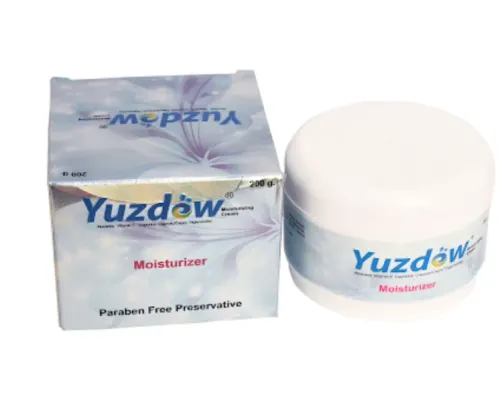
4. Finish with moisturiser, then sunscreen. When comparing a moisturiser from a manufacturer such as Yuzderm Pharmaceuticals Pvt. Ltd., choose a fragrance-free, non-comedogenic formula that does not sting; apply enough to cover the face without rubbing aggressively. Apply two finger-lengths of broad-spectrum sunscreen as the final morning step.
5. Evening: Cleanse again, allow skin to dry fully for 10–20 minutes, then apply a pea-sized amount of topical retinoid across the acne-prone area. Start two nights weekly. Moisturise afterward, or before the retinoid if you are sensitive; wait 1–2 minutes between layers.
Do not begin a retinoid, exfoliating acid, benzoyl peroxide, and pigment lightener together. This skincare routine for acne pigmentation fails when irritation creates more marks.
Related products
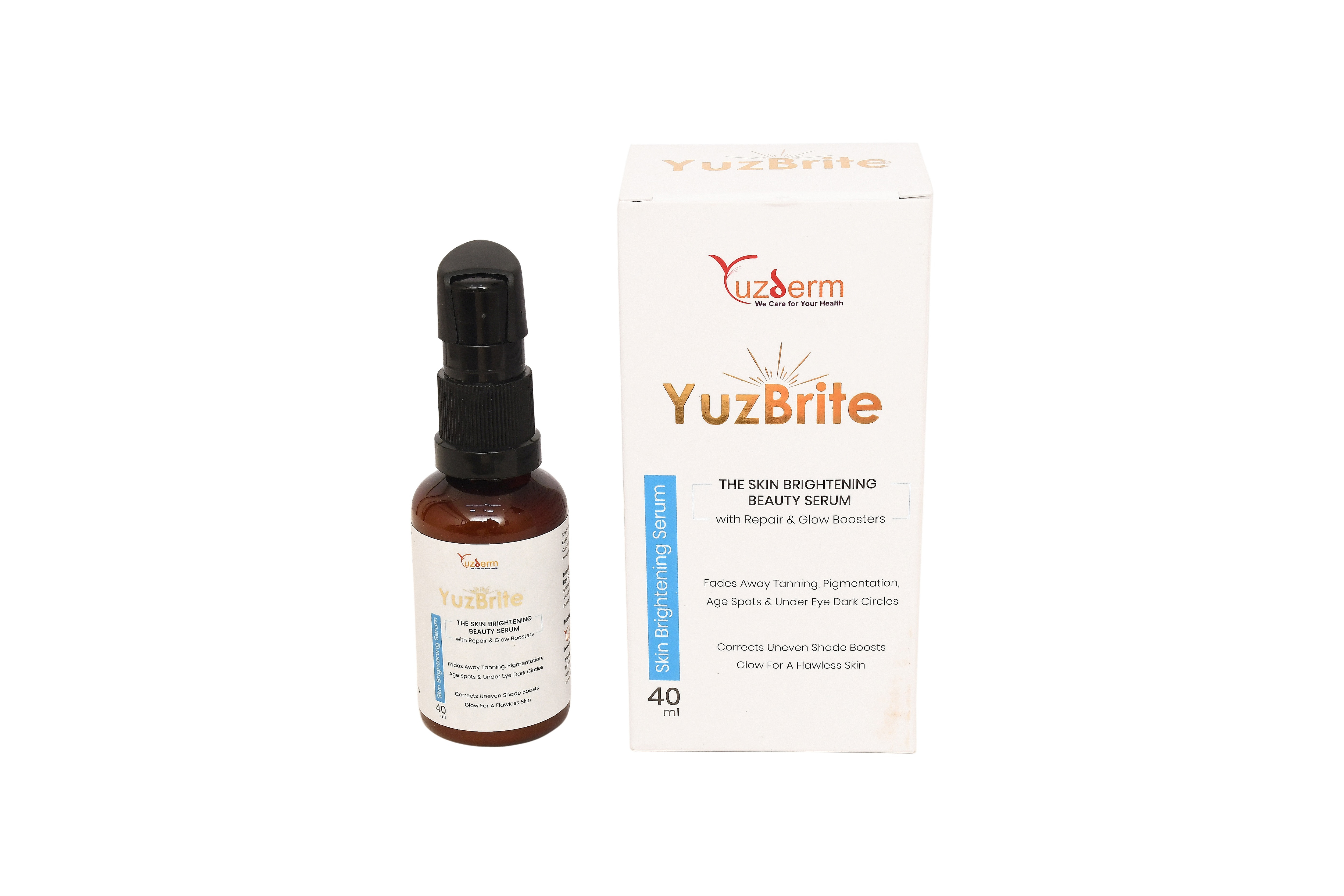 | Skin Care Yuzbrite ₹550 Pigmentation Control: Formulated to fade away tanning, dark spots, and age spots. |
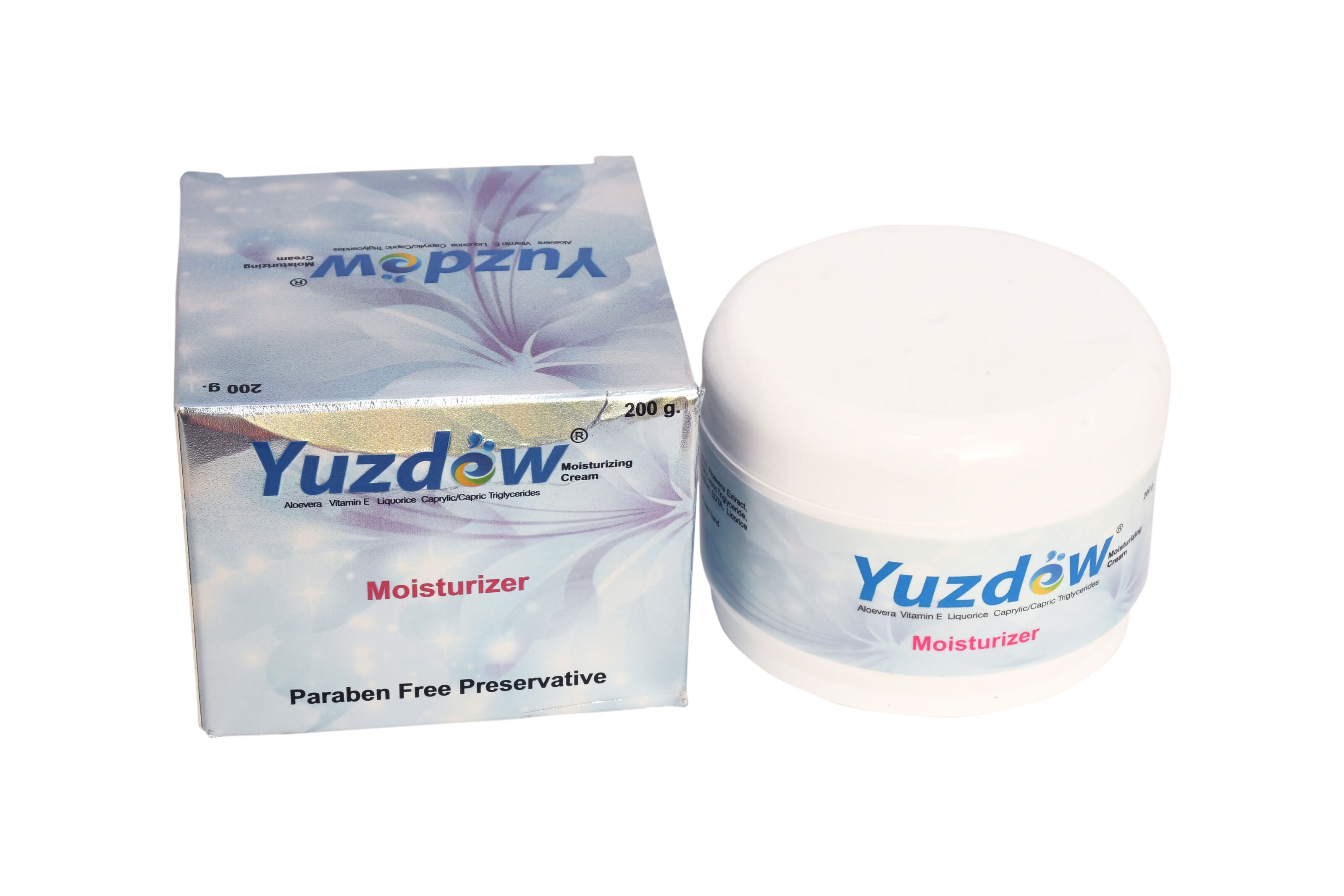 | Skin Care ₹299 Medicated soaps and acne treatments can sometimes be drying. This cream is the “shield” that repairs and protects. View product → |
Use sunscreen as a measured treatment step, not a finishing touch
Use a two-finger amount of sunscreen for your face and neck, applied as the last morning skincare step. If your product label gives a different measured quantity, follow it; under-applying SPF 50 can deliver far less protection than its test result, while a well-tolerated SPF 40 used generously protects better than an abandoned formula.
- Choose broad-spectrum sunscreen, which covers UVB and UVA. SPF measures protection mainly against UVB-driven sunburn, not the complete risk of tanning or pigment darkening. A higher SPF does not permit a thinner layer: SPF 50 still needs the same quantity as SPF 40.
- Check the UVA rating separately. Look for a UVA circle, PA++++, or a stated UVA-PF, depending on the labelling system where you live. This rating indicates UVA protection, which matters for persistent pigmentation and photoageing. Broad-spectrum sunscreen overlap means the product’s UVB and UVA coverage must both be present; SPF alone is not enough.
- Reapply every two hours during outdoor exposure and immediately after swimming, heavy sweating, or towel drying. Reapply sooner if the film has rubbed off.
- Add shade, sunglasses, and a wide-brimmed hat between 10 a.m. and 4 p.m. when sunlight is strong. They reduce exposure that sunscreen cannot fully block.
- For melasma-like pigmentation or recurrent facial marks, choose a tinted sunscreen containing iron oxides. It helps attenuate visible light, especially when applied evenly, whereas an untinted UV product does not provide the same visible-light protection.
Set realistic timelines and know when professional review is needed
Expect at least 8–12 weeks of consistent treatment before judging an acne mark. Brown post-inflammatory hyperpigmentation fades as existing melanin disperses and new pigment production slows; grey-brown marks can take longer. New acne, unprotected light exposure, and irritation repeatedly restart the process, so improvement is not permanent without acne control and daily photoprotection.
| Treatment | Practical expectation | Supervision needed |
|---|---|---|
| Hydroquinone 2–4% | Effective for selected epidermal pigmentation; reassess after a defined course | Yes; prolonged or unsupervised use can cause irritation or ochronosis |
| Cysteamine | An option when hydroquinone is unsuitable; odor and irritation can reduce adherence | Review if irritation persists or results are absent |
| Topical tranexamic acid | Evidence is emerging, with less-standardised regimens than hydroquinone or retinoids | Seek guidance for product choice and diagnosis |
| Oral tranexamic acid | Not interchangeable with topical treatment | Medical screening is required for clotting risk and interacting factors |
| Triple-combination cream | Can combine a retinoid, hydroquinone, and corticosteroid for short-term use | Yes; facial corticosteroids can cause atrophy, visible vessels, acneiform eruptions, and dermatitis |
Arrange a dermatology review if a mark is not improving after a properly tolerated 8–12-week plan, or if the diagnosis is uncertain.
A new, changing, asymmetric, bleeding, crusted, raised, or treatment-resistant lesion is not a cosmetic lightening problem; it could be a lentigo, actinic keratosis, seborrheic keratosis, melasma, or skin cancer and needs examination before treatment.
Frequently asked questions
How can you tell acne pigmentation from an acne scar?
Post-inflammatory hyperpigmentation is flat and brown or grey-brown where an inflamed or picked lesion healed. A scar changes skin texture by creating a depression, raised area, or altered surface.
Why must you control new acne when treating pigmentation?
New breakouts create fresh inflammation, which can trigger additional post-inflammatory hyperpigmentation and slow visible improvement.
How should sunscreen fit into an acne pigmentation routine?
Use broad-spectrum sunscreen every morning as a treatment-supporting step, then reapply during prolonged outdoor exposure to limit light-driven darkening.
When should you seek professional advice for acne pigmentation?
Arrange a dermatology review when marks worsen, do not improve with a tolerable routine, or are accompanied by texture changes, persistent acne, or uncertainty about the diagnosis.
Related products
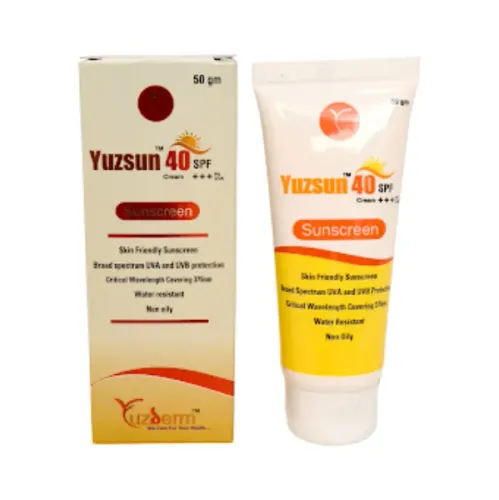
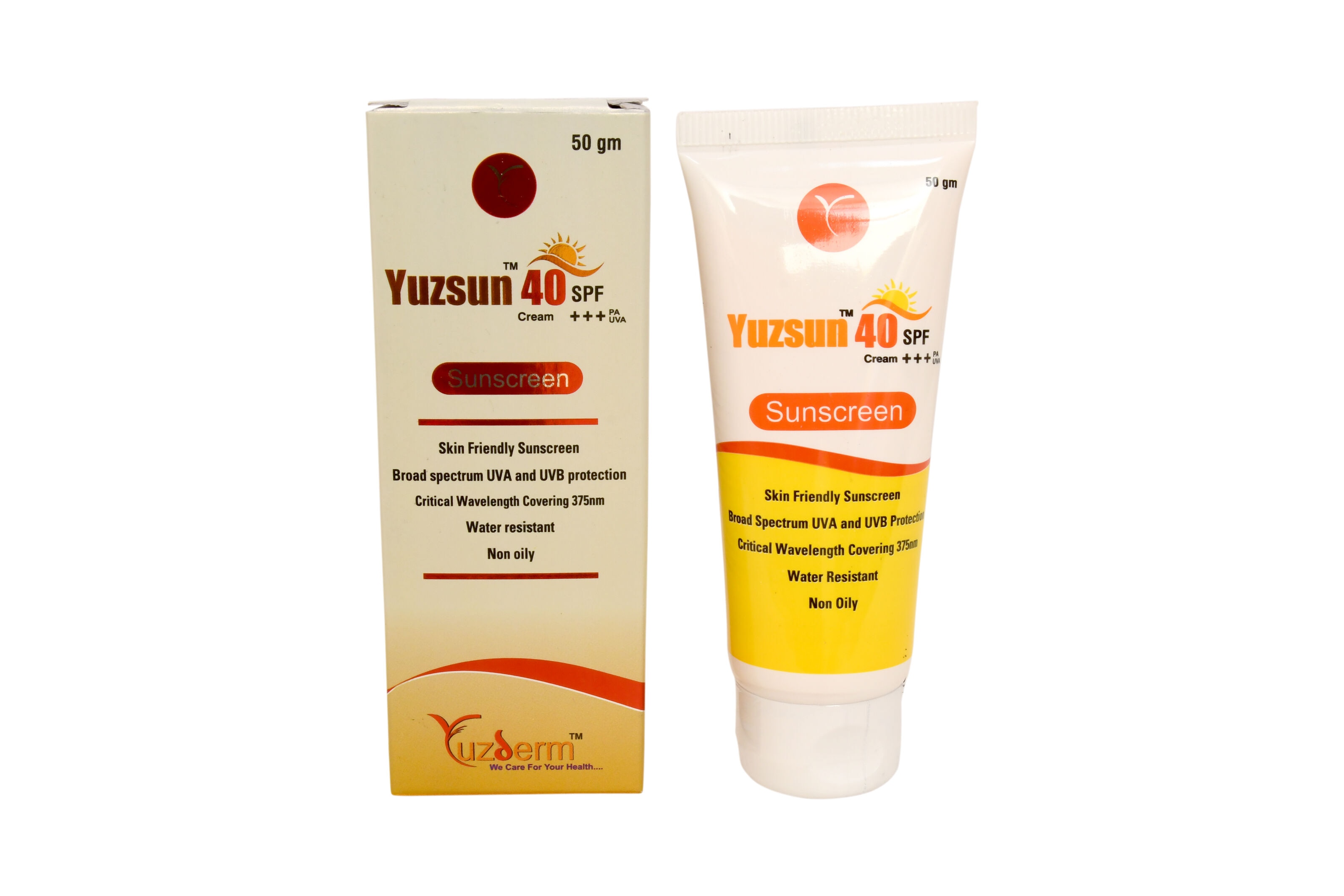 | Skin Care ₹495 SPF Rating: 40 (Sun Protection Factor), which blocks approximately 97.5% of UVB rays—the primary cause of sunburn. PA Rating: PA+++. View product → |
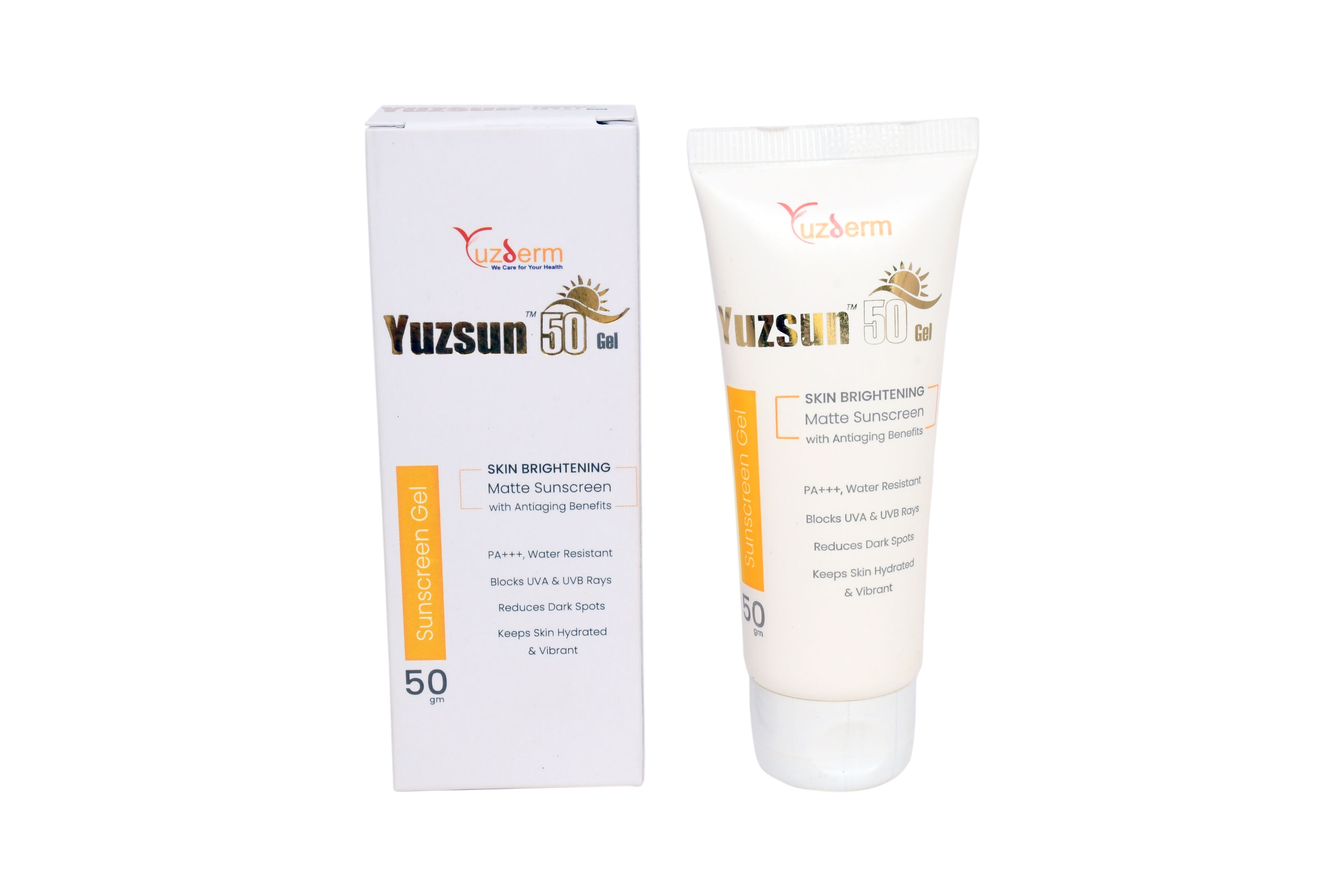 | Skin Care ₹749 Yuzsun 50 Gel is marketed as a Skin Brightening Matte Sunscreen that combines high-level UV protection with cosmetic benefits like anti-aging and... View product → |
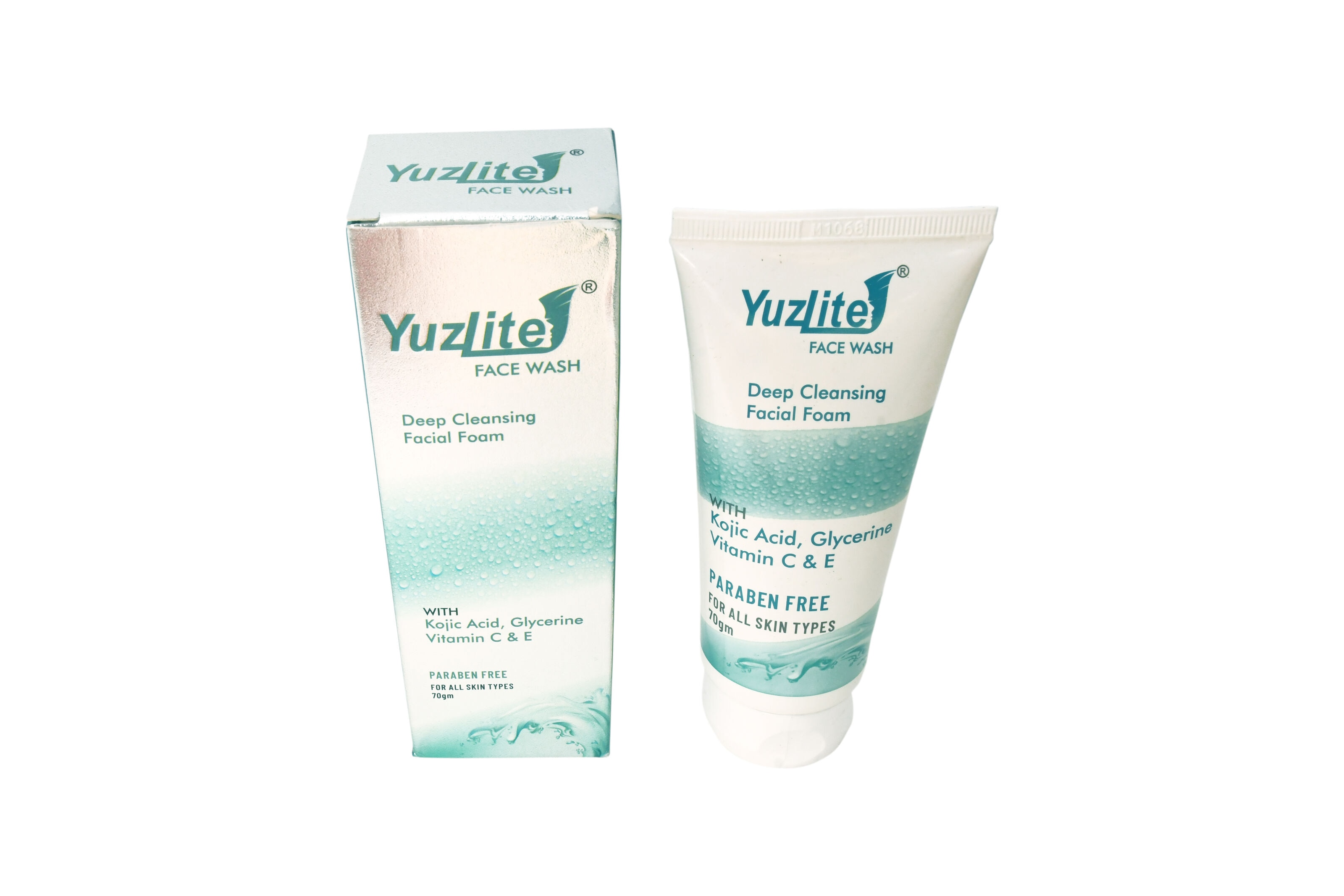 | Skin Care ₹285 Kojic Acid- Improves skin tone Vitamin C - Skin Rejuvenating ,Powerful Antioxidant Vitamin E- Powerful Antioxidant Glycerin-Soothing Effects {Reduces... View product → |