Business logo
HomeAbout
Products
Skin CareTabletHair CareHair Oilhair serumView All
Latest News
Gallery
Photos
Contact
08048036484
HomeAbout
Skin CareTabletHair CareHair Oilhair serumView All
Latest News
Photos
Contact
08048036484
  1. Home>
  2. Latest News

Latest updates

How Skin Brightening Serums Help Manage Dark Spots and Uneven Skin Tone

Dark spots can reflect different processes, from post-acne inflammation and sun exposure to melasma or a deeper pigment disorder, so one brightening ingredient cannot suit every mark. By the end, you will know how to identify the concern, compare active ingredients and formulas, build a tolerable routine, and recognise when pigmentation needs professional assessment.

Key takeaways

  • Identify whether discoloration comes from pigment, blood vessels, or facial shadows.
  • Choose ingredients based on your skin type, sensitivity, and the type of dark spot.
  • Apply sunscreen daily because ultraviolet exposure can maintain excess pigmentation.
  • Stop an irritating serum; persistent or changing spots need professional diagnosis.

What kind of discoloration are you trying to treat?

Start by identifying whether the colour is pigment, blood-vessel colour, or shadow. “Uneven skin tone” is an umbrella term; a serum that reduces excess melanin will not correct every cause.

ConcernWhat it meansWhat to look forDark spotsIndividual brown or grey marks, including solar lentigines and some drug-induced pigmentationLocalised excess melanin; deeper pigment fades more slowlyTanningBroad, fairly even darkening after…
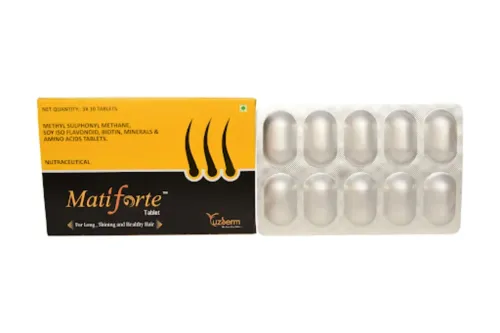
Read updateOct 28th, 2026 5:02 PM

What Are Cosmeceuticals and How Are They Used for Skin and Hair Wellness

A cosmeceutical sits between everyday personal care and medically oriented treatment, but the label alone does not prove that a product works or is regulated as a medicine. By the end, you will know how to classify a product, assess its ingredients and evidence, choose a suitable routine for skin or hair concerns, and recognise when professional care is more appropriate.

Key takeaways

  • The word cosmeceutical does not prove approval, safety, or clinical effectiveness.
  • Match each active ingredient to the concern and the product’s route of use.
  • Check the formula, packaging, evidence, batch details, and directions before buying.
  • Treat hair-fibre conditioning separately from scalp and follicle care.

What “cosmeceutical” means—and what it does not mean

A cosmeceutical is a topical product positioned between beauty care and medicine: it contains biologically active ingredients and promises a measurable skin or hair benefit. That cosmeceutical definition has no single legal status in the United States, so the word itself does not prove clinical effectiveness, safety, or regulatory approval.

Cosmetics versus cosmeceuticals is mainly a positioning distinction, not a universal legal one.

CategoryMain…
Read updateOct 21st, 2026 7:30 PM

How Clinical Beauty Products Fit Into a Daily Skincare Routine

Clinical products work best when their order, frequency and recovery steps are clear. By the end, you will be able to build a morning and evening sequence, introduce active ingredients without losing track of irritation, and identify when a prescription treatment or high-strength serum needs clinician guidance.

Key takeaways

  • Apply treatment before moisturiser, then use sunscreen in the morning.
  • Introduce one active product at a time and patch test new formulas.
  • Use topical clindamycin only under acne-treatment supervision.
  • Choose one pigmentation strategy instead of layering similar brighteners.

Build the morning and evening order around the product’s job

A daily skincare routine works best when each layer has one job: cleanse the surface, apply treatment to dry skin, add moisture, then protect against ultraviolet exposure. The acne treatment gel moisturiser order is treatment first and moisturiser second, not the reverse.

  1. Morning: Use a gentle cleanser, pat dry, apply vitamin C serum, then moisturiser. Finish with broad-spectrum sunscreen rated SPF 30 or higher. Apply enough to cover the face and reapply at least every two hours outdoors, after swimming or heavy sweating.
  2. Evening: Cleanse…
Read updateOct 20th, 2026 1:30 PM

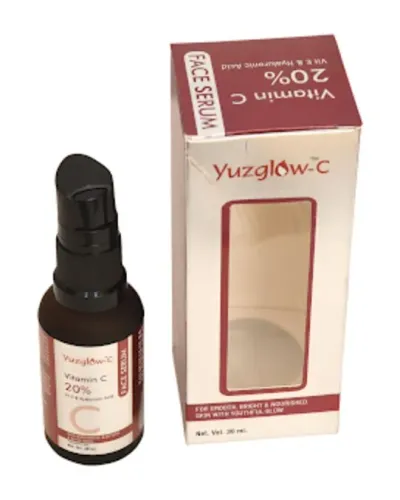
Vitamin C Serum Benefits for Pigmentation Dullness and Uneven Skin Tone

A vitamin C serum can improve antioxidant protection and surface brightness, but fading post-inflammatory pigmentation takes consistent use, trigger control, and time. By the end, you will know which vitamin C form and formula details to compare, how to apply it without unnecessary irritation, and when sunscreen or a more targeted pigment treatment matters more.

Key takeaways

  • Choose L-ascorbic acid at 10–20% in an opaque, airtight package.
  • Apply vitamin C to dry skin before moisturiser and sunscreen.
  • Start every other morning if your skin is sensitive or reactive.
  • Use broad-spectrum SPF 30 or higher to protect pigmentation results.

What can vitamin C actually improve in pigmentation and dull skin?

Topical vitamin C can brighten dull skin, but it does not scrub pigment away. L-ascorbic acid reduces oxidized melanin intermediates and interferes with tyrosinase-dependent melanogenesis, the enzyme pathway involved in new melanin production. Its antioxidant action supports a brighter-looking surface, creating several vitamin C serum benefits without acting like an instant exfoliant.

Surface dullness may look better before pigmentation changes. A subtle freshening effect can appear after…

Read updateOct 19th, 2026 9:30 AM

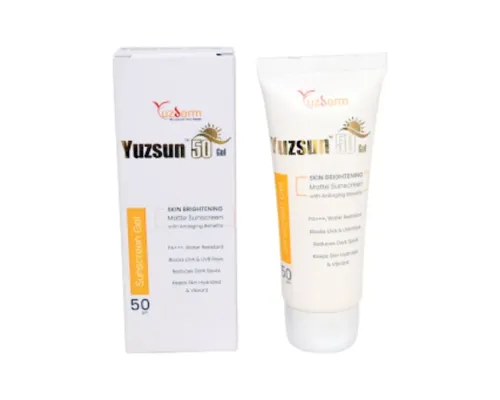
Why Skin Brightening Matte Sunscreen Is Useful for Daily Sun Protection

A sunscreen can offer strong labelled protection yet remain a poor daily choice if it feels greasy, pills under makeup, leaves an obvious cast, or encourages you to apply too little. By the end, you will know how to judge a matte finish, apply the correct amount, interpret SPF and UVA claims, and understand what “brightening” can realistically do for tanning and uneven tone.

Key takeaways

  • Apply two finger lengths of sunscreen to your face and neck.
  • Use broad-spectrum SPF 30 or higher with UVA protection every morning.
  • Reapply after sweating, swimming, or prolonged outdoor exposure.
  • Choose a matte formula that suits your skin type and does not pill.

What a Matte Finish Changes in Daily Sunscreen Use

Matte sunscreen leaves less surface reflection, so your face looks less shiny and feels less oily after application. It is not necessarily powder-dry: the finish can range from soft and natural to distinctly dry-touch. Absorbent powders or particles reduce the slick film that makes some sunscreens uncomfortable.

That change matters because comfort affects whether you apply sunscreen every morning and use enough of it. Oily skin sunscreen formulae can control the greasy feel that prompts users…

Read updateOct 17th, 2026 12:30 PM

How to Choose a Hair Shampoo for Damaged Hair and Scalp Care

A shampoo choice becomes easier when you separate two problems: damage in the hair shaft and a condition affecting the scalp. By the end, you will be able to assess both, compare cleansing and conditioning ingredients, choose a washing method, and recognise when a cosmetic shampoo is not enough.

Key takeaways

  • Inspect your scalp and hair lengths separately before choosing a shampoo.
  • Use a scalp-matched shampoo and keep rough washing away from damaged lengths.
  • Compare formulas by cleansing, conditioning, and treatment functions—not one headline ingredient.
  • Choose anti-dandruff shampoo or dermatology care when flakes, itching, or redness persist.

First decide whether the problem is in your hair, your scalp, or both

A problem limited to the hair shaft points to damaged hair; itching, redness, pain, or persistent flakes point to the scalp. You can have both, so inspect the skin and lengths separately before choosing a shampoo.

  • Check the lengths for split ends, rough texture and tangling, raised-feeling cuticles, increased porosity, loss of elasticity, and short broken hairs. Bleaching, colouring, straightening, frequent heat styling, and tight hairstyles strengthen the case for shaft damage.
  • Che…
Read updateOct 16th, 2026 8:30 AM

Hair Care Solutions for Hair Fall Weak Hair and Scalp Health

Hair in the brush can reflect normal shedding, temporary telogen effluvium, follicle miniaturization, scalp disease, or simple shaft breakage. You will be able to identify the pattern, recognise when medical assessment matters, and build a routine that separates evidence-based treatment from cosmetic conditioning and unsupported supplement claims.

Key takeaways

  • See a dermatologist for visible thinning, recession, widening parts, or shedding beyond two months.
  • Match diffuse shedding, patterned loss, and scalp symptoms to different likely causes.
  • Use oil, serum, shampoo, and conditioner for specific roles—not as substitutes for diagnosis.
  • Patch-test new formulas and stop products that cause burning, redness, or persistent itching.

When Hair Shedding Is Normal—and When It Needs a Dermatologist

Normal daily hair shedding varies with washing frequency, hair length, hairstyle, and baseline density, so counting hairs in the drain is not a reliable universal test. Routine shedding becomes concerning when your part widens, the hairline recedes, density visibly drops, or excessive hair fall continues beyond two to three months.

Seek a dermatologist promptly if you notice:

  • Sudden or progressive…
Read updateOct 15th, 2026 10:07 AM

Skin Elasticity and Wrinkles How Collagen Changes With Age

Collagen production slows after early adulthood, while ultraviolet exposure, altered elastin, glycation, and changes in skin structure make wrinkles deeper and elasticity poorer. You will learn how to judge these changes, compare collagen products, use vitamin C safely, and build a routine that addresses prevention as well as visible ageing.

Key takeaways

  • Collagen production declines with age, but wrinkles involve more than collagen loss.
  • Treat sunscreen as the foundation of any wrinkle and elasticity routine.
  • Collagen supplements may offer modest skin benefits, not a reversal of ageing.
  • Use topical vitamin C consistently and protect it from light and air.

Why ageing skin makes less effective collagen

Ageing alters both the amount and the performance of dermal collagen. Collagen production declines by about 1% per year after early adulthood; in one human study, fibroblast collagen synthesis in women aged 80–89 was about 68% lower than in women aged 18–29.

Inside the ageing dermis, three linked changes weaken its support structure:

  • Fibroblast activity slows, so fibroblasts produce less new collagen and respond less effectively to signals from the surrounding matrix.
  • Collagen fragmentation…
Read updateOct 14th, 2026 5:30 PM

How Nutraceutical Supplements Support Skin Hair and Nail Wellness

Skin, hair, and nail concerns can reflect inadequate protein, vitamin or mineral deficiencies, chronic disease, medication effects, or conditions that supplements cannot treat. By matching a nutrient to a documented need, checking the evidence and label, and allowing enough time for growth, you can decide whether a nutraceutical is sensible or whether clinical care is the better next step.

Key takeaways

  • Absorbed nutrients support tissue processes through the bloodstream.
  • Match supplements to a documented deficiency or a specific concern.
  • Compare nutrient forms, doses, serving sizes, and third-party testing.
  • Seek a diagnosis for sudden, severe, or persistent changes.

How oral nutrients reach skin, hair, and nails

Nutraceuticals for skin, hair, and nails work through the bloodstream, not by sending a capsule directly to a visible problem. After digestion, absorbed amino acids and micronutrients enter tissues and support protein synthesis, collagen formation, antioxidant defence, keratin production, and nutrient-dependent cell division.

  • Amino acids provide building material for structural proteins in skin, hair fibres, and nail plates.
  • Vitamin C supports collagen formation and also…
Read updateOct 13th, 2026 7:31 PM

Common Fungal and Yeast Skin Infections and How They Are Managed

A ring-shaped rash, peeling between the toes, an itchy skin fold, or pale patches on the trunk can come from different organisms and require different treatment. You will learn how to recognise the main patterns, confirm an uncertain diagnosis, use topical treatment correctly, and identify when persistent or severe disease needs medical review.

Key takeaways

  • Rash location and edge pattern suggest an infection but do not confirm its cause.
  • Avoid steroid-antifungal combinations unless a clinician specifically prescribes them.
  • Apply topical antifungal medicine to clean, dry skin for the full directed course.
  • Seek clinical advice for scalp, nail, widespread, recurrent, or treatment-resistant infections.

Which rash pattern points to which infection?

Location and surface pattern usually provide the first clue, but they do not prove the diagnosis. Dermatophytes feed on keratin, while Candida and Malassezia are yeasts; an anti-inflammatory cream can hide a dermatophyte rash and create tinea incognito.

PatternLikely conditionDistinguishing featuresTinea corporisRingwormExpanding, scaly ring with a sharper raised edge and clearer centre on the trunk or limbs.Tinea pedis (athlete’s foot)Dermatophyte…
Read updateOct 12th, 2026 12:32 PM
Page 1 out of 6

Subscribe to our newsletter

Get in touch

yuzderm@gmail.com08048036484118, 1st, Floor East West Industrial Center Andheri Kurla Road, Safed Pool Sakinaka, Andheri East, Mumbai, 400072, India
Opens Tomorrow at 09:00 AM
Sun: Closed
Mon–Sat: 09:00 AM – 06:30 PM

Reach us on

Top products categories

  • Skin Care
  • Tablet
  • Hair Care
  • Hair Oil
  • hair serum

Recent keywords

  • dailysupplements
  • antioxidantboost
  • immunitybooster
  • sugarfreehealth
  • glowfromwithin
  • beautysupplements

Quick Links

  • About
  • Updates
  • Gallery
  • Contact
YuzdermPharmaceuticalsPvt.Ltd.

© 2026 Yuzderm Pharmaceuticals Pvt. Ltd. • All Rights Reserved

Sitemap
HomeProducts
Business logo
  • About
  • Latest News
    • Photos
  • Contact
yuzderm@gmail.com08048036484118, 1st, Floor East West Industrial Center Andheri Kurla Road, Safed Pool Sakinaka, Andheri East Mumbai India 400072
Business logo