A dark mark is not automatically a sunspot, and treating the wrong cause can prolong discoloration or trigger more pigment through irritation. By the end, you will be able to identify the likely type of pigmentation, build a daily routine, compare treatment options, and judge whether a product has enough evidence and usable instructions to earn a place in that routine.
Key takeaways
- Identify the trigger and pattern before selecting a pigmentation treatment.
- Use broad-spectrum SPF 30 or higher daily to prevent new darkening.
- Compare active ingredients, concentrations, formats, and usage instructions before buying.
- Seek medical care for changing, bleeding, painful, or persistent pigmented lesions.
Identify the kind of pigmentation before choosing a treatment
Do not treat every dark spot as the same problem. Examine its pattern, trigger, location, and persistence in consistent daylight; uneven lighting, recent tanning, or active dermatitis can make pigment look better or worse than it is.
| Type | Typical appearance | Clues that distinguish it |
|---|---|---|
| Tanning | A fairly even brown cast across exposed skin | Follows sun exposure, affects broad areas, and gradually lightens after strict protection. |
| Post-inflammatory hyperpigmentation (PIH) | Brown to grey-brown marks where acne, eczema, burns, friction, or irritation occurred | Each mark follows an earlier lesion or injury; ongoing inflammation or rubbing creates new pigment. |
| Melasma | Symmetrical, patchy brown or grey-brown areas on the cheeks, forehead, upper lip, or jaw | Often fluctuates with sunlight, visible light, heat, or hormonal changes; it is not usually one isolated spot. |
| Solar lentigines | Flat, sharply outlined tan-to-brown spots | Occur on repeatedly sun-exposed sites such as the face, hands, shoulders, and chest, and persist rather than fading like a tan. |
| Freckles | Numerous small, light-brown spots | Commonly begin early in life, darken after sun exposure, and become less visible when exposure falls. |
| Under-eye darkness | Brown pigmentation, blue-purple vascular colour, or a shadow beneath the eye | Brown colour may be pigment; blue-purple colour, thin skin, hollowness, or puffiness creates a different target. |
Photographs taken in the same place and light are more useful than a two-week product test. A dermatologist should assess rapidly changing, bleeding, painful, one-sided, or uncertain marks.
Build a routine that prevents new pigment while treating existing marks
Use a gentle cleanser and moisturiser in the morning, then finish with broad-spectrum sunscreen. Choose SPF 30 or higher with separate UVA and UVB protection; for melasma or post-inflammatory hyperpigmentation, select a tinted formula containing iron oxides to reduce exposure to visible light.
- Morning: cleanse, apply a well-tolerated pigment treatment if prescribed or labelled for daytime use, moisturise, then apply sunscreen as the final step.
- Evening: cleanse, apply your leave-on treatment to completely dry skin, and moisturise. Treat acne, eczema, friction, or stinging at the same time; ongoing inflammation can create new marks faster than a brightening product removes old ones.
- Kojic acid: begin every other evening, using a thin, pea-sized amount for the entire affected facial area rather than repeatedly coating one spot. Increase only if your skin remains comfortable and the product instructions allow it.
Use about 2 milligrams of sunscreen per square centimetre: roughly two finger-length strips for the face and neck, including the ears. A smaller dab gives a lower real-world SPF than the label promises. Reapply every two hours during outdoor exposure and after sweating, swimming, or towel drying.
Keep the routine unchanged for at least 8–12 weeks unless burning, swelling, persistent redness, scaling, or worsening discoloration develops. Irritation is not evidence that a treatment is working; reduce frequency or stop and address the reaction.
Check a pigmentation product’s formula, format, and instructions
A suitable product has a clear active, believable evidence, usable instructions, and a format that keeps the ingredient on skin long enough to work. A cleanser such as Yuzlite Facewash is rinsed away, so do not judge it by the same standard as a leave-on pigmentation treatment.
Creams and gels need stronger evidence for delivered concentration and consistent contact time.
1. Read the active and concentration. Kojic acid, niacinamide, azelaic acid, or tranexamic acid should be named clearly, not hidden behind “brightening blend.” Prefer human clinical evidence over laboratory enzyme-inhibition claims; results depend on stability, penetration, exposure time, and sunscreen use.
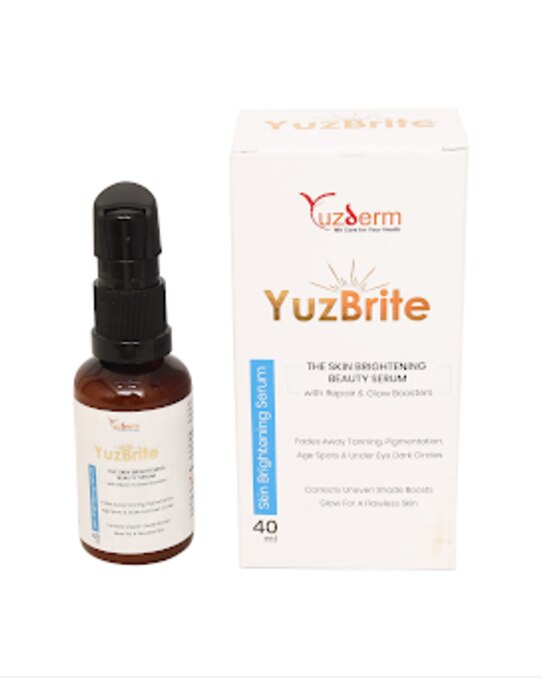
2. Check directions against the format. Confirm how much to apply, whether to use it once or twice daily, where to avoid it, and whether patch testing is advised. If you are considering Yuzbrite, follow its actual pack directions rather than assuming every cream or gel is interchangeable.
3. Separate cosmetic claims from treatment claims. “Brightening” does not establish treatment for melasma or diagnosed hyperpigmentation. Check the market-specific status of hydroquinone, its concentration, expiry date, storage instructions, batch number, and packaging.
4. Look for irritation risks. Retinoids, acids, hydroquinone, benzoyl peroxide, and peel systems can trigger inflammation that deepens marks. Stop after persistent burning, swelling, or worsening redness.
Yuzderm Pharmaceuticals Pvt. Ltd. illustrates why format matters: compare a rinse-off cleanser with a leave-on product by intended contact time, not by the number of ingredients printed on the label. If a cream darkens visibly, treat that as a possible stability problem, not increased potency.
Related products
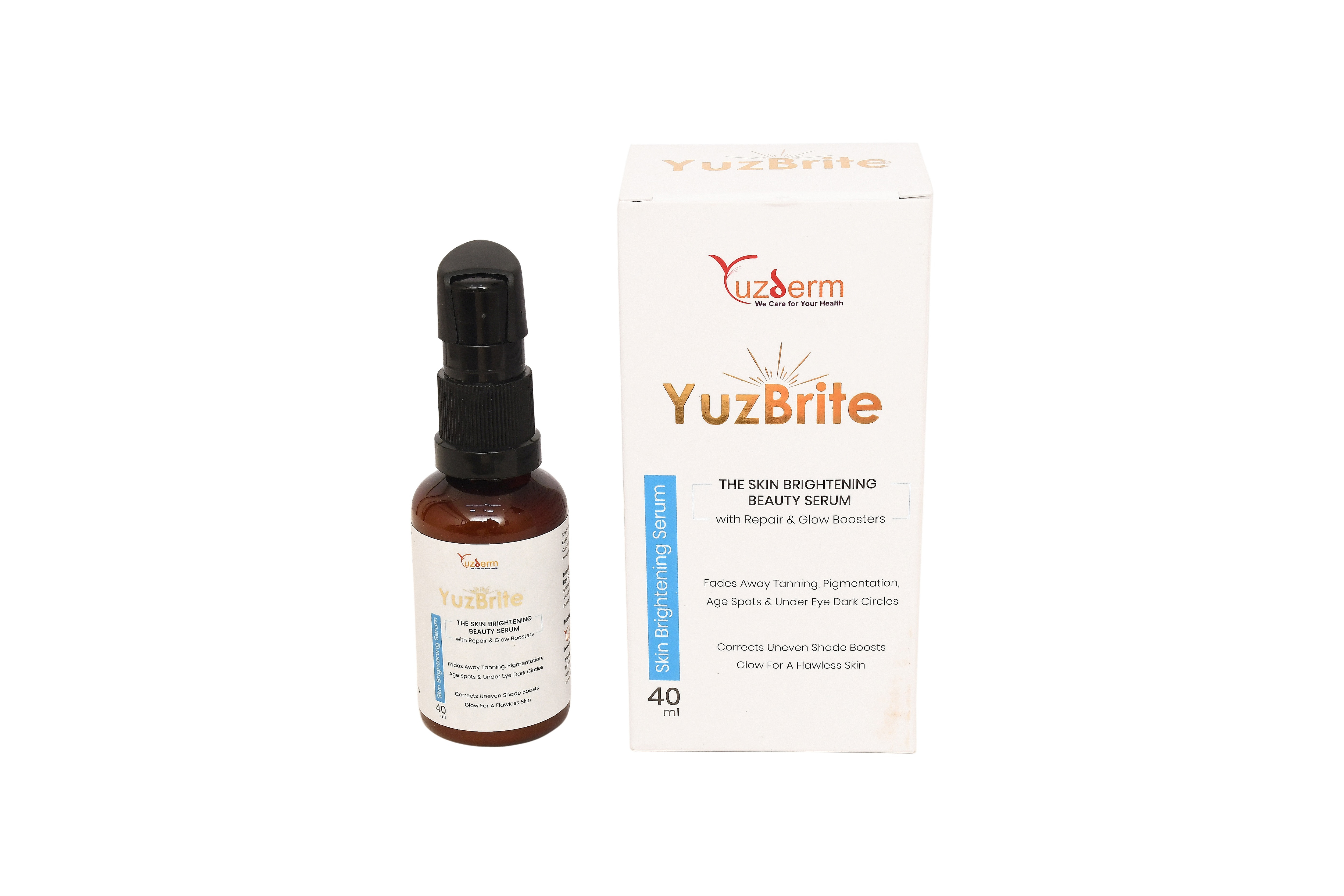 | Skin Care Yuzbrite ₹550 Pigmentation Control: Formulated to fade away tanning, dark spots, and age spots. |
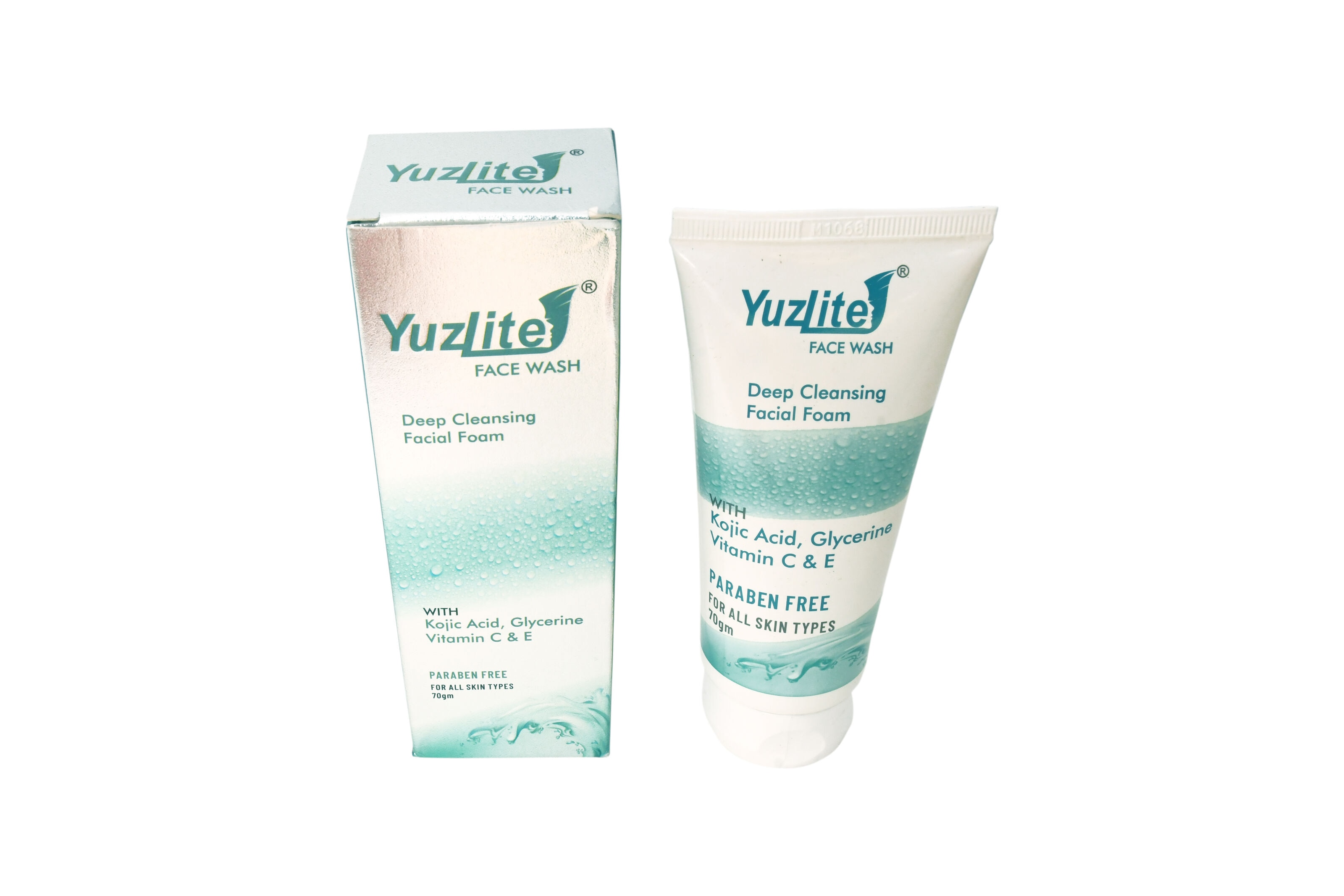 | Skin Care ₹285 Kojic Acid- Improves skin tone Vitamin C - Skin Rejuvenating ,Powerful Antioxidant Vitamin E- Powerful Antioxidant Glycerin-Soothing Effects {Reduces... View product → |
Compare brightening actives with prescription and in-clinic options
A sensible starting point is the least irritating option that matches the diagnosis. A stronger treatment is not automatically better: irritation can trigger more post-inflammatory hyperpigmentation, especially in deeper skin tones.
| Option | Purpose and relative strength | Main risks and expected timeline |
|---|---|---|
| Niacinamide 2–5% | Reduces melanosome transfer; useful for maintenance and combination routines | Low irritation; tone-evening usually takes several weeks |
| Azelaic acid, commonly 20% | Useful for acne, inflammation, and post-inflammatory marks; gradual, sometimes comparable with 4% hydroquinone | Stinging, dryness, or scaling; assess over 8–12 weeks |
| Topical tranexamic acid 2–5% | Targets signalling involved in melasma and UV-related pigmentation | Topical evidence does not equal oral treatment; improvement takes weeks to months. Oral tranexamic acid needs medical screening for clotting risk |
| Cysteamine 5% | Non-hydroquinone option for facial hyperpigmentation | Sulfur-like odour and irritation can reduce adherence; expect gradual improvement over weeks to months |
| Prescription retinoids | Increase cell turnover and improve penetration; useful alone or with other agents | Peeling, dryness, and sun sensitivity; visible change often takes 8–12 weeks |
| Hydroquinone 2–4% | Reference topical depigmenting treatment; stronger and faster than cosmetic brighteners | Irritation and rare, difficult-to-reverse ochronosis with prolonged unsupervised use |
| Peels | Clinician-applied acids remove superficial pigmented layers | Burns and rebound pigmentation; usually require several sessions |
| Lasers | Target selected lentigines or resistant pigment with the highest procedural intensity | Post-treatment pigment change and recurrence; results require careful selection and one or more sessions |
For melasma, dermatologists may prescribe fluocinolone acetonide 0.01%, hydroquinone 4%, and tretinoin 0.05% together for a time-limited course, not indefinite maintenance.
Set a review point and know when pigmentation needs medical care
Assess a consistent regimen for 8 to 12 weeks before deciding that it has failed, unless your skin reacts sooner. Take photos in the same light every two weeks; daily mirror checks make gradual improvement difficult to judge.
Stop the active and reassess if you develop:
- Burning that persists, marked redness, swelling, cracking, or painful peeling
- New clusters of darker patches after stinging or dermatitis
- Worsening acneiform bumps or visible thinning with a corticosteroid-containing product
- A cream that turns yellow-brown, separates, changes smell, or alters texture
A visibly darkening hydroquinone product can reflect oxidation and reduced active content, not greater potency. Do not keep using it because the colour looks “stronger.” A lower-irritancy routine used consistently often beats a stronger formula that repeatedly causes skin irritation.
Arrange a dermatologist review if pigmentation appears suddenly, changes shape or colour, bleeds, itches persistently, or affects only one unusual spot. Seek an assessment when the diagnosis is uncertain, melasma keeps spreading despite sun protection, or there is no meaningful improvement after 8 to 12 weeks.
A dermatologist can distinguish melasma from another pigment disorder and supervise prescription treatment.
Hydroquinone and a triple combination containing fluocinolone acetonide, hydroquinone, and tretinoin need defined courses, not indefinite use. Long, unsupervised exposure raises the risk of dermatitis, steroid damage, and blue-black or gray-brown exogenous ochronosis.
Frequently asked questions
How can you identify the type of pigmentation before choosing treatment?
Assess the spot’s pattern, trigger, location, and persistence in consistent daylight. Recent tanning, acne or injury, hormonal changes, and active dermatitis point to different treatment needs.
What routine helps prevent new pigmentation while treating existing marks?
Use broad-spectrum sunscreen with SPF 30 or higher every day, reapply during prolonged outdoor exposure, and control irritation. Add a suitable brightening active gradually rather than layering several irritating products.
What should you check in a pigmentation product?
Check the active ingredients, stated concentration, product format, expiry date, batch number, seal, storage instructions, patch-test guidance, and directions for frequency and contact time.
How do brightening products compare with prescription and in-clinic treatments?
Over-the-counter actives suit gradual treatment of mild, stable pigmentation. Prescription medicines and procedures such as chemical peels or lasers require professional assessment because irritation, rebound pigmentation, and incorrect diagnosis can worsen marks.
When should pigmentation receive medical care?
Arrange an assessment for a new or changing lesion, irregular borders, multiple colours, bleeding, crusting, pain, rapid growth, or pigmentation that persists despite consistent care.
Related products
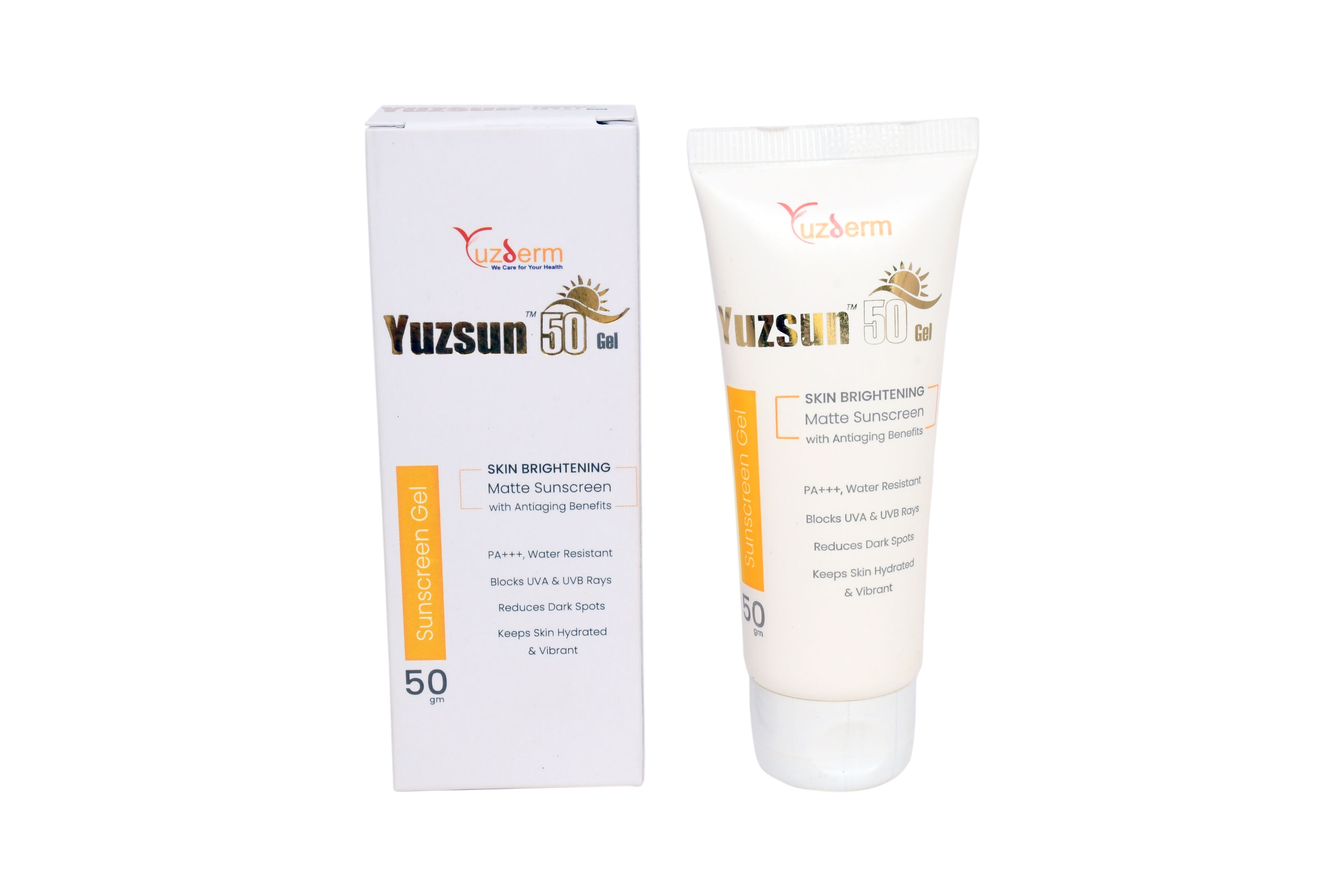 | Skin Care ₹749 Yuzsun 50 Gel is marketed as a Skin Brightening Matte Sunscreen that combines high-level UV protection with cosmetic benefits like anti-aging and... View product → |
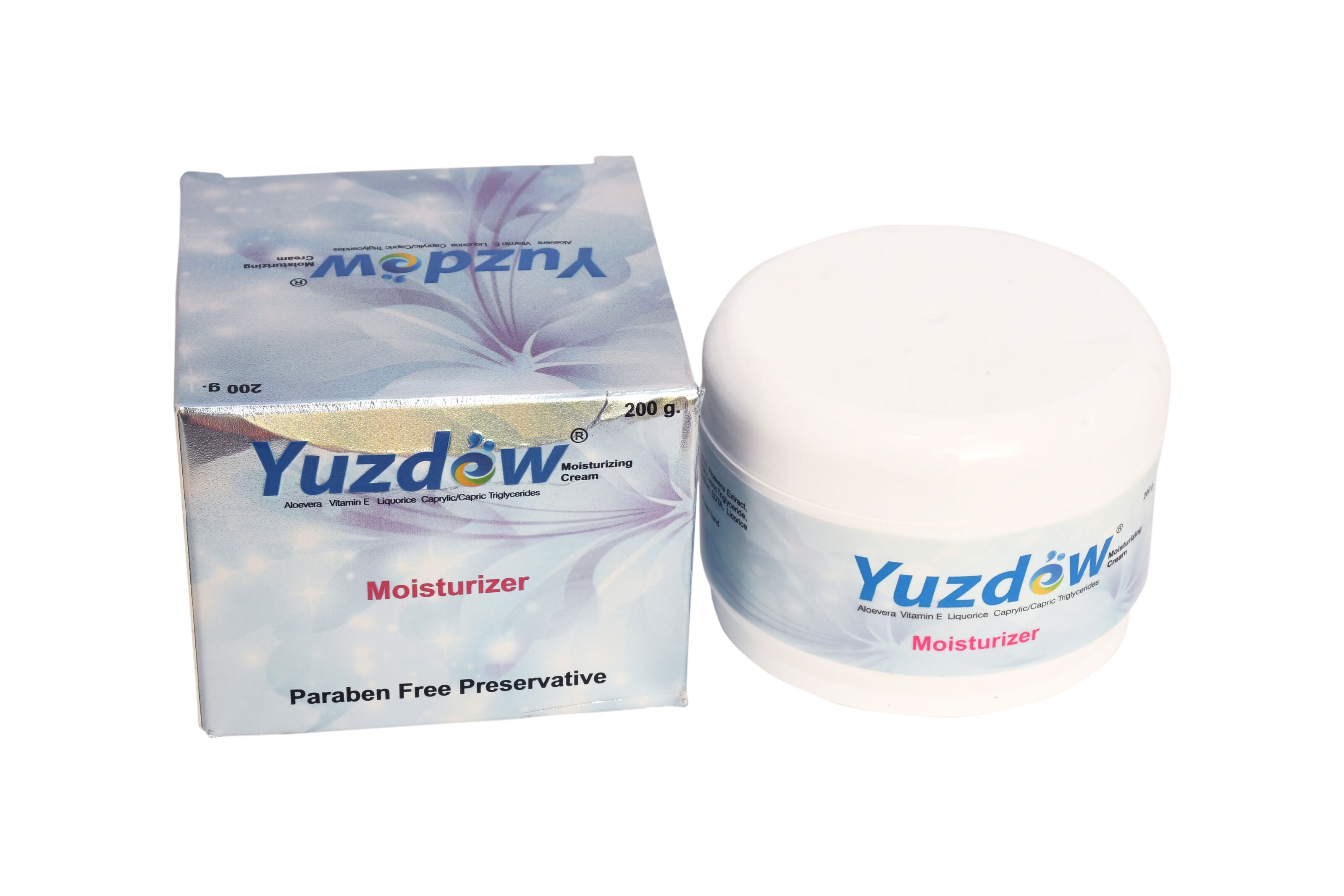 | Skin Care ₹299 Medicated soaps and acne treatments can sometimes be drying. This cream is the “shield” that repairs and protects. View product → |
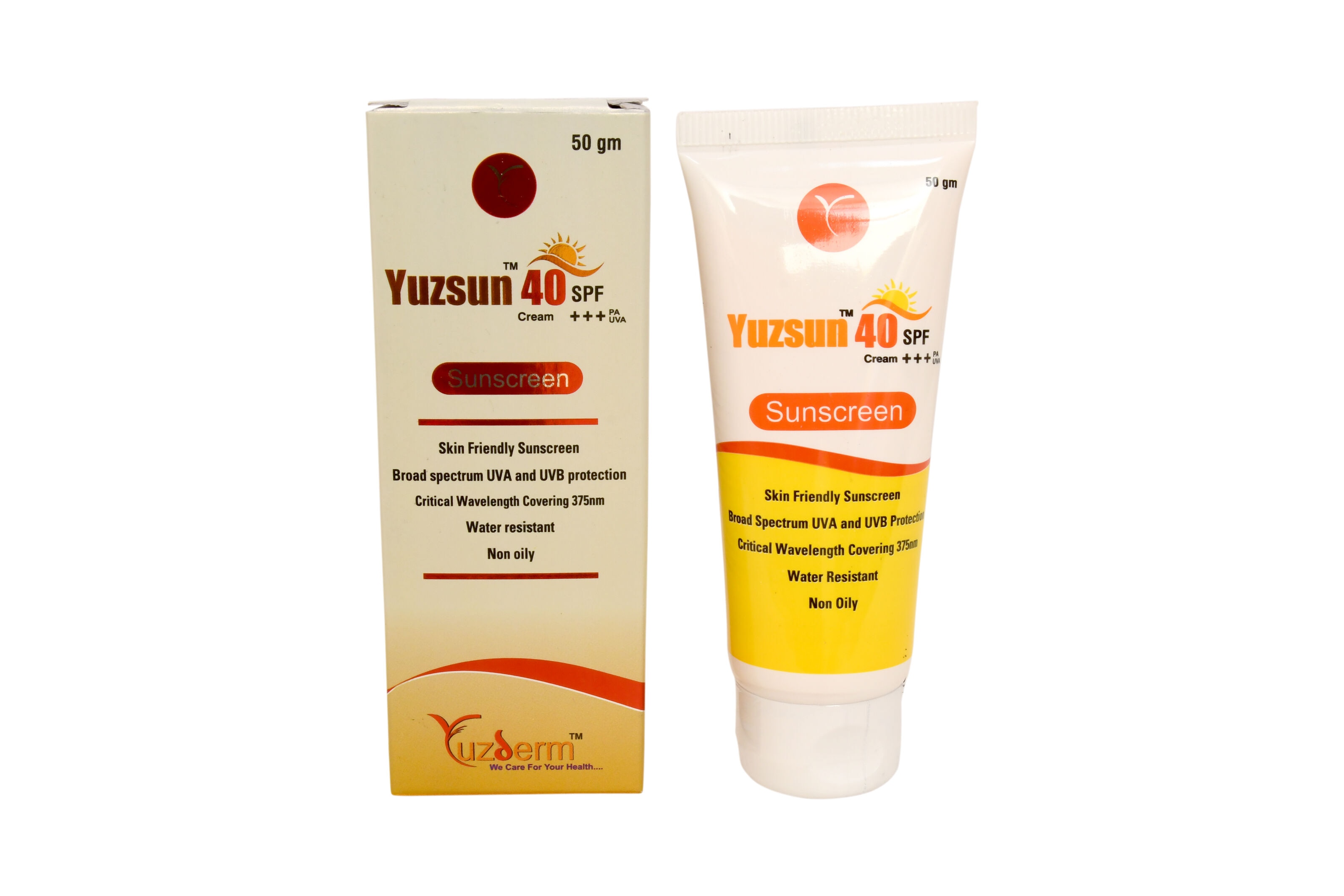 | Skin Care ₹495 SPF Rating: 40 (Sun Protection Factor), which blocks approximately 97.5% of UVB rays—the primary cause of sunburn. PA Rating: PA+++. View product → |