A ring-shaped rash, peeling between the toes, an itchy skin fold, or pale patches on the trunk can come from different organisms and require different treatment. You will learn how to recognise the main patterns, confirm an uncertain diagnosis, use topical treatment correctly, and identify when persistent or severe disease needs medical review.
Key takeaways
- Rash location and edge pattern suggest an infection but do not confirm its cause.
- Avoid steroid-antifungal combinations unless a clinician specifically prescribes them.
- Apply topical antifungal medicine to clean, dry skin for the full directed course.
- Seek clinical advice for scalp, nail, widespread, recurrent, or treatment-resistant infections.
Which rash pattern points to which infection?
Location and surface pattern usually provide the first clue, but they do not prove the diagnosis. Dermatophytes feed on keratin, while Candida and Malassezia are yeasts; an anti-inflammatory cream can hide a dermatophyte rash and create tinea incognito.
| Pattern | Likely condition | Distinguishing features |
|---|---|---|
| Tinea corporis | Ringworm | Expanding, scaly ring with a sharper raised edge and clearer centre on the trunk or limbs. |
| Tinea pedis (athlete’s foot) | Dermatophyte infection | Interdigital scaling and maceration between toes; moccasin disease causes dry scale over the soles and sides, while vesiculobullous disease causes small itchy blisters. |
| Tinea cruris (jock itch) | Dermatophyte infection | Itchy, scaly groin plaques with an advancing border; the scrotum is usually spared. |
| Candidal intertrigo | Candida in skin folds | Moist, bright-red soreness in the groin, armpits, or under breasts, often with small “satellite” spots beyond the main rash. |
| Pityriasis versicolor | Malassezia | Multiple lighter or darker finely scaling patches on the chest, back, neck, or upper arms; pigment can remain abnormal after clearance. |
| Seborrhoeic dermatitis | Malassezia-related inflammation | Greasy scale and redness on the scalp, eyebrows, sides of the nose, ears, or beard area. |
| Inflammatory conditions | Eczema or psoriasis | Eczema often cracks or weeps; psoriasis has thicker, sharply defined plaques and is not confined to warm, moist areas. |
A potassium hydroxide scraping can show septate hyphae from dermatophytes or budding yeast and pseudohyphae from Candida. Recurrent, extensive, facial, scalp, nail, or treatment-resistant rashes need clinical assessment rather than repeated steroid-antifungal combinations.
When does a skin infection need testing or a clinician?
A classic, limited rash with a clear pattern can be managed after visual inspection, especially when it improves on the prescribed topical course. Seek assessment instead if the face or scalp is involved, disease is widespread, painful, draining pus, accompanied by fever, recurrent, or unchanged after appropriate treatment.
Ask a dermatologist about testing when:
- A skin-fold eruption is atypical or inflamed: potassium hydroxide microscopy from a skin scraping can separate Candida from inflammatory mimics. A KOH preparation may show budding yeast and pseudohyphae, while dermatophytes produce septate hyphae.
- The diagnosis is uncertain, recurrent, extensive, or treatment-resistant: fungal culture can identify the organism and guide treatment. This matters when terbinafine resistance or an incorrect diagnosis is possible.
- Scalp scaling, broken hairs, or patches of hair loss suggest tinea capitis: hair shafts and scalp scrapings need fungal microscopy and culture because topical treatment does not reliably reach infected hair.
- A thick, discoloured, or crumbling nail suggests onychomycosis: confirm it with potassium hydroxide microscopy, fungal culture, or periodic-acid–Schiff staining before prolonged oral treatment.
- Nail or hair findings remain unclear: dermoscopy can reveal supportive structural clues, but it does not replace laboratory confirmation.
Testing prevents months of treating psoriasis, trauma, eczema, or bacterial disease as fungus. A negative initial sample also warrants reassessment rather than automatic treatment escalation.
How to use topical antifungal treatment without undermining it
Apply a topical antifungal to clean and dry skin, not to damp skin trapped under clothing. Moisture dilutes the product and helps fungi persist.
- Wash the area gently, rinse, and pat it completely dry. Use a separate towel for the affected area, and finish with hand washing.
- Spread a thin layer over the rash, the rash margins, and a small area of normal-looking surrounding skin. Do not stop at the visible redness; fungal growth can extend beyond it.
- Follow the prescribed schedule and treatment duration on the label. For uncomplicated tinea corporis or tinea cruris, terbinafine commonly takes about 1 week, while azoles commonly take 2–4 weeks. Tinea pedis often needs a site-specific schedule. Do not stop only because redness or itching improves.
- Apply a missed dose when you remember unless the next dose is near; then skip it. Do not apply extra product to compensate.
- Judge progress by reduced itch, scaling, spread, and new lesions. Some symptom relief should appear during the expected course; continued expansion, no improvement after the labelled course, or rapid relapse warrants clinical review.
Avoid a routine steroid-antifungal combination. A corticosteroid can hide the border while fungi multiply, creating tinea incognito. Use an anti-inflammatory only when a clinician specifically recommends a low-potency option for a limited period.
When topical treatment is not the right next step
Scalp, nail, widespread, or repeatedly failing infections often need more than a cream. Tinea capitis requires a systemic antifungal because topical medicine does not reliably penetrate the infected hair shaft.
| Condition | Treatment choice | What affects the decision |
|---|---|---|
| Tinea capitis | Griseofulvin or terbinafine | Griseofulvin often suits Microsporum; terbinafine often works better for Trichophyton. Culture or molecular testing can identify the species. |
| Onychomycosis | Oral terbinafine | Toenail courses commonly last 12 weeks, but normal nail growth takes longer. Check liver disease and drug interactions before prescribing. |
| Extensive tinea | Longer topical treatment or systemic therapy | Hyperkeratotic moccasin-type tinea pedis responds less readily than interdigital disease; drying measures and footwear management still matter. |
| Seborrhoeic dermatitis | Ketoconazole or ciclopirox plus anti-inflammatory treatment | Yeast control alone may not settle marked inflammation. Use anti-inflammatory treatment briefly and intermittently, especially on facial or fold skin. |
| Resistant dermatophytosis | Confirm diagnosis and species before changing treatment | Trichophyton indotineae is linked with terbinafine resistance; request susceptibility testing where available. |
Do not automatically repeat terbinafine after failure. Recheck adherence, reinfection, the diagnosis, and species identification first; steroid-antifungal combinations can also mask tinea and create tinea incognito.
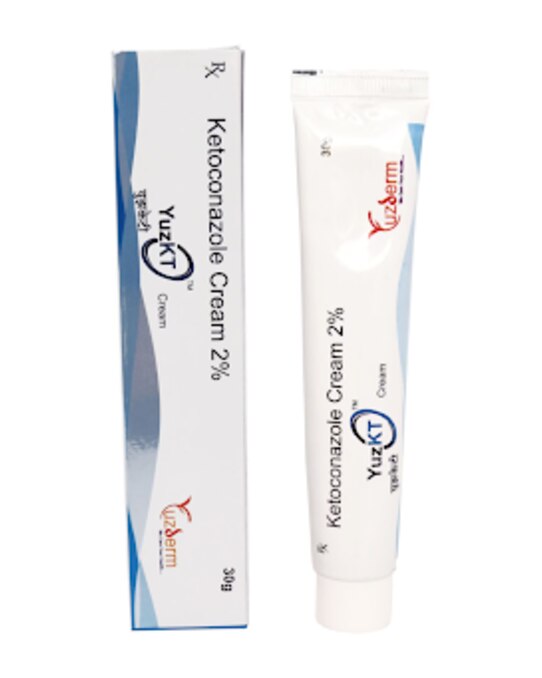
A ketoconazole product from Yuzderm Pharmaceuticals Pvt. Ltd. may suit a superficial, confirmed yeast or dermatophyte infection, but it is not a substitute for systemic treatment in scalp disease or onychomycosis.
Related products
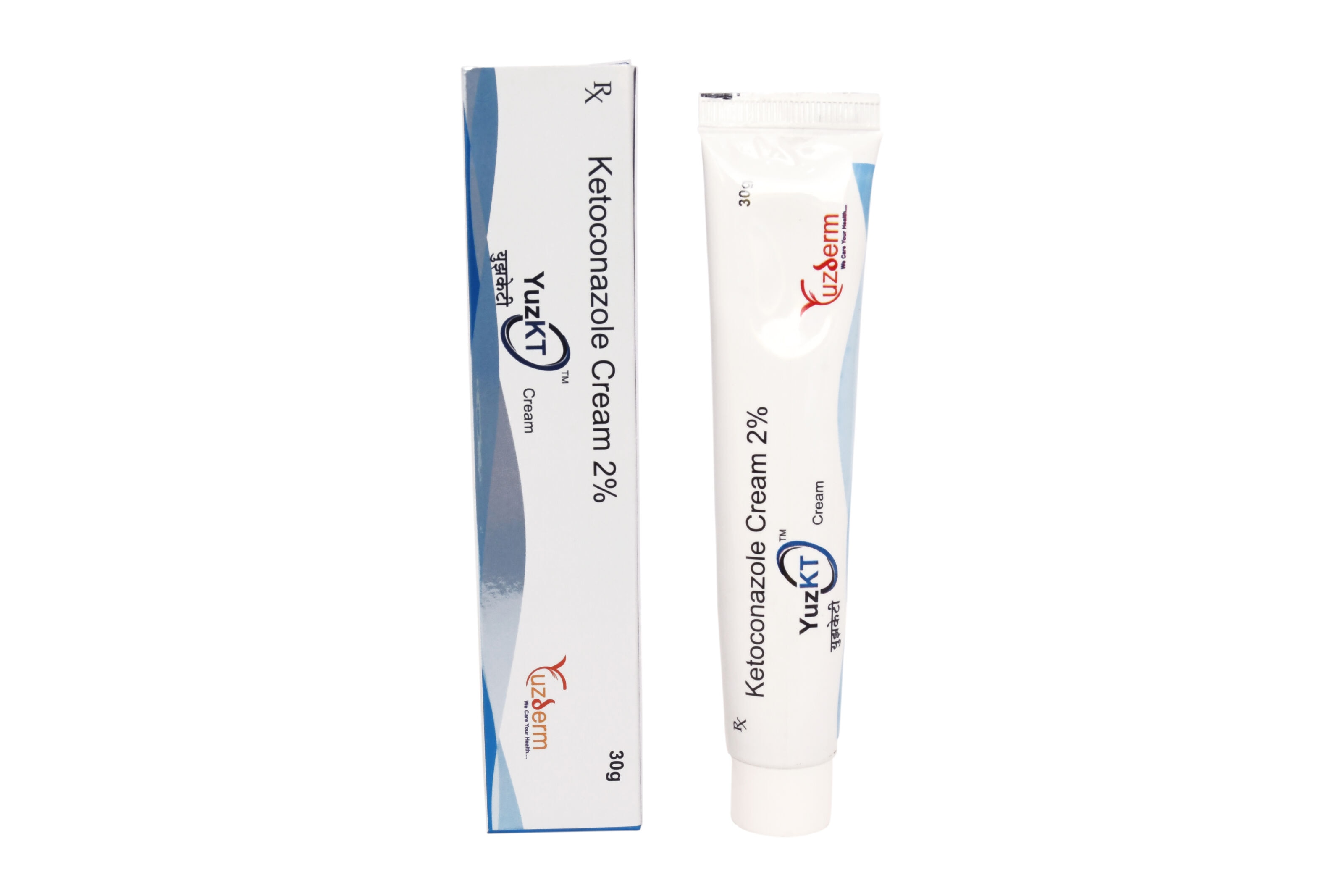 | Skin Care ₹103 Ketoconazole 2% cream is primarily prescribed to treat a variety of fungal and yeast infections of the skin, including: Athlete’s Foot (Tinea pedis)... View product → |
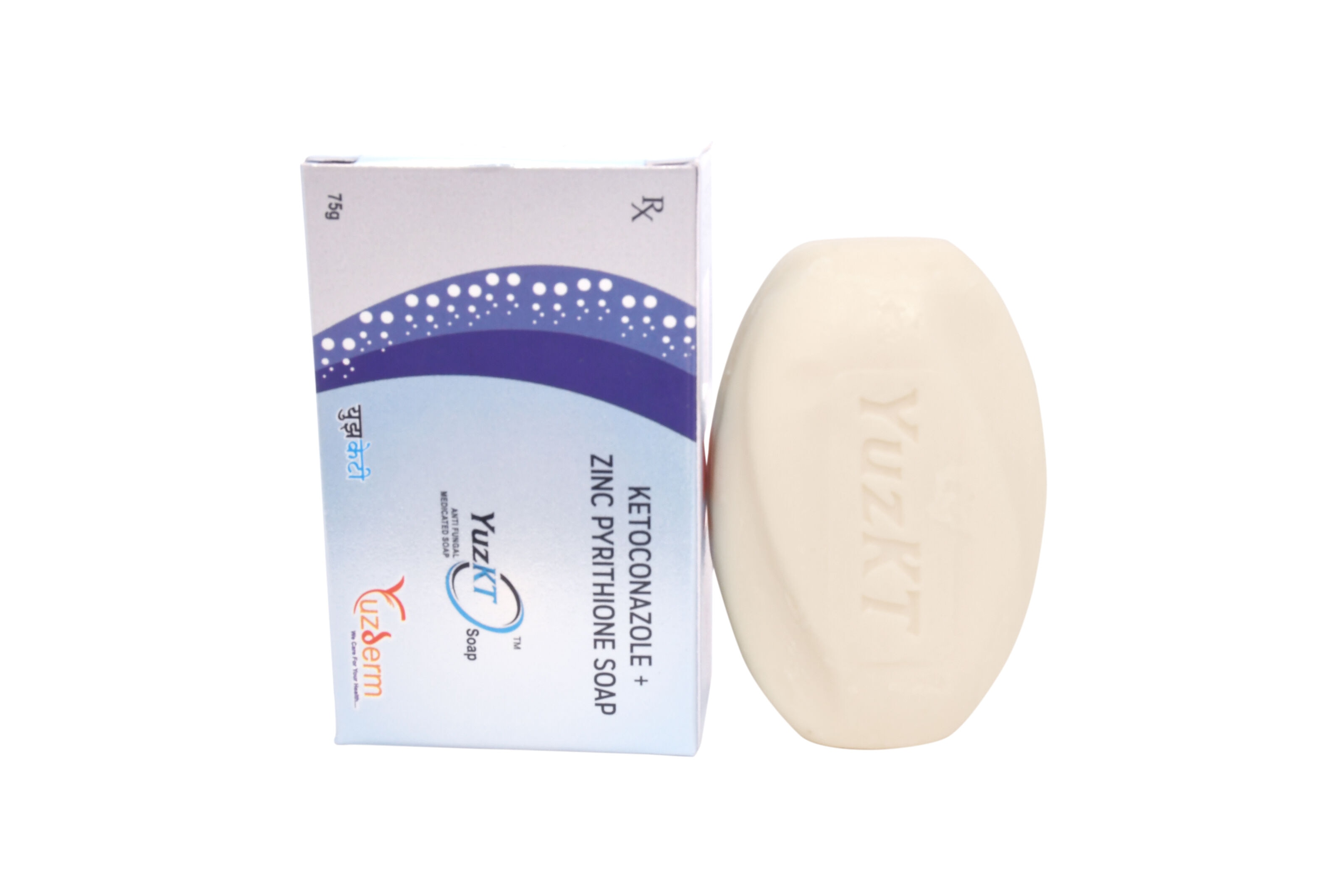 | Skin Care ₹96 Dandruff & Seborrheic Dermatitis: Helps with itchy, flaky skin on the scalp or body. View product → |
How to prevent recurrence and recognise treatment failure
Persistent symptoms do not automatically mean you need more product. Incorrect use, including missed applications, stopping early, or failing to cover the margins; topical corticosteroid exposure; reinfection; resistance; and a wrong diagnosis are common explanations.
1. Reduce moisture, friction, and occlusion. After washing, dry skin folds carefully, wear loose breathable clothing, and address obesity, diabetes, or immunosuppression. Candida intertrigo often recurs without this step; localized disease commonly uses nystatin or an azole.
2. Treat reservoirs during prevention planning. Wash and fully dry towels and clothing, avoid sharing them, and arrange household contacts or pets for assessment if dermatophyte infection keeps returning. Check nails, scalp, and footwear; rotate shoes, dry them between uses, and use practical footwear management.
3. Expect pityriasis versicolor pigment changes to outlast infection. Ketoconazole or selenium sulfide can clear Malassezia while lighter or darker patches remain for weeks or months. Frequent recurrence may need an intermittent antifungal or medicated-wash schedule chosen with a clinician.
4. Seek reassessment when an appropriate course produces no clear improvement, symptoms spread, or recurrence follows treatment. Ask about potassium hydroxide microscopy or culture rather than simply changing products; persistent disease may reflect resistance, reinfection, or a wrong diagnosis.
Red flags include fever, pus, severe pain, facial or scalp involvement, extensive rash, nail disease, diabetes, or immune suppression. Stop self-treatment and obtain medical review.
Frequently asked questions
Which rash patterns point to fungal or yeast infections?
Ring-shaped, expanding rashes with a raised edge suggest dermatophytes; moist fold rashes with satellite spots suggest Candida; flaky patches on oily areas suggest Malassezia. Appearance alone cannot confirm the diagnosis.
When does a skin infection need testing or a clinician?
Seek care for scalp or nail involvement, widespread disease, recurrent infection, uncertain diagnosis, weakened immunity, or no improvement after correct treatment. A clinician may examine skin scrapings or use other tests.
How should you use topical antifungal treatment?
Clean and dry the area, apply the medicine exactly as directed, extend treatment beyond visible improvement when the label instructs, and wash your hands afterward. Do not add a steroid cream unless prescribed.
When is topical treatment not the right next step?
Topical treatment is not enough for many scalp, nail, extensive, recurrent, or resistant infections. These cases need a clinician to confirm the cause and decide whether oral treatment or another approach is appropriate.
How can you prevent recurrence and recognise treatment failure?
Keep skin folds dry, change damp clothing, avoid sharing towels, wash clothing and bedding, and treat relevant household or animal sources. Persistent spread, new lesions, worsening itch, or recurrence after treatment indicates the need for review.
Related product
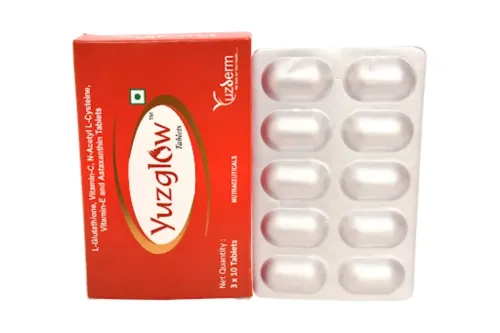
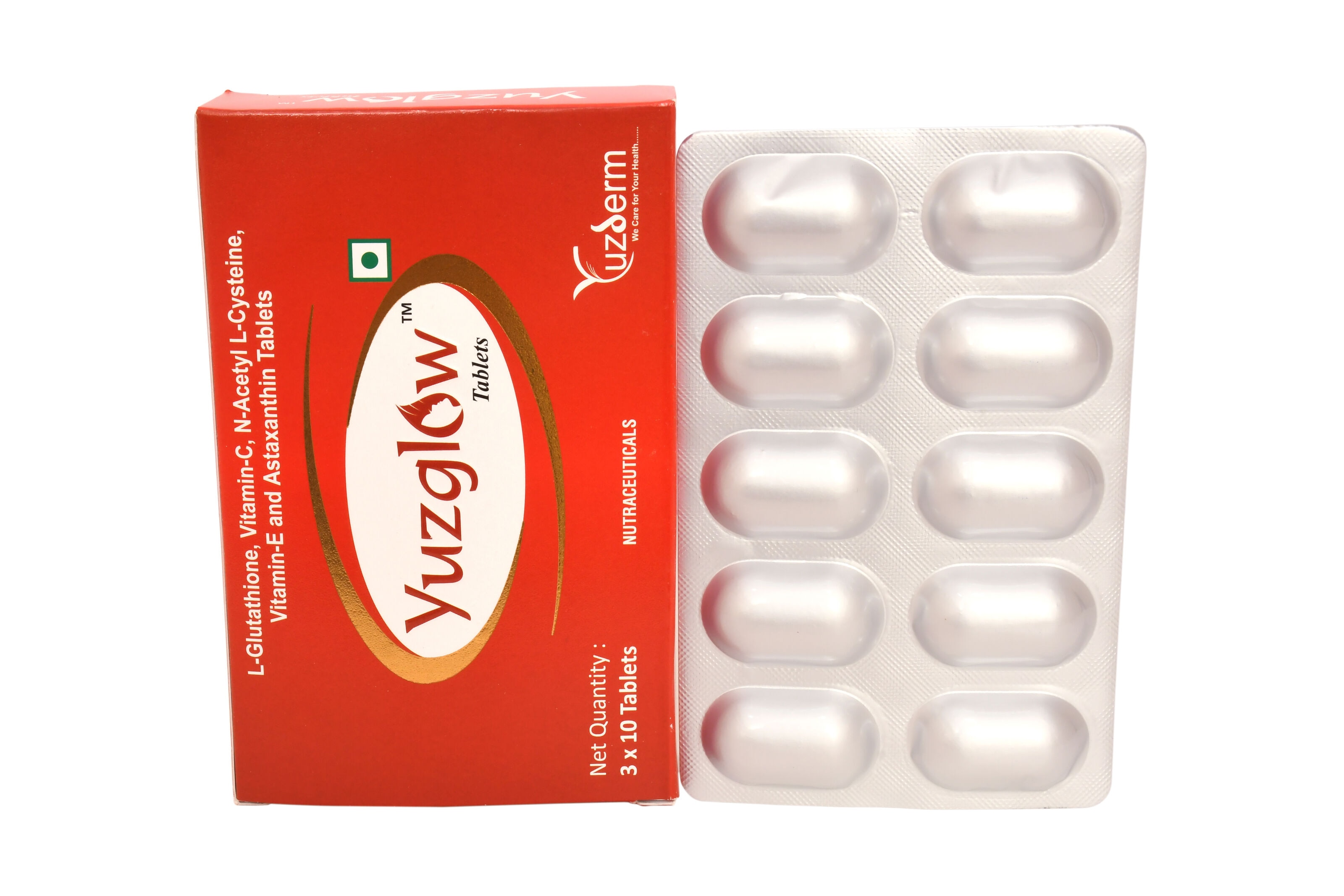 | Tablet ₹823 The box lists five primary active ingredients. These are often used together to boost the body's natural antioxidant levels: L-Glutathione: Often... View product → |