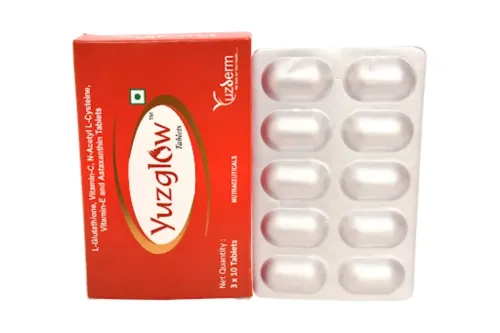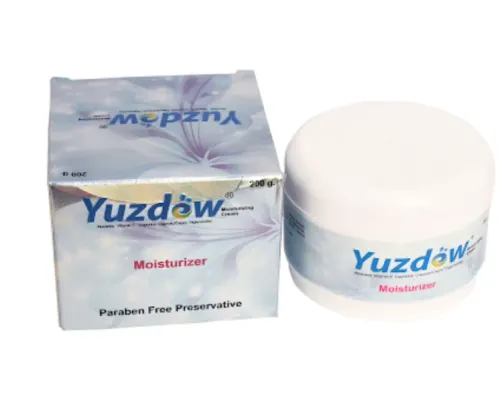
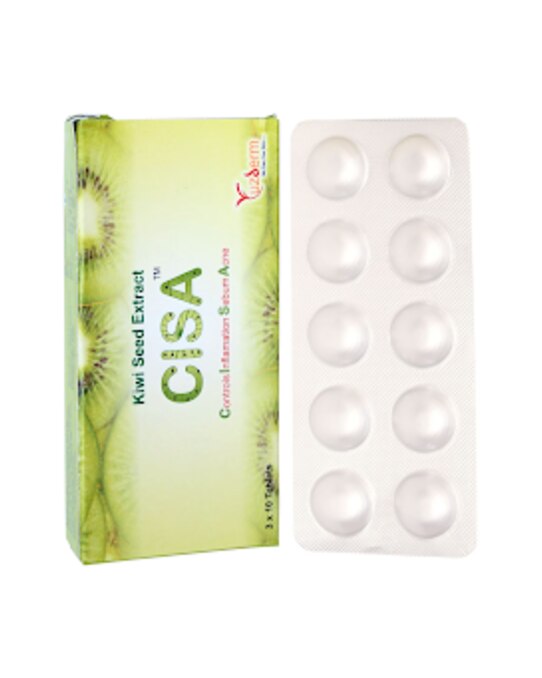
Skin, hair, and nail concerns can reflect inadequate protein, vitamin or mineral deficiencies, chronic disease, medication effects, or conditions that supplements cannot treat. By matching a nutrient to a documented need, checking the evidence and label, and allowing enough time for growth, you can decide whether a nutraceutical is sensible or whether clinical care is the better next step.
Key takeaways
- Absorbed nutrients support tissue processes through the bloodstream.
- Match supplements to a documented deficiency or a specific concern.
- Compare nutrient forms, doses, serving sizes, and third-party testing.
- Seek a diagnosis for sudden, severe, or persistent changes.
How oral nutrients reach skin, hair, and nails
Nutraceuticals for skin, hair, and nails work through the bloodstream, not by sending a capsule directly to a visible problem. After digestion, absorbed amino acids and micronutrients enter tissues and support protein synthesis, collagen formation, antioxidant defence, keratin production, and nutrient-dependent cell division.
- Amino acids provide building material for structural proteins in skin, hair fibres, and nail plates.
- Vitamin C supports collagen formation and also contributes to antioxidant protection.
- Zinc and other cofactors help enzyme activity, cell division, and keratinisation.
- Antioxidant nutrients help limit oxidative damage, but they do not reverse every cause of ageing, shedding, or nail change.
Oral collagen does not reach the dermis, hair, or nail as intact collagen. Hydrolysis breaks it into peptides and amino acids that are digested and absorbed; any effect depends on available building blocks and possible systemic signalling, not physical delivery of collagen into those tissues.
Adequate dietary protein, vitamin C, and overall energy intake form the foundation. Correcting a deficiency is different from adding more of a nutrient that you already obtain sufficiently: supplementation has greater practical value when food intake is restricted, absorption is impaired, or testing identifies a shortfall.
It is therefore more relevant to deficiency-related changes than to conditions such as scarring alopecia, fungal nail disease, or inflammatory skin disorders.
Which nutrients match which skin, hair, or nail concern
Match the nutrient to the problem rather than choosing one “beauty” formula. Protein supplies amino acids, while vitamin C supports collagen production; neither reliably improves tissue already receiving enough from diet.
| Nutrient | Concern or role | When it applies |
|---|---|---|
| Protein and vitamin C | Collagen production for skin structure | Inadequate protein, low vitamin C, or increased nutritional need |
| Iron | Iron for hair shedding; diffuse loss linked to deficiency | Confirm iron deficiency, not hair loss alone |
| Zinc | Zinc and keratin; supports keratinisation and hair biology | Documented or strongly suspected deficiency |
| Vitamin B12 | Vitamin B12 deficiency hair changes | Confirmed deficiency or a clear absorption or dietary risk |
| Vitamin D | Supports deficiency-related hair or skin concerns | Use when deficiency is confirmed |
| Biotin | Biotin deficiency can affect hair and nails | Deficiency or a clear risk, not routine high-dose use |
Iron supplements can cause nausea, constipation, abdominal pain, or diarrhoea, and they interact with calcium, antacids, levothyroxine, and some antibiotics. Avoid self-treatment when iron overload is possible. Ferritin rises during inflammation, so a “normal” result can conceal depleted usable iron and needs clinical interpretation.
Prolonged zinc intake above the adult tolerable upper intake level of 40 mg/day of elemental zinc can reduce copper absorption, causing anaemia and neurological problems. Preformed vitamin A has a narrow safety margin and can itself cause hair loss.
Selenium deficiency affects hair and nails, but excess causes brittle hair or nails; the adult upper limit is 400 micrograms/day, and Brazil-nut selenium content varies widely.
What the evidence supports—and where supplements fall short
Collagen peptide evidence points to small, inconsistent improvements in skin hydration, elasticity, and wrinkle scores—not a guaranteed result. Trials differ in peptide source, dose, duration, endpoints, sample size, and funding, so judge a formulation by its own clinical data.
1. Treat collagen as an adjunct, not a replacement for adequate protein, vitamin C, sun protection, or prescribed care. Omega-3 and omega-6 products have condition-specific evidence rather than proof that generic capsules reverse alopecia or eczema. Oral carotenoids or polyphenols may support oral photoprotection, but they do not equal sunscreen SPF.
2. Be sceptical of high-dose biotin for healthy people without deficiency: good evidence for improved hair or nail growth is lacking. Small, uncontrolled studies using 2.5 mg/day report improvements in selected people with brittle nails, not proof for every nail disorder.
Biotin laboratory interference can produce falsely low troponin results and misleading thyroid assays; disclose use before blood tests.
3. Match the claim to the diagnosis. A supplement cannot substitute for prescribed treatment of alopecia, acne, eczema, thyroid disease, psoriasis, scarring alopecia, fungal nail infection, or inflammatory nail disease. Nail dystrophy and shedding need examination when trauma, infection, inflammation, or systemic disease could be responsible.
If a product promises universal skin, hair, and nail benefits, ask what condition was studied, which endpoint improved, how many participants completed the trial, and who funded it.
Nutritional correction is most plausible when deficiency, restrictive eating, malabsorption, or another systemic trigger exists; adding more to an already adequate intake often adds cost rather than benefit.
How to read a supplement label and compare formulations
A practical way to read a supplement label is to verify what you receive per serving, not just the headline ingredient.
- Check serving size and dose per serving; record the elemental mineral amount, not the heavier compound weight.
- Look for named active ingredients with exact quantities, not a proprietary blend that hides individual doses.
- For collagen, identify the animal source and confirm that “hydrolysed” or “peptides” describes the form.
- Check the fish allergen statement, added sugars, expiry date, batch number, and storage instructions.
- Reject a label that omits testing, identity, purity, contaminant, or stability documentation.
Marine collagen is unsuitable without clinician advice for someone with a fish allergy. Review shellfish allergy, religious or dietary restrictions, pregnancy, breastfeeding, kidney disease, medication use, and other medical conditions before choosing it.
| Option | What it provides | What it cannot replace |
|---|---|---|
| Collagen peptides | Specific hydrolysed peptides; incomplete as a protein source | Complete dietary protein or prescribed care |
| Complete dietary protein | Essential amino acids for whole-body protein synthesis | Targeted topical or medical treatment |
| Plant-based protein | Protein from foods or blends; check amino-acid completeness | A collagen-specific formulation |
| Topical skincare | Local ingredients for the skin surface | Nutrition or treatment of internal disease |
| Clinically indicated treatment | Diagnosis-led therapy for disease | A general wellness supplement |
A buyer assessing Yuzderm Pharmaceuticals Pvt. Ltd. should ask for batch-level certificates of analysis, allergen controls, dose justification, and stability data; a named ingredient alone does not prove effectiveness.
Related products
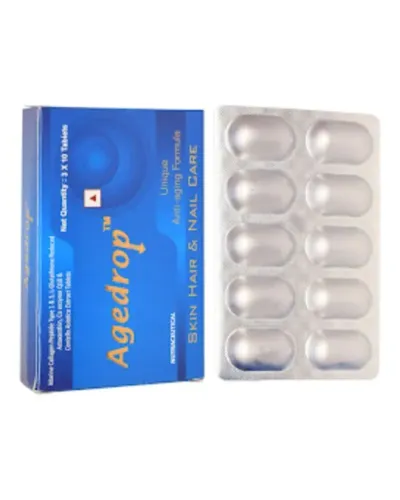
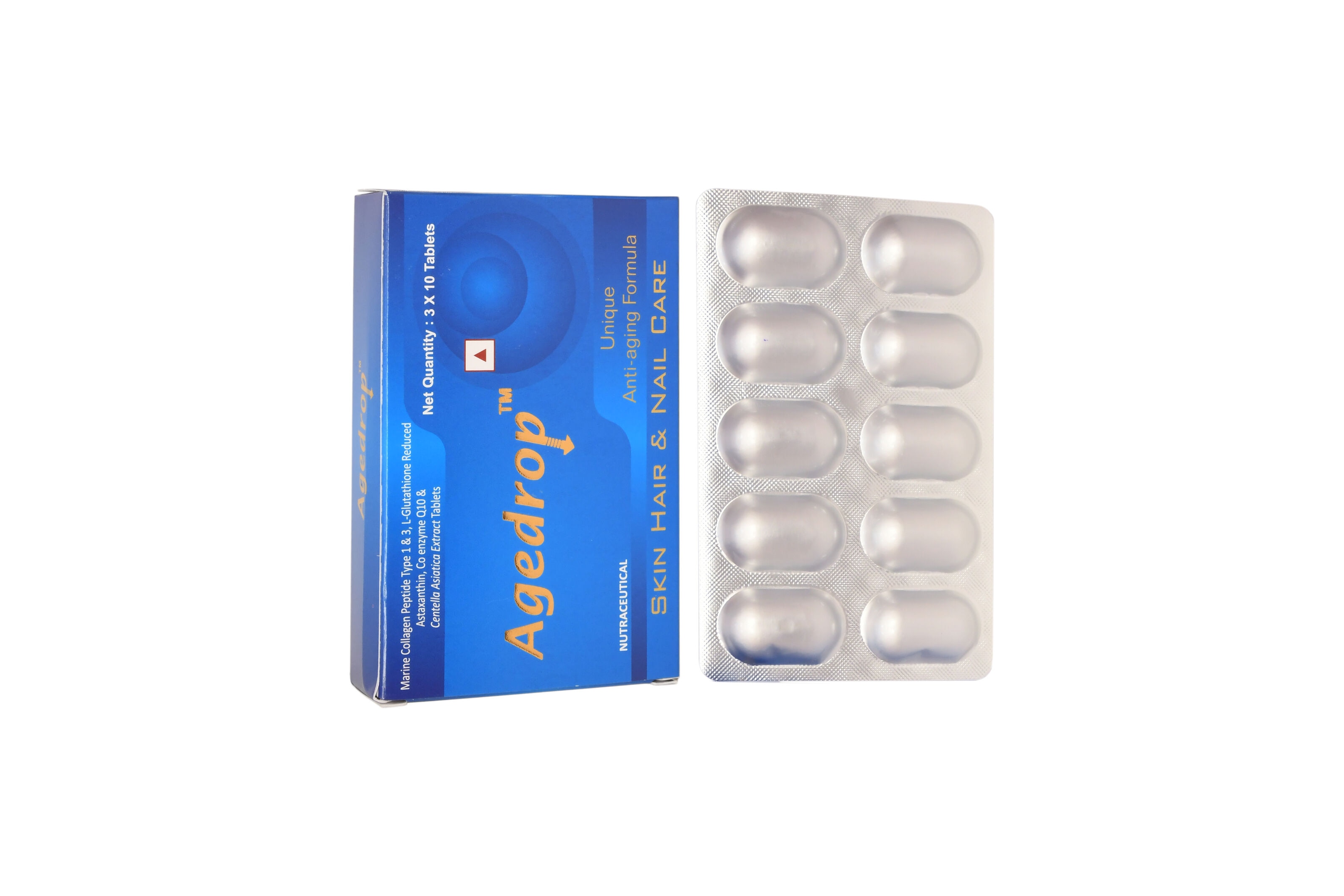 | Tablet ₹618 Marine Collagen Peptide (Type 1 & 3): These are proteins sourced from fish. View product → |
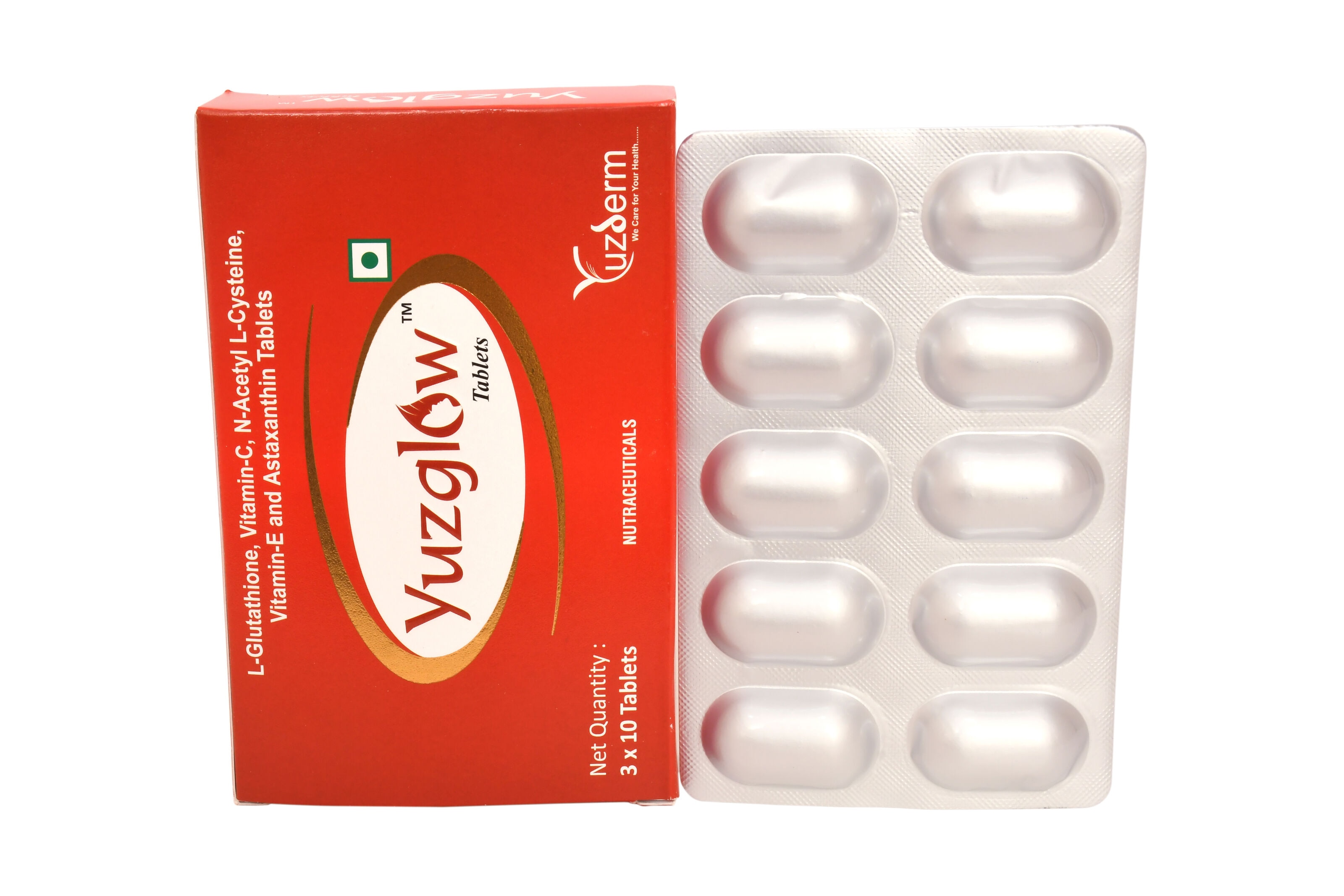 | Tablet ₹823 The box lists five primary active ingredients. These are often used together to boost the body's natural antioxidant levels: L-Glutathione: Often... View product → |
How long to assess results and when to seek a diagnosis
Review skin changes over roughly 8 to 12 weeks, because results depend on the concern, baseline health, sun exposure, diet, and treatment. How long supplements take for hair and nails is longer: assess shedding or breakage over at least 3 to 6 months because follicles and nail plates grow slowly.
Record the starting symptom, supplement dose, daily adherence, and each change. Keep other products constant; adding several at once makes improvement or side effects impossible to identify.
Nutritional correction is most plausible when nutrient deficiency, restrictive eating, malabsorption, or another systemic trigger is present. Nutrient deficiency testing and an examination matter more than guessing, particularly when supplements versus medical treatment could change the outcome.
Seek medical assessment for:
- Sudden or persistent hair shedding
- Scalp redness, pain, scaling, or inflammation
- Patchy loss or smooth, shiny areas suggesting scarring
- Marked nail distortion, separation, pain, or colour change
- Fatigue, unexplained weight change, or weakness
- Possible thyroid, inflammatory, fungal, or gastrointestinal disease
Supplements cannot replace examination, testing, prescribed treatment, adequate protein, sunscreen, or protective clothing. Oral supplements marketed for sun support do not provide a sunscreen SPF; use broad-spectrum sunscreen and protective clothing rather than treating sunscreen and oral supplements as interchangeable.
Frequently asked questions
How do oral nutrients reach the skin, hair, and nails?
Digested nutrients enter the bloodstream after absorption, then support processes such as protein synthesis, collagen formation, keratin production, antioxidant defence, and cell division.
Which nutrients match skin, hair, or nail concerns?
The right nutrient depends on the concern and its cause. Nutrients involved in collagen, keratin, cell division, and antioxidant defence address different biological processes, so match a formulation to a documented need rather than taking a broad blend at random.
What should you compare on a nutraceutical supplement label?
Check the active nutrient amounts per serving, chemical forms, serving size, ingredient list, excipients, recommended use, batch details, expiry date, and evidence of quality testing.
When should you seek a diagnosis instead of relying on supplements?
Seek medical assessment for sudden or severe hair loss, unexplained nail changes, persistent skin symptoms, or problems that do not improve during a reasonable assessment period. A diagnosis can identify causes that supplements cannot correct.
Related products
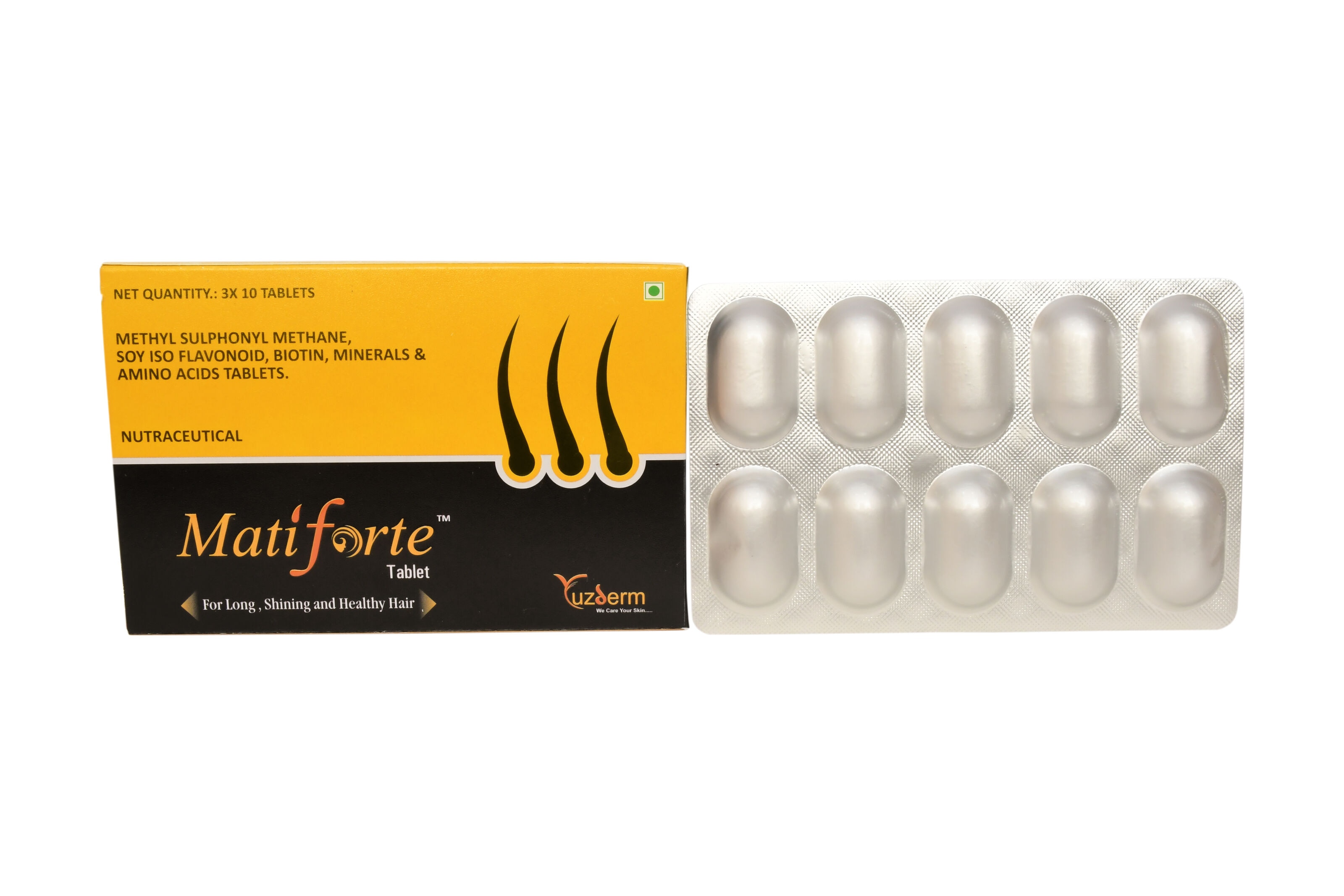 | Hair Care ₹168 strenghthens keratin in hair and influences hair growth, strengthens hair follicles allows hair follicles to absorb vitamins and minerals prevent... View product → |
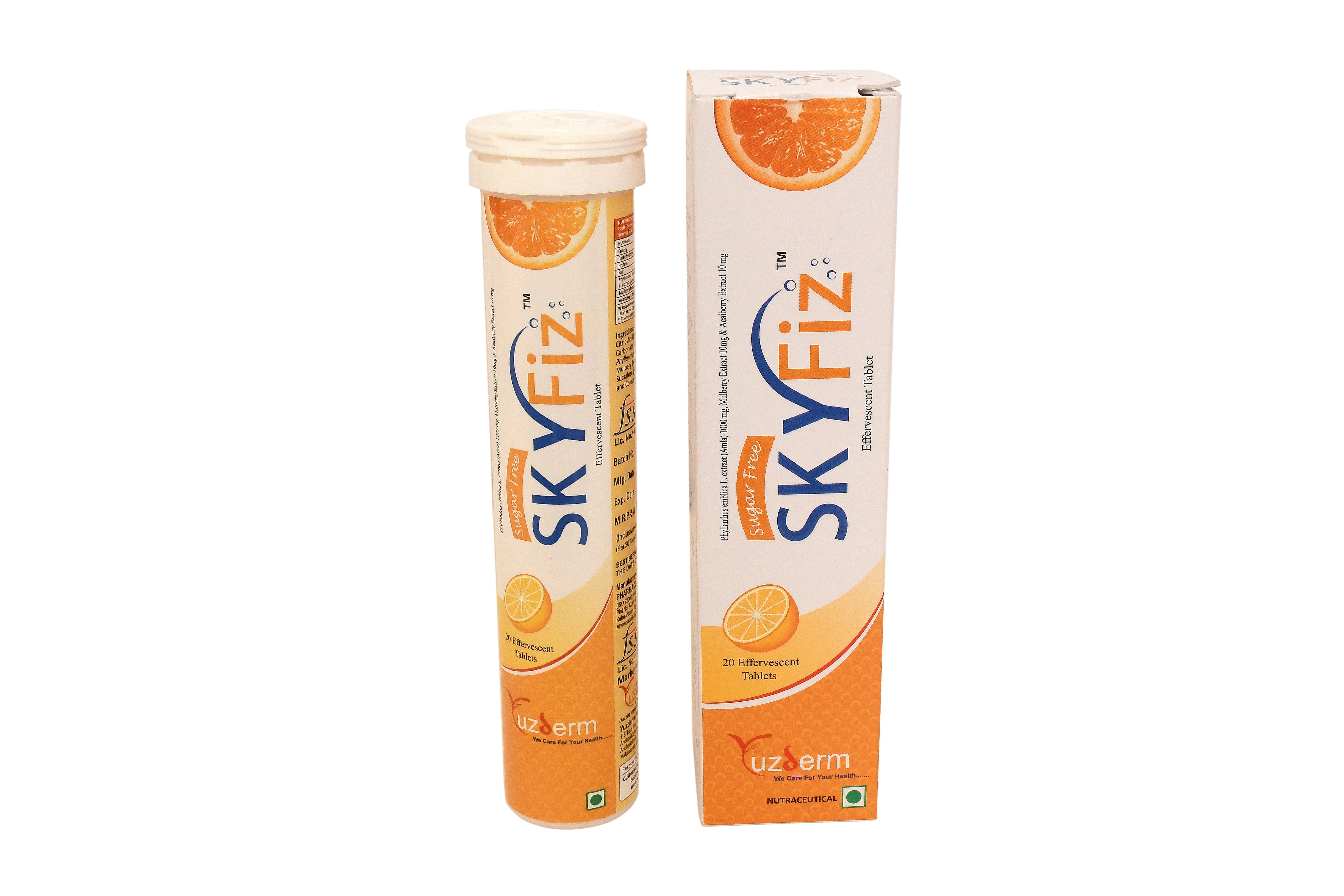 | Tablet Skyfiz ₹399 Phyllanthus emblica (Amla) Extract (100 mg): A potent source of natural Vitamin C, which supports immune health and skin rejuvenation. |
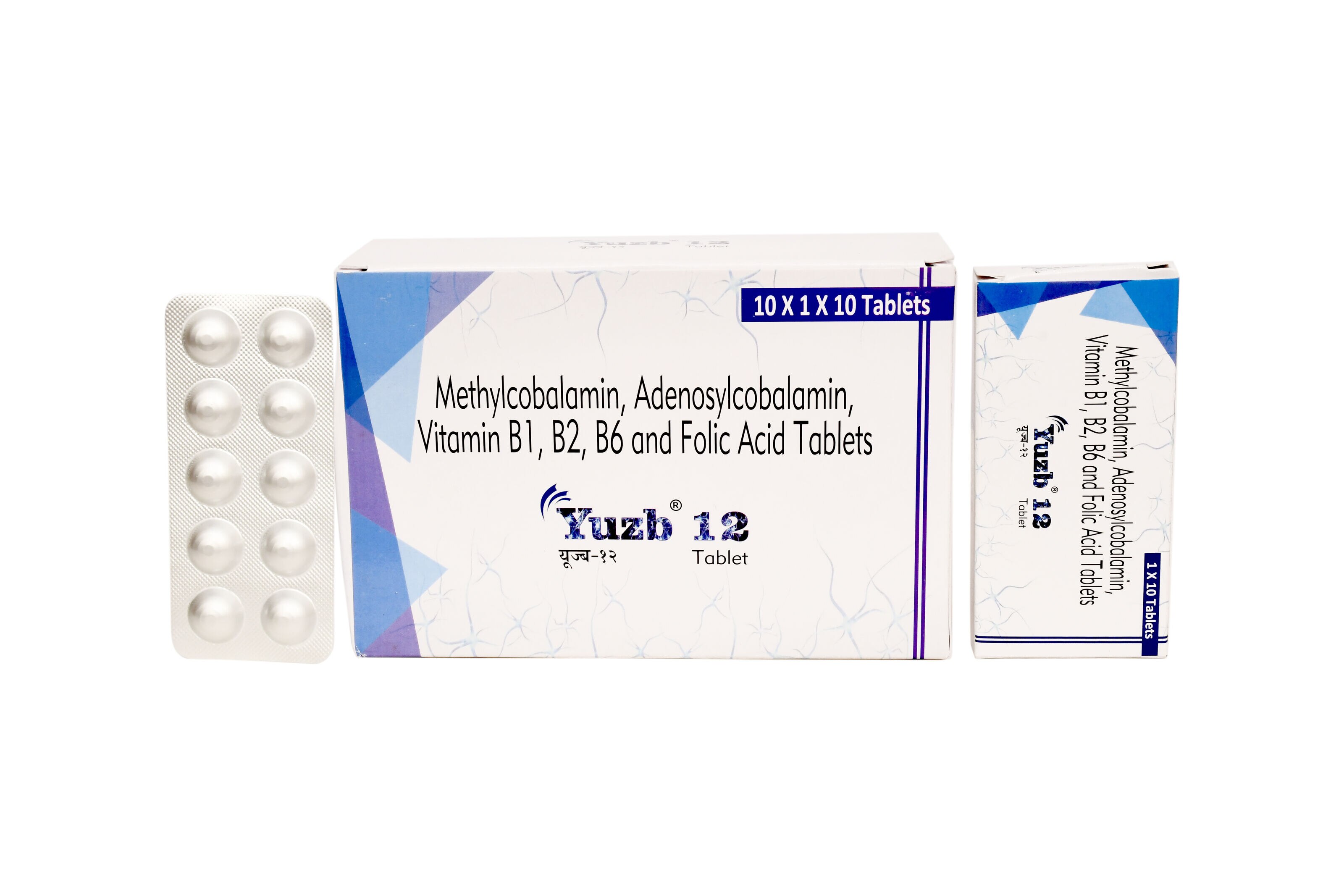 | Tablet ₹129 The product contains a specific blend of B-complex vitamins, including two “active” forms of Vitamin B12: Methylcobalamin & Adenosylcobalamin: These... View product → |