Clinical products work best when their order, frequency and recovery steps are clear. By the end, you will be able to build a morning and evening sequence, introduce active ingredients without losing track of irritation, and identify when a prescription treatment or high-strength serum needs clinician guidance.
Key takeaways
- Apply treatment before moisturiser, then use sunscreen in the morning.
- Introduce one active product at a time and patch test new formulas.
- Use topical clindamycin only under acne-treatment supervision.
- Choose one pigmentation strategy instead of layering similar brighteners.
Build the morning and evening order around the product’s job
A daily skincare routine works best when each layer has one job: cleanse the surface, apply treatment to dry skin, add moisture, then protect against ultraviolet exposure. The acne treatment gel moisturiser order is treatment first and moisturiser second, not the reverse.
- Morning: Use a gentle cleanser, pat dry, apply vitamin C serum, then moisturiser. Finish with broad-spectrum sunscreen rated SPF 30 or higher. Apply enough to cover the face and reapply at least every two hours outdoors, after swimming or heavy sweating.
- Evening: Cleanse again, wait until the skin is fully dry, and apply your acne treatment gel to the acne-prone area rather than only visible spots when the label or clinician instructs area treatment. Follow with moisturiser.
- If your clinician directs twice-daily acne treatment, use it after the morning cleanser and before vitamin C serum or moisturiser; confirm this combination with them because irritation can increase.
- You do not need a fixed ten-minute gap between layers. Let each product settle until the skin feels dry and comfortable before applying the next; damp skin can intensify stinging from retinoids and acids.
Keep sunscreen as the final morning leave-on product. In the evening, moisturiser is the last step, unless a clinician gives different instructions for a specific prescription. If a treatment burns persistently, causes marked peeling or swelling, stop and seek medical advice.
Introduce active products slowly and make sunscreen non-negotiable
Add only one new active during the first two to four weeks. To introduce skincare actives one at a time, keep your cleanser and moisturiser unchanged while you test the new treatment; otherwise, skin irritation is difficult to trace and you may abandon a useful product.
- Week 1: Apply the active to clean, completely dry skin on alternate nights. Use a thin layer over the acne-prone or pigmented area, not extra product on individual marks.
- Week 2: If there is no persistent burning, swelling, cracking or heavy peeling, continue alternate-night use. Apply moisturiser afterward, or apply moisturiser first if the active stings.
- Weeks 3–4: Increase frequency only when your skin remains comfortable. Add another active only after the first has settled for at least two weeks.
- If redness or stinging lasts into the next day, stop the active, use a gentle cleanser and barrier-supportive, non-comedogenic moisturiser, then restart less often after recovery. Do not scrub peeling skin.
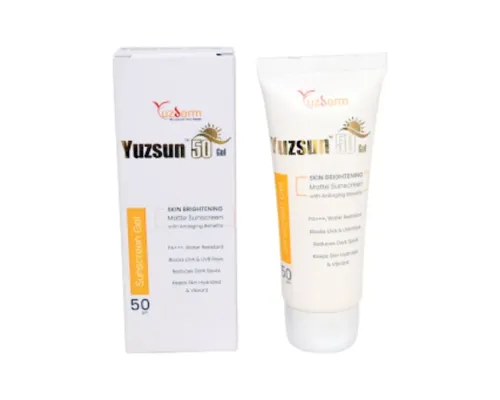
Use a broad-spectrum sunscreen SPF 30 or higher every morning, including while treating pigmentation at night; ultraviolet exposure can bring dark marks back, and an AHA can increase photosensitivity during use and for up to one week afterward.
Make sunscreen reapplication part of the plan: reapply at least every two hours and after swimming or sweating. Let moisturiser settle before applying sunscreen so the sunscreen forms the final leave-on film.
Use topical clindamycin as a supervised acne treatment, not a spot cosmetic
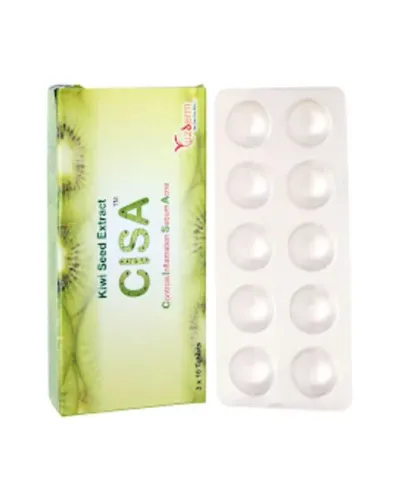
Apply Cisa Gel after cleansing and drying your skin completely. Spread a thin, even film over the acne-prone area versus individual lesions: treating the area prevents new inflamed spots, while dabbing only visible pimples turns topical clindamycin into a spot cosmetic.
Use the amount and frequency on your prescription; Cisa Gel is commonly applied twice daily, but do not increase applications to speed results.
- Wash your hands, cleanse gently, and wait until the skin is dry.
- Apply enough gel to lightly cover the affected acne-prone area, avoiding the eyes, lips, nostrils, and broken skin.
- Let it absorb before applying moisturiser; wash your hands again.
- Do not share the tube, apply it to unaffected skin, or add extra doses after missing one.
Expect improvement over weeks, not days. Arrange a review at about 12 weeks, or earlier if your clinician instructs you, and do not continue beyond the prescribed course without supervision. Extended or repeated antibiotic use increases antibiotic resistance, so never restart leftover gel or combine it with another antibiotic without medical advice.
Stop and seek medical help for severe burning, swelling, blistering, or a widespread rash. Get urgent help for facial or throat swelling, breathing difficulty, or faintness. Contact a clinician promptly for persistent or severe diarrhoea, especially with abdominal cramps, blood, or fever; antibiotic-associated colitis can occur during treatment or afterward.
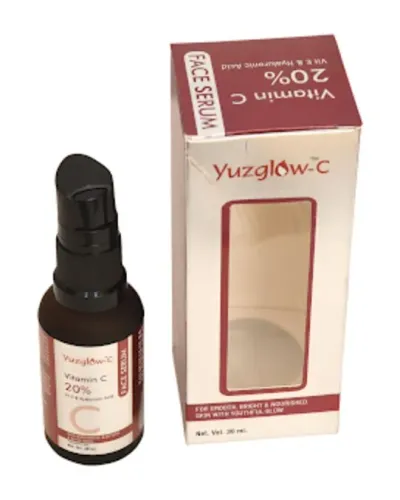
Handle 20% vitamin C with patch testing, storage and compatibility checks
A 20% vitamin C serum is a high-strength active, so do not apply it to an eczema flare, cracked skin, or freshly shaved skin. Calm the area with a bland moisturiser first, then restart only after redness, itching and stinging have settled.
- Perform a patch test on the inner forearm or behind the ear for two days, following the product label. Stop if you develop burning, swelling, hives or a spreading rash; a home patch test cannot rule out delayed allergic contact dermatitis or replace dermatologist-performed testing.
- Use two or three drops on clean, completely dry skin every other morning for the first week. Increase to daily use only if your skin remains comfortable, then apply moisturiser and broad-spectrum sunscreen.
- Pair it with sensitive skin eczema-compatible skincare: a fragrance-free cleanser, humectant or emollient moisturiser, and no scrubs or essential oils.
- Check the rest of your routine before layering. Keep vitamin C separate from exfoliating acids, benzoyl peroxide and retinoids at first; use those treatments on alternate evenings. Benzoyl peroxide can degrade conventional tretinoin, while adapalene and benzoyl-peroxide-stable tretinoin are formulated differently, so follow the named product’s instructions.
- Niacinamide does not automatically become irritating when layered with vitamin C. Judge the finished formulas and your skin’s response, not a pH warning circulating online.
Store the bottle tightly closed, away from heat and sunlight, and follow its temperature instructions. Vitamin C oxidation can turn a pale serum dark orange or brown; discard it if the colour, smell or texture changes.
Choose one pigmentation strategy instead of stacking overlapping brighteners
Choose one product by its named active, concentration and directions, not by promises that all sound like “brightening.” Pigmentation products overlap when they target the same pathway, and stacking them increases irritation without guaranteeing faster fading. Compare the current label or product insert for Yuzbrite, Yuzglow C and Yuzlite before choosing.
| Option | Check on the label | Safer decision |
|---|---|---|
| Yuzbrite | Active ingredients, concentrations, frequency and whether it contains an exfoliating acid or retinoid | Choose it only when its formula fits your existing routine; do not add another product with the same active |
| Yuzglow C | Vitamin C concentration, form, pH, packaging, storage instructions and irritation warnings | Treat the stated 20% vitamin C as a strong active, especially with eczema, sensitive skin or other exfoliants |
| Yuzlite | Exact active, strength, pregnancy-use statement, sunscreen instructions and evidence for finished-product preservation | Do not infer its ingredients or compatibility from the name; select it only after reading the full label |
For products from Yuzderm Pharmaceuticals Pvt. Ltd., ask for the current ingredient list, batch details and usage leaflet if the online description omits them. Look for packaging that limits air and contamination, plus preservation-efficacy evidence such as ISO 11930 testing; a preservative listed in the ingredients does not prove the finished formula is protected.
If the chosen product contains an alpha-hydroxy acid, use broad-spectrum SPF 30 or higher daily and continue careful sun protection for up to one week after stopping. Stop overlapping actives when burning, swelling or persistent peeling appears.
Related products
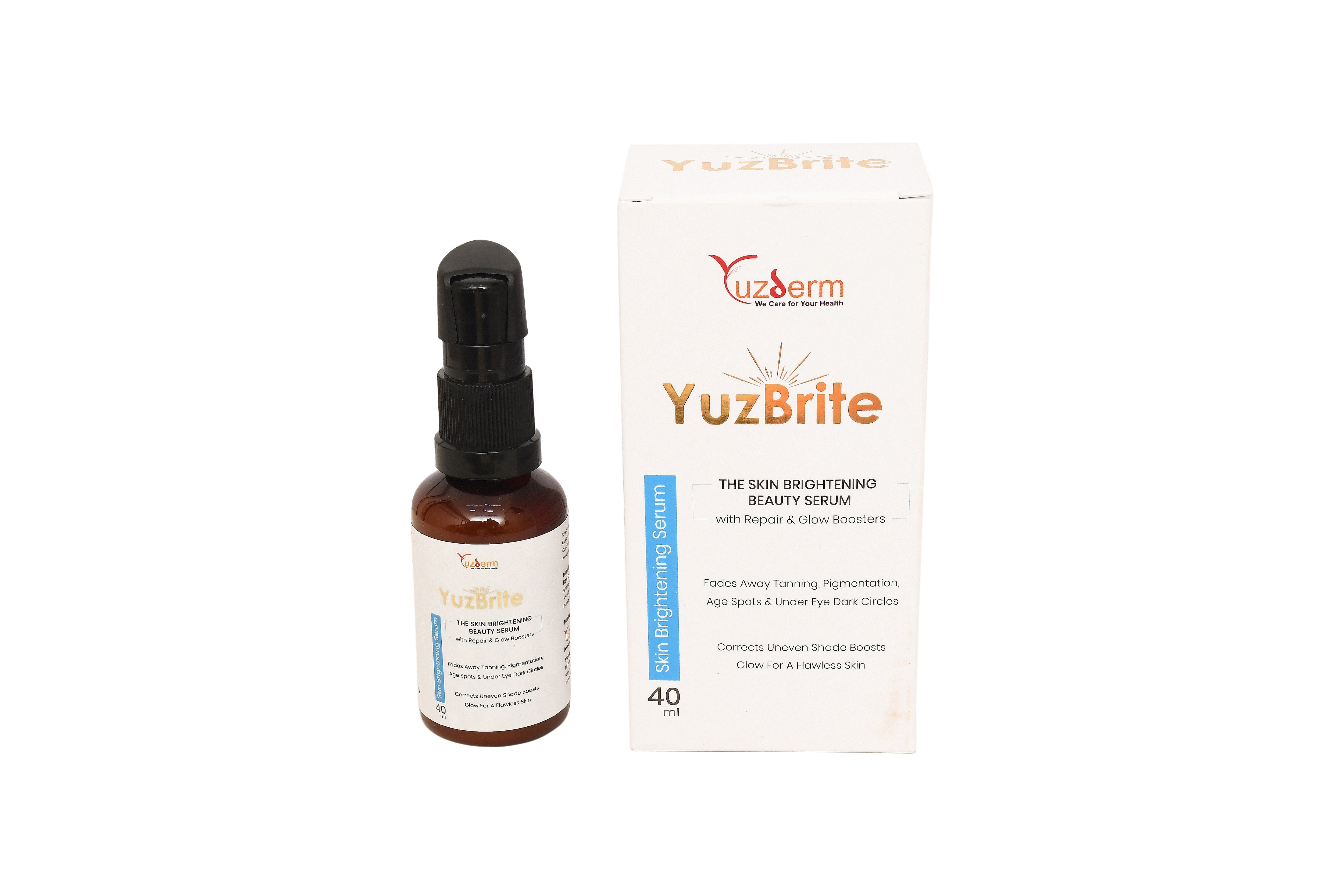 | Skin Care Yuzbrite ₹550 Pigmentation Control: Formulated to fade away tanning, dark spots, and age spots. |
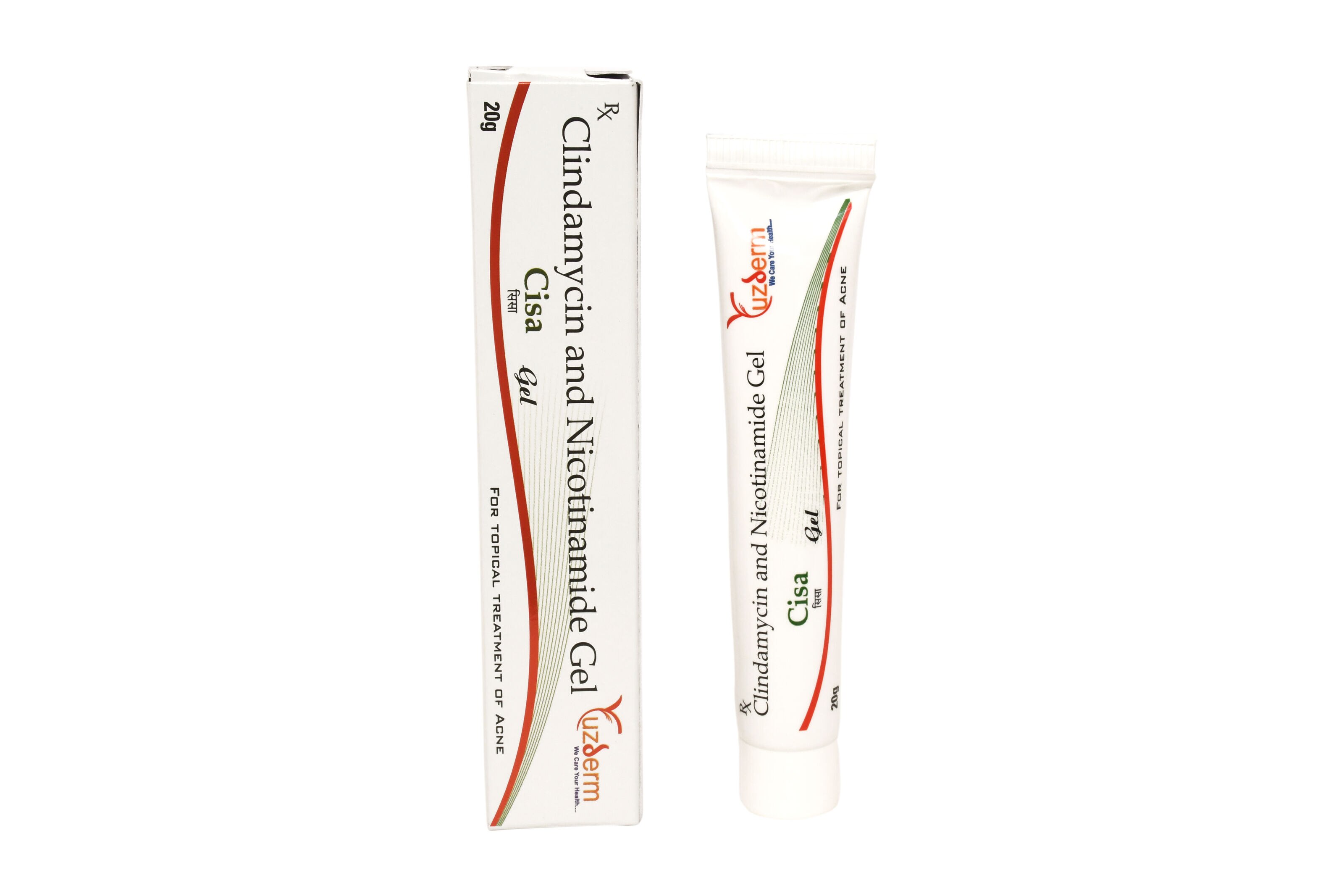 | Skin Care ₹126 Clindamycin: This is a lincosamide antibiotic. It works by inhibiting the protein synthesis of Cutibacterium acnes (the bacteria responsible for... View product → |
Frequently asked questions
What order should you use clinical skincare products?
Cleanse first, apply treatment to dry skin, use moisturiser, then apply sunscreen in the morning. At night, finish with moisturiser unless your product instructions say otherwise.
How should you introduce active skincare products?
Start one active at a time, use it on a limited schedule, and increase frequency only when your skin tolerates it. Patch test new products before applying them broadly.
How should topical clindamycin be used for acne?
Use topical clindamycin as a supervised acne treatment, not as an occasional spot cosmetic. Follow the prescribed application instructions and review ongoing use with a clinician.
How should you use 20% vitamin C?
Patch test first, check storage instructions, and review compatibility before combining 20% vitamin C with other active products. Stop if persistent irritation develops.
Should you combine several products for pigmentation?
Choose one pigmentation strategy and assess it consistently instead of stacking overlapping brighteners, which can increase irritation and make results harder to evaluate.
Related products
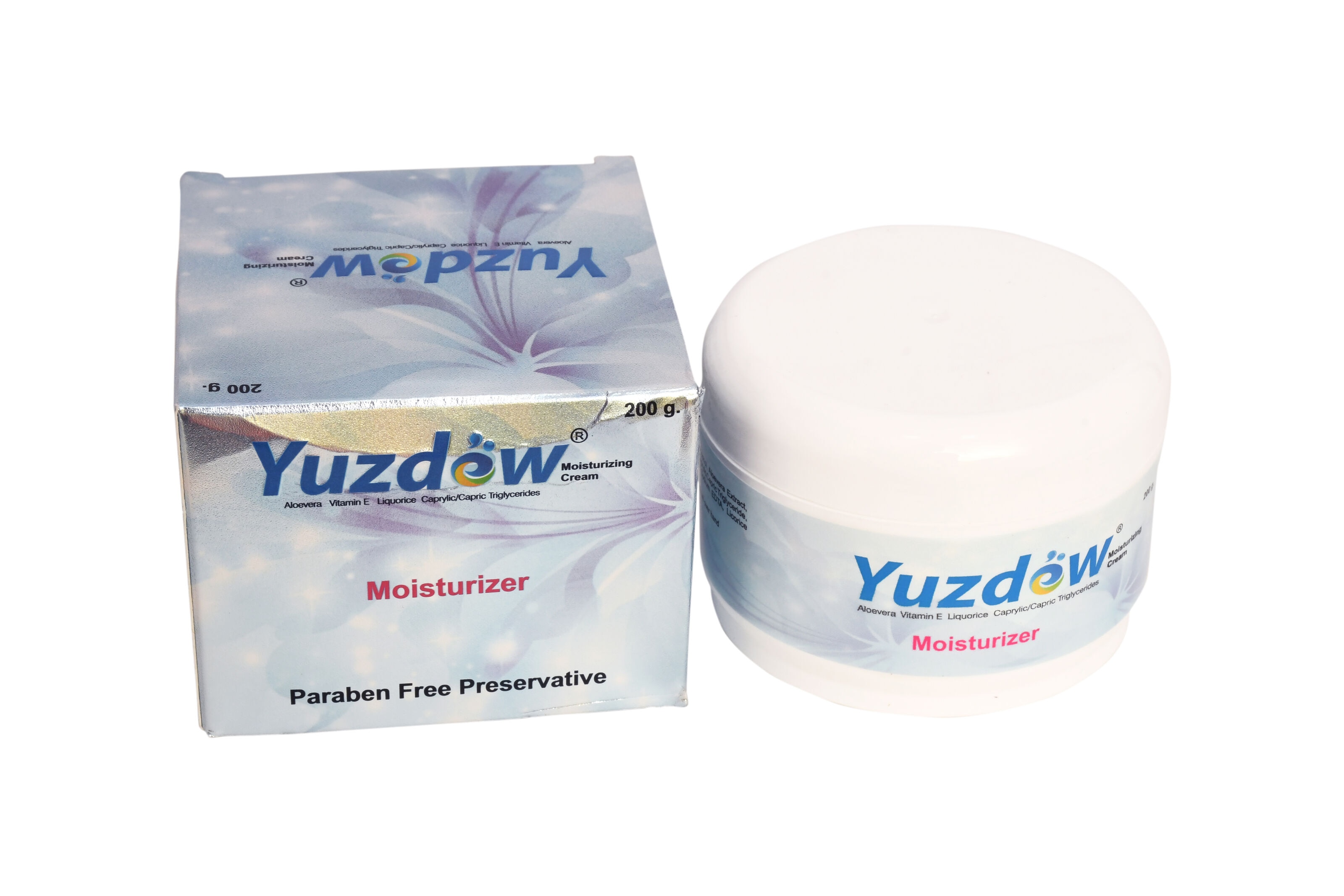 | Skin Care ₹299 Medicated soaps and acne treatments can sometimes be drying. This cream is the “shield” that repairs and protects. View product → |
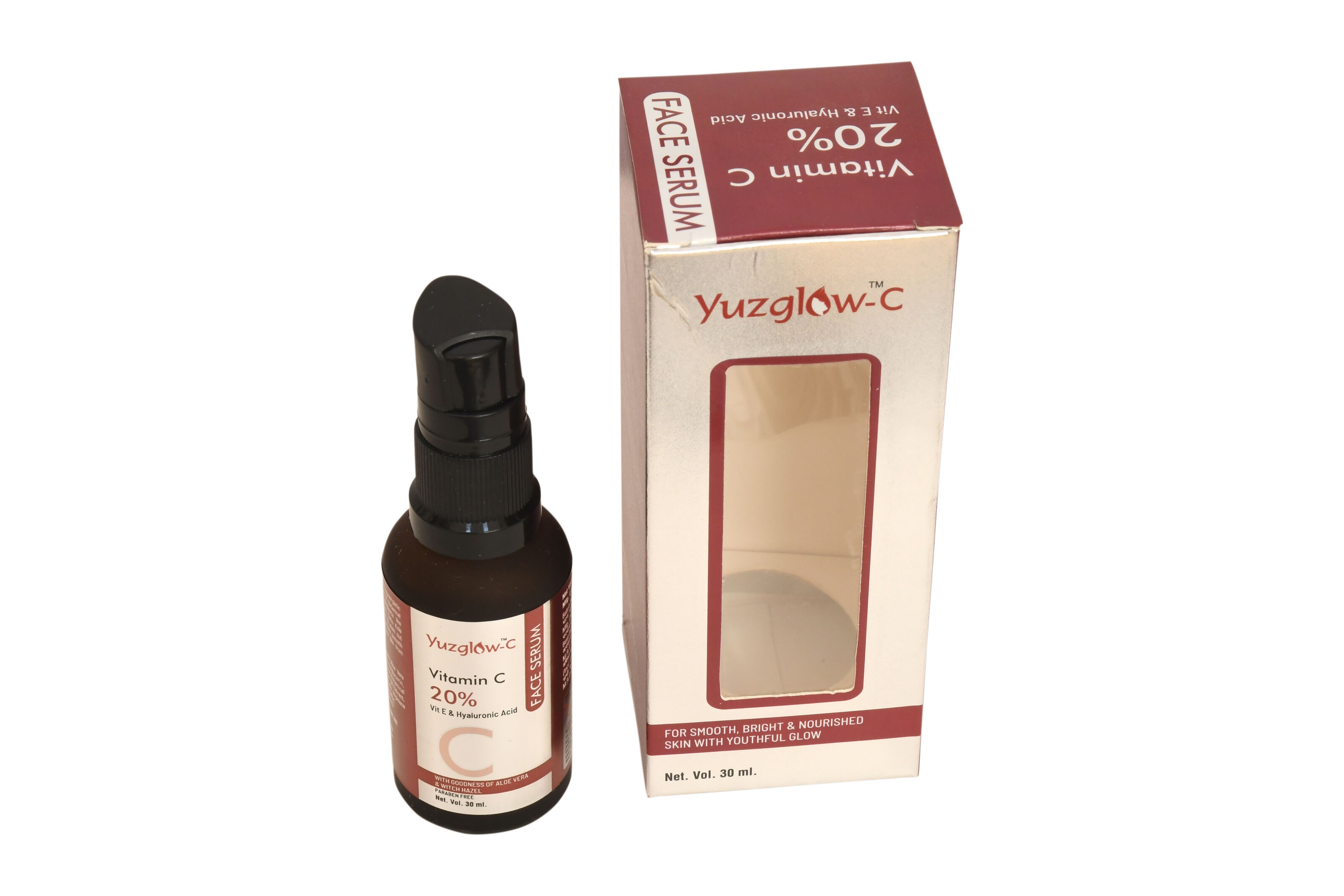 | Skin Care ₹1330 Vitamin C (20%): A high concentration used for brightening the complexion, reducing hyperpigmentation, and stimulating collagen production. View product → |
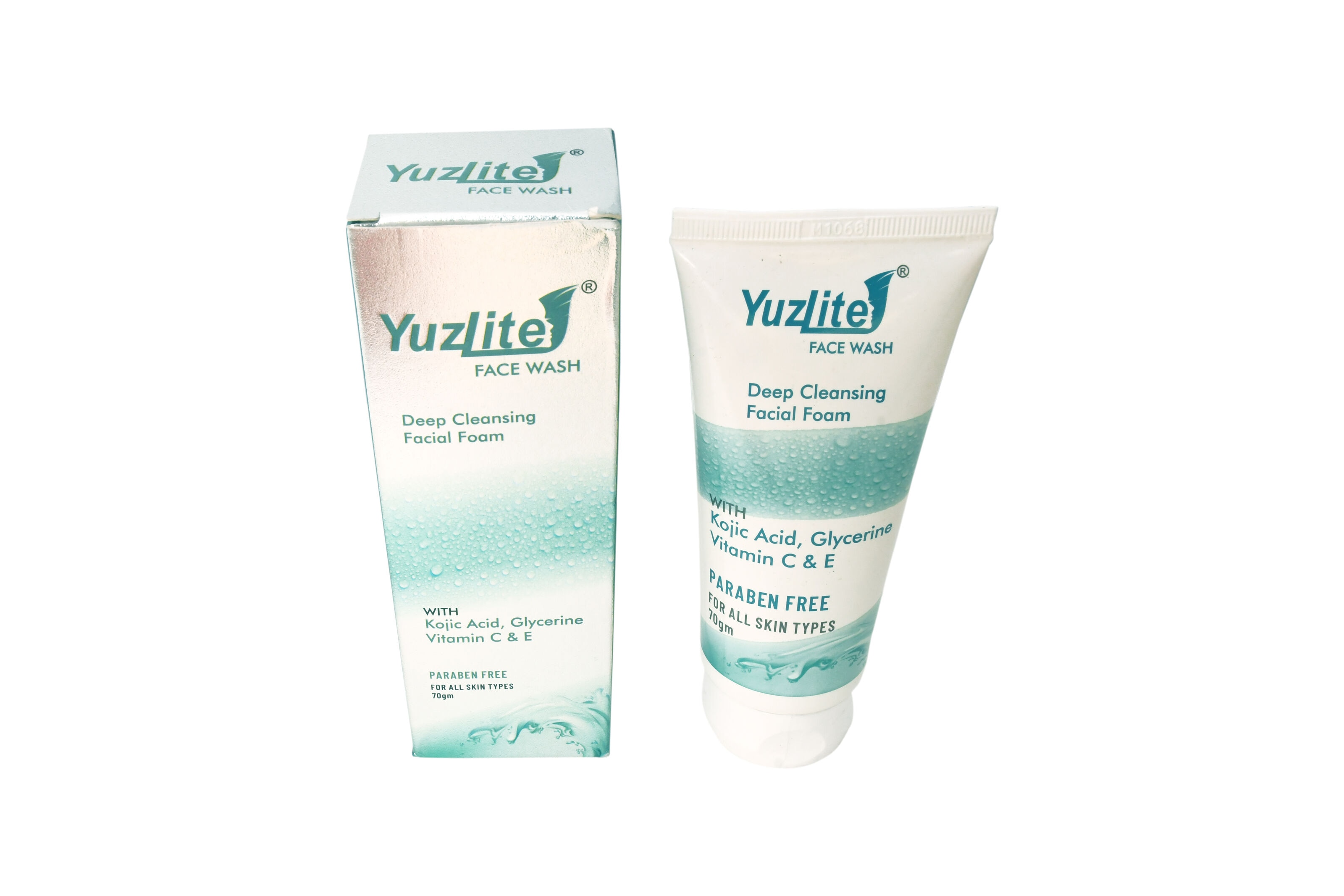 | Skin Care ₹285 Kojic Acid- Improves skin tone Vitamin C - Skin Rejuvenating ,Powerful Antioxidant Vitamin E- Powerful Antioxidant Glycerin-Soothing Effects {Reduces... View product → |