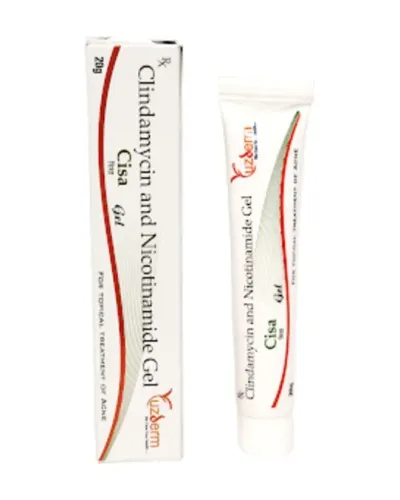
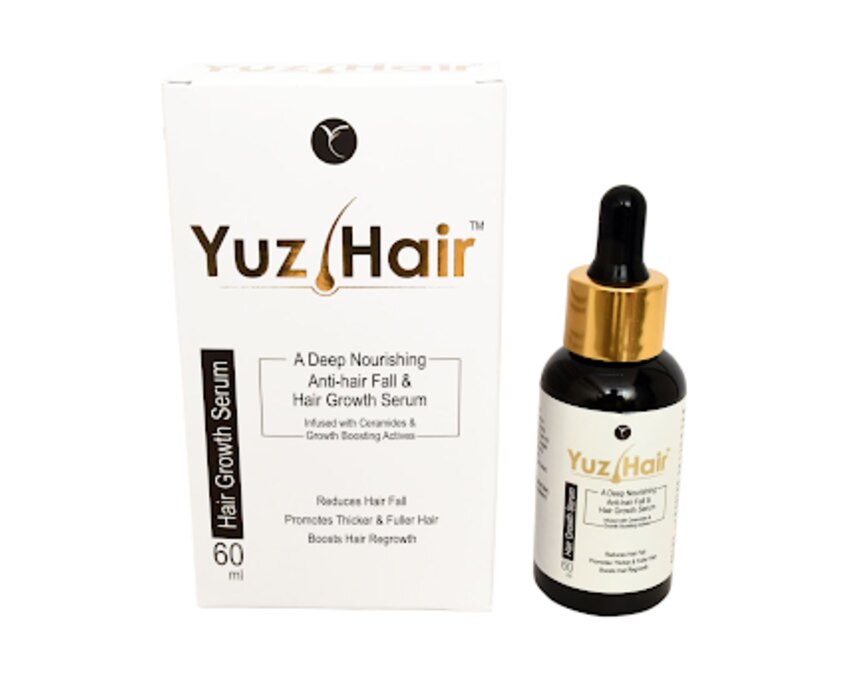
Hair in the brush can reflect normal shedding, temporary telogen effluvium, follicle miniaturization, scalp disease, or simple shaft breakage. You will be able to identify the pattern, recognise when medical assessment matters, and build a routine that separates evidence-based treatment from cosmetic conditioning and unsupported supplement claims.
Key takeaways
- See a dermatologist for visible thinning, recession, widening parts, or shedding beyond two months.
- Match diffuse shedding, patterned loss, and scalp symptoms to different likely causes.
- Use oil, serum, shampoo, and conditioner for specific roles—not as substitutes for diagnosis.
- Patch-test new formulas and stop products that cause burning, redness, or persistent itching.
When Hair Shedding Is Normal—and When It Needs a Dermatologist
Normal daily hair shedding varies with washing frequency, hair length, hairstyle, and baseline density, so counting hairs in the drain is not a reliable universal test. Routine shedding becomes concerning when your part widens, the hairline recedes, density visibly drops, or excessive hair fall continues beyond two to three months.
Seek a dermatologist promptly if you notice:
- Sudden or progressive patchy hair loss, especially with eyebrow loss
- Scalp pain and pustules, marked redness, heavy scale, or tenderness
- Shiny skin, reduced follicle openings, or other signs of scarring
- Broken hairs with inflammation, or rapid loss after starting a medicine
- Diffuse shedding with fatigue, weight change, restrictive eating, or other illness symptoms
These signs can indicate alopecia areata, scalp inflammation, infection, scarring alopecia, thyroid disease, iron deficiency, medication effects, or telogen effluvium after illness or major stress. Scarring alopecia can permanently destroy follicles, so adding growth-promoting products delays the examination that matters.
Check whether you are seeing shedding or breakage. Bleaching, permanent waving, repeated heat, traction, and brushing wet hair can fracture the shaft without causing follicular hair loss. Conditioner can reduce friction and breakage, but it cannot reverse follicular miniaturization in androgenetic alopecia.
A dermatologist may use dermoscopy and select blood tests, such as ferritin or thyroid testing, from your history and examination.
Match the Hair-Fall Pattern to Its Likely Cause
The pattern of loss often points to the cause: widening at the part suggests androgenetic alopecia, while sudden diffuse shedding after illness, weight loss, or major stress suggests telogen effluvium. Short, broken hairs indicate shaft damage rather than follicles releasing more hairs.
| Pattern or exposure | What it commonly indicates | Clues to check |
|---|---|---|
| Androgenetic alopecia | Follicular miniaturization | Gradual thinning at the crown, part, or temples; finer replacement hairs |
| Telogen effluvium | Temporary diffuse shedding | Noticeable loss about two to three months after fever, surgery, childbirth, severe stress, nutritional restriction, or rapid weight loss |
| Alopecia areata | Immune-mediated patch loss | Smooth, sharply defined bald patches; eyebrow or eyelash loss can occur |
| Thyroid disease or iron deficiency | Medical causes of diffuse shedding | Fatigue, cold intolerance, weight change, heavy periods, or brittle nails; testing should follow the history and examination |
| Medication exposure | Drug-related shedding or breakage | Loss beginning after a new medicine or dose change; do not stop prescribed treatment without medical advice |
| Traction, bleaching, permanent waving, heat, or wet-hair grooming | Hair-shaft fracture | Uneven lengths, split ends, scalp tenderness, or breakage along the hairline |
| Scalp inflammation | Dermatitis or infection | Itching, burning, pain, heavy scale, redness, pustules, or crusting |
Do not treat every shed as iron deficiency. Take iron supplements only after documented deficiency and appropriate medical advice; excess iron causes harm and can delay the correct diagnosis. A conditioner with cationic agents and film-forming polymers can reduce combing force, but it cannot reverse follicular miniaturization.
What Oil, Serum, Shampoo, and Conditioner Can Actually Change
Hair-care products act on different targets: follicles produce new fibres, scalp skin supports that process, and the visible shaft is already formed keratin. A product that improves the shaft cannot automatically change follicle activity.
| Product | Main target | What it can change | What it cannot do |
|---|---|---|---|
| Hair oil | Shaft and scalp surface | Reduce friction, soften dry fibres, and limit moisture loss | Claims linking hair oil and follicle activity do not prove regrowth or reversal of miniaturisation |
| Leave-on hair serum | Scalp or shaft | A minoxidil serum can support pattern-hair-loss treatment; a cosmetic serum can coat or condition fibres | A cosmetic serum cannot substitute for diagnosis or proven follicular treatment |
| Shampoo | Scalp | Remove oil and scale; ketoconazole shampoo treats seborrhoeic dermatitis and Malassezia-associated inflammation when used as directed, often with several minutes of contact before rinsing | It is not equivalent to minoxidil and cannot repair a fractured shaft |
| Conditioner | Shaft | Cationic conditioning agents and film-forming polymers reduce combing force, tangling, and hair breakage | It cannot restore a damaged follicle or make permanently lost density return |
A leave-on scalp product can worsen perceived hair fall if fragrance, essential oils, preservatives, surfactants, or propylene glycol cause irritant or allergic dermatitis. Stop an irritating product rather than applying more often; persistent redness, burning, or scaling needs clinical review.
Build a Routine Without Irritating the Scalp
Use one scalp-active product at a time until you know your tolerance. Apply topical minoxidil or a treatment serum to a clean, dry scalp, not over oil; serum layering can dilute products, increase residue, and make irritation harder to identify.
- Wash the scalp according to its oil and inflammation level. If using ketoconazole shampoo, massage it onto the scalp, leave it for the label’s stated contact time, often several minutes, then rinse thoroughly; it treats seborrhoeic dermatitis, not follicular regrowth.
- Let the scalp dry before applying minoxidil or another leave-on treatment. Do not apply oil immediately afterward.
- Reserve hair oil application for the hair lengths or a separate pre-shampoo session if oil worsens itching, flakes, or folliculitis. Shampoo it out completely.
- Use conditioner on mid-lengths and ends to reduce friction and breakage. Keep heavy conditioner off an inflamed scalp.
Keep supplements separate from topical treatment decisions. Take iron, zinc, vitamin D, or other tablets only when a clinician identifies deficiency or a clear dietary indication; empirical iron can cause adverse effects and delay the correct diagnosis.
Biotin rarely improves hair loss without deficiency, and high doses create biotin laboratory interference in thyroid and cardiac troponin immunoassays. Stop biotin before blood tests only after asking the ordering clinician when to stop, and disclose every supplement. Stinging, swelling, worsening scale, or persistent redness means stop the suspected product and seek medical advice.
What to Verify Before Choosing a Hair-Fall Formula
A persuasive hair-growth claim is not proof of follicle regrowth. Before buying, check the full INCI ingredient list, each active concentration, the intended use, application area, contact time, expiry date, batch number, and storage instructions. Missing concentrations make products impossible to compare.
Request these records before using the formula:
- A human tolerability study for the finished product, including irritation and allergic reactions during leave-on use.
- Clinical results showing baseline and follow-up hair counts or phototrichogram evidence over at least six months for miniaturisation claims.
- The exact Matiforte dosage and contraindications, including pregnancy, breastfeeding, allergies, kidney or liver disease, and medicine interactions.
- A list of fragrance, essential oils, preservatives, surfactants, and propylene glycol; these are useful patch-test targets when a scalp product causes burning, redness, or extra breakage.
- The regulatory basis for dandruff or drug claims in your country. Ketoconazole, zinc pyrithione, selenium sulfide, piroctone olamine, and climbazole do not share one global classification or permitted concentration.
| Claim | Evidence worth requesting | Warning sign |
|---|---|---|
| Hair regrowth | Standardised hair counts or phototrichogram at six months | Only testimonials or photographs |
| Dandruff control | Defined scalp-flaking and inflammation endpoints | Regrowth promised from shampoo alone |
| Supplement support | Ingredient amounts, dosage, contraindications, adverse-event data | “Natural” label without interaction or deficiency guidance |
For a product such as Matiforte, Yuzderm Pharmaceuticals Pvt. Ltd. should be able to identify the dose and safety boundaries clearly; do not substitute empirical supplementation for testing suspected iron or thyroid problems.
Related products
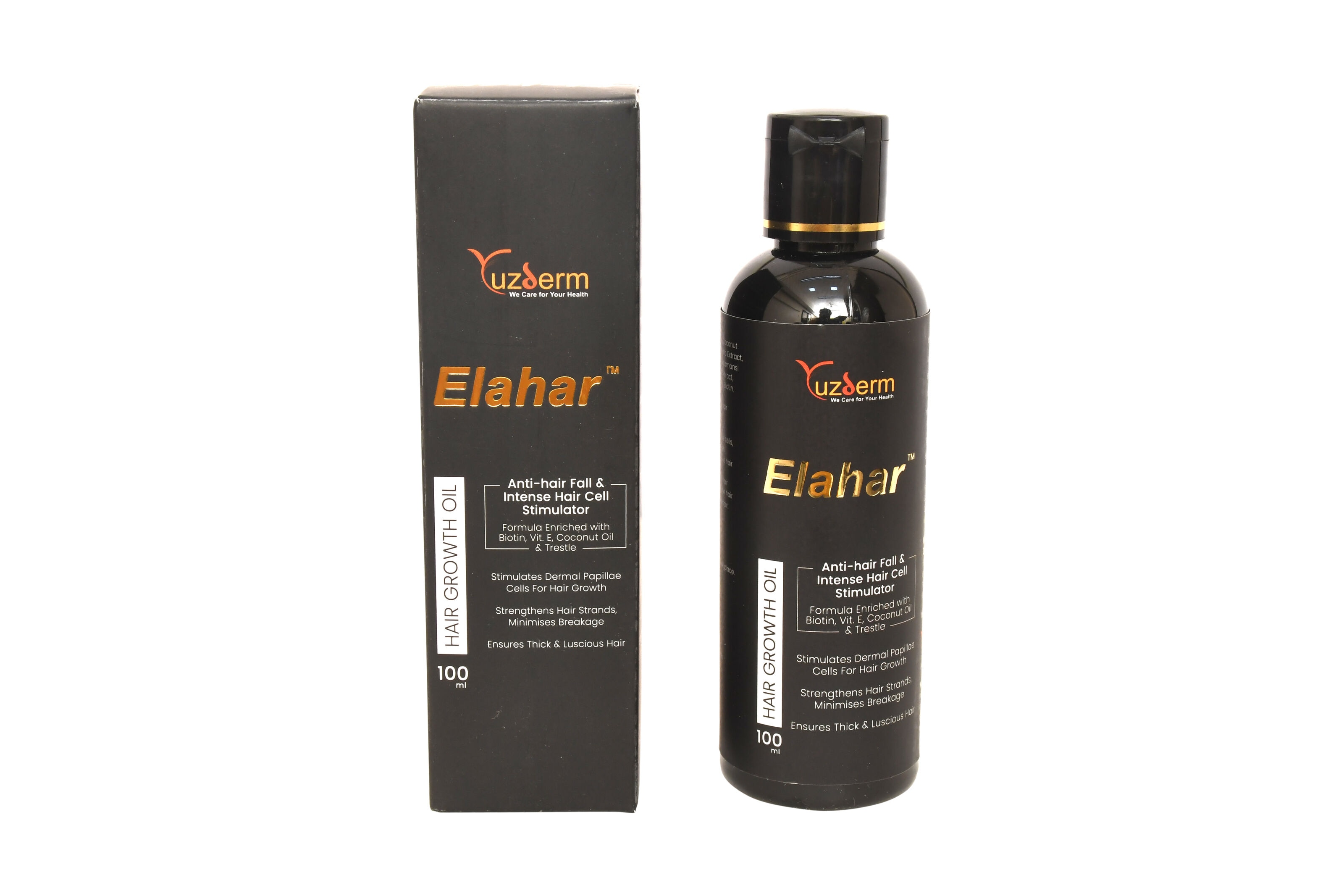 | Hair Oil ₹328 1. Stimulates Dermal Papilla Cells What it means: Dermal papilla cells are located at the base of hair follicles and control hair growth. View product → |
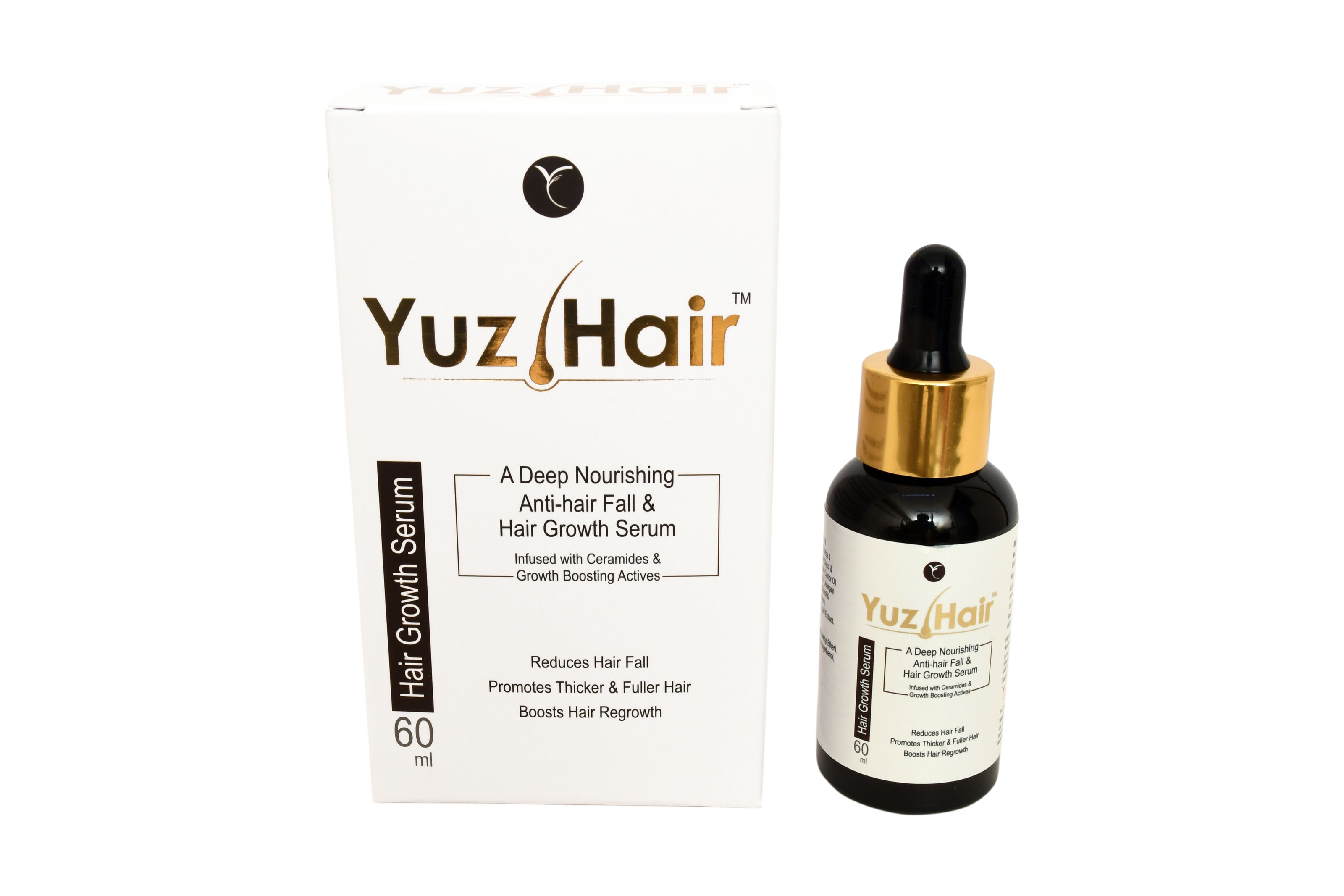 | hair serum Yuzhair ₹1549 Yuz Hair – Hair Growth Serum (60 ml) A topical serum designed to reduce hair fall and promote hair regrowth using nourishing and strengthening... |
Frequently asked questions
When should hair shedding be evaluated by a dermatologist?
Seek evaluation when your part widens, the hairline recedes, density visibly drops, or excessive shedding continues beyond two to three months.
How can you match a hair-fall pattern to its likely cause?
Diffuse shedding, patterned thinning, patchy loss, and hair fall with scalp symptoms point to different causes, so note the pattern, timing, and accompanying changes.
What can hair oil, serum, shampoo, and conditioner actually change?
These products can support scalp comfort, reduce friction and breakage, and improve the feel and appearance of hair, but they cannot replace diagnosis or treatment for medical hair loss.
How can you build a hair-care routine without irritating your scalp?
Introduce one formula at a time, follow its directions, avoid aggressive scrubbing and excessive heat, and stop using products that cause burning, redness, or persistent itching.
Related products
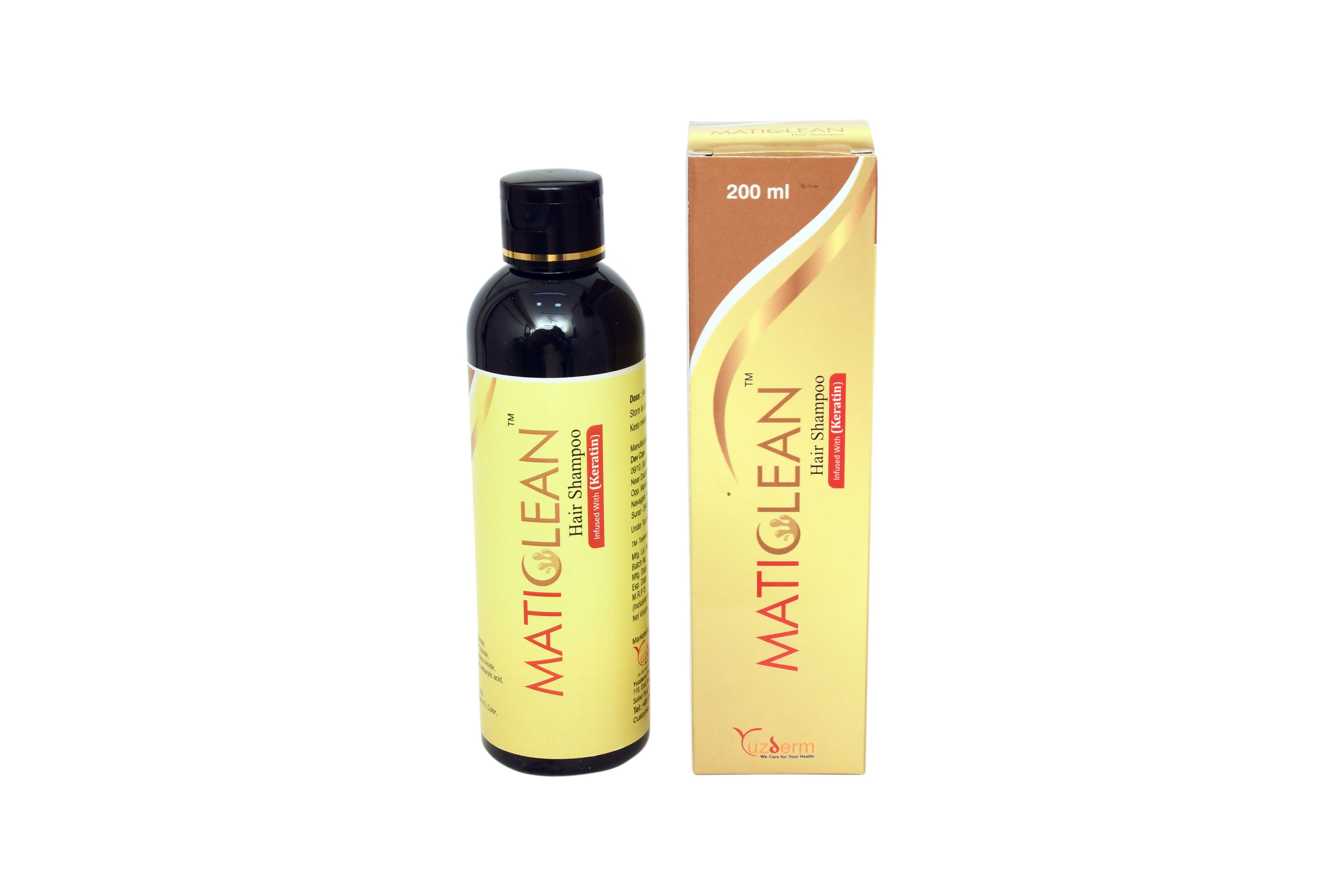 | Hair Care ₹329 Maticlean is a specialized hair care product marketed under the Yuzderm brand. View product → |
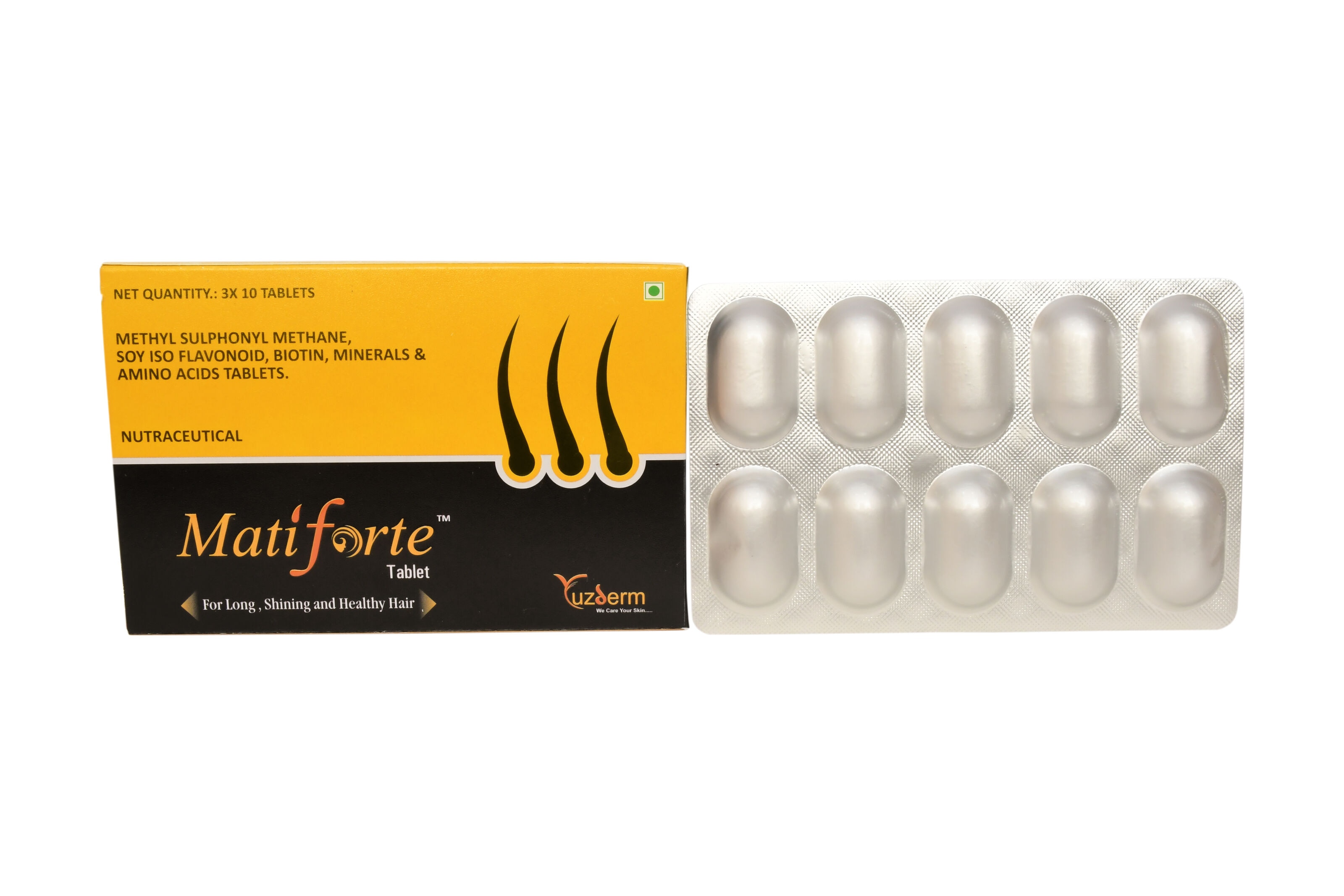 | Hair Care ₹168 strenghthens keratin in hair and influences hair growth, strengthens hair follicles allows hair follicles to absorb vitamins and minerals prevent... View product → |
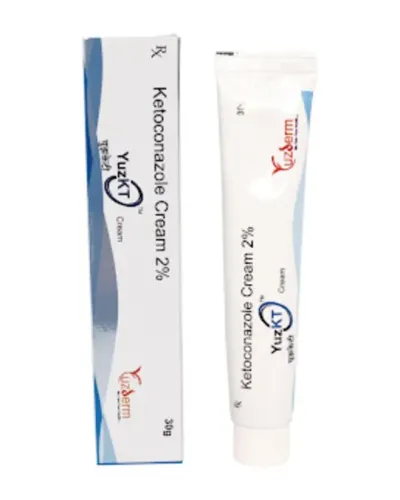
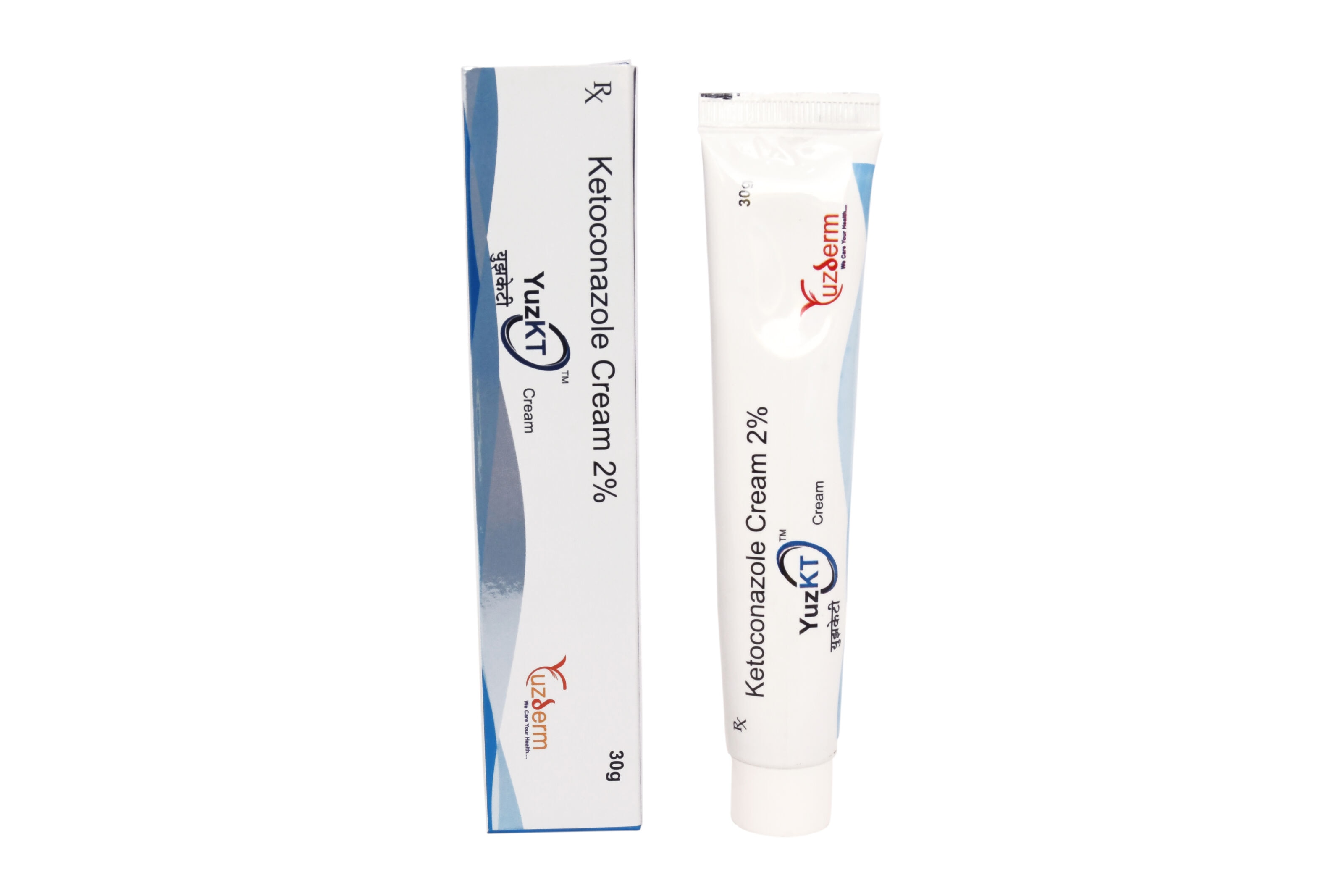 | Skin Care ₹103 Ketoconazole 2% cream is primarily prescribed to treat a variety of fungal and yeast infections of the skin, including: Athlete’s Foot (Tinea pedis)... View product → |
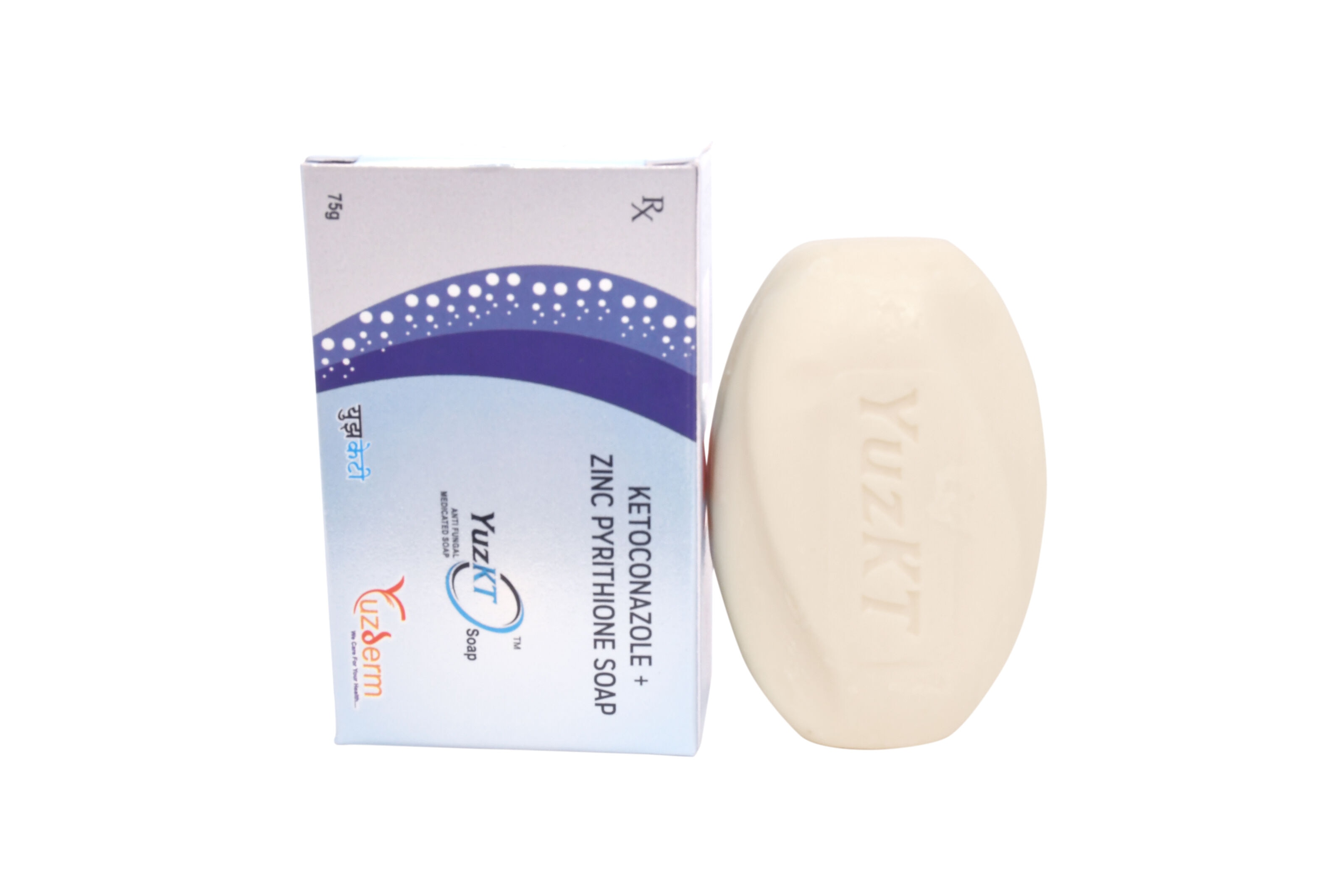 | Skin Care ₹96 Dandruff & Seborrheic Dermatitis: Helps with itchy, flaky skin on the scalp or body. View product → |