A vitamin C serum can improve antioxidant protection and surface brightness, but fading post-inflammatory pigmentation takes consistent use, trigger control, and time. By the end, you will know which vitamin C form and formula details to compare, how to apply it without unnecessary irritation, and when sunscreen or a more targeted pigment treatment matters more.
Key takeaways
- Choose L-ascorbic acid at 10–20% in an opaque, airtight package.
- Apply vitamin C to dry skin before moisturiser and sunscreen.
- Start every other morning if your skin is sensitive or reactive.
- Use broad-spectrum SPF 30 or higher to protect pigmentation results.
What can vitamin C actually improve in pigmentation and dull skin?
Topical vitamin C can brighten dull skin, but it does not scrub pigment away. L-ascorbic acid reduces oxidized melanin intermediates and interferes with tyrosinase-dependent melanogenesis, the enzyme pathway involved in new melanin production. Its antioxidant action supports a brighter-looking surface, creating several vitamin C serum benefits without acting like an instant exfoliant.
Surface dullness may look better before pigmentation changes. A subtle freshening effect can appear after repeated use, while post-inflammatory hyperpigmentation, tanning, and uneven tone usually need weeks to months; this is the realistic uneven skin tone improvement timeline.
Vitamin C for pigmentation has a smaller, less standardized clinical evidence base than promotional claims suggest, because studies often use small groups, short follow-up, combination formulas, or different strengths.
Pigment can persist when its trigger continues:
- Acne or eczema inflammation
- Picking or repeated skin injury
- Hormonal changes or melanogenesis-promoting medicines
- Ultraviolet exposure and, especially in melasma, visible light
Control those drivers with appropriate treatment and photoprotection. Otherwise, ongoing pigment production can offset the gradual brightening vitamin C provides.
Which vitamin C form, strength, pH, and package should you choose?
Choose the form before judging the vitamin C concentration. An L-ascorbic acid serum usually targets 10–20% at a vitamin C serum pH below 3.5, where the uncharged molecule penetrates more readily. That improves delivery but also raises stinging and irritation risk.
| Form | Typical reason to choose it | What the percentage does not tell you |
|---|---|---|
| L-ascorbic acid | Strongest direct evidence and penetration | Above roughly 20% does not reliably add benefit and can increase irritation |
| 3-O-ethyl ascorbic acid | Stability and tolerability | Its percentage is not equivalent to L-ascorbic acid |
| Sodium ascorbyl phosphate | Water stability and gentler use | Skin conversion, delivery, and clinical evidence differ |
| Magnesium ascorbyl phosphate | Mildness and formulation stability | A higher printed percentage does not prove a higher delivered dose |
| Ascorbyl glucoside | Stable derivative for gradual conversion | Conversion to active ascorbic acid remains formulation- and skin-dependent |
This vitamin C derivative comparison matters because derivatives require conversion and have separate clinical evidence. Ask for stability, delivery, and controlled outcome data rather than treating the label’s vitamin C concentration as proof of performance. Yuzderm Pharmaceuticals Pvt.
Ltd. applies that kind of formulation assessment when weighing delivery, tolerability, and stability instead of relying on a printed percentage.
Heat, light, oxygen, alkaline pH, and trace metals accelerate oxidation. Prefer an opaque or UV-protective airless container with low headspace; a repeatedly opened clear dropper bottle in a warm bathroom is a harsher choice. Yellow, orange, or brown color signals oxidation, though color alone cannot measure remaining potency.
Related product
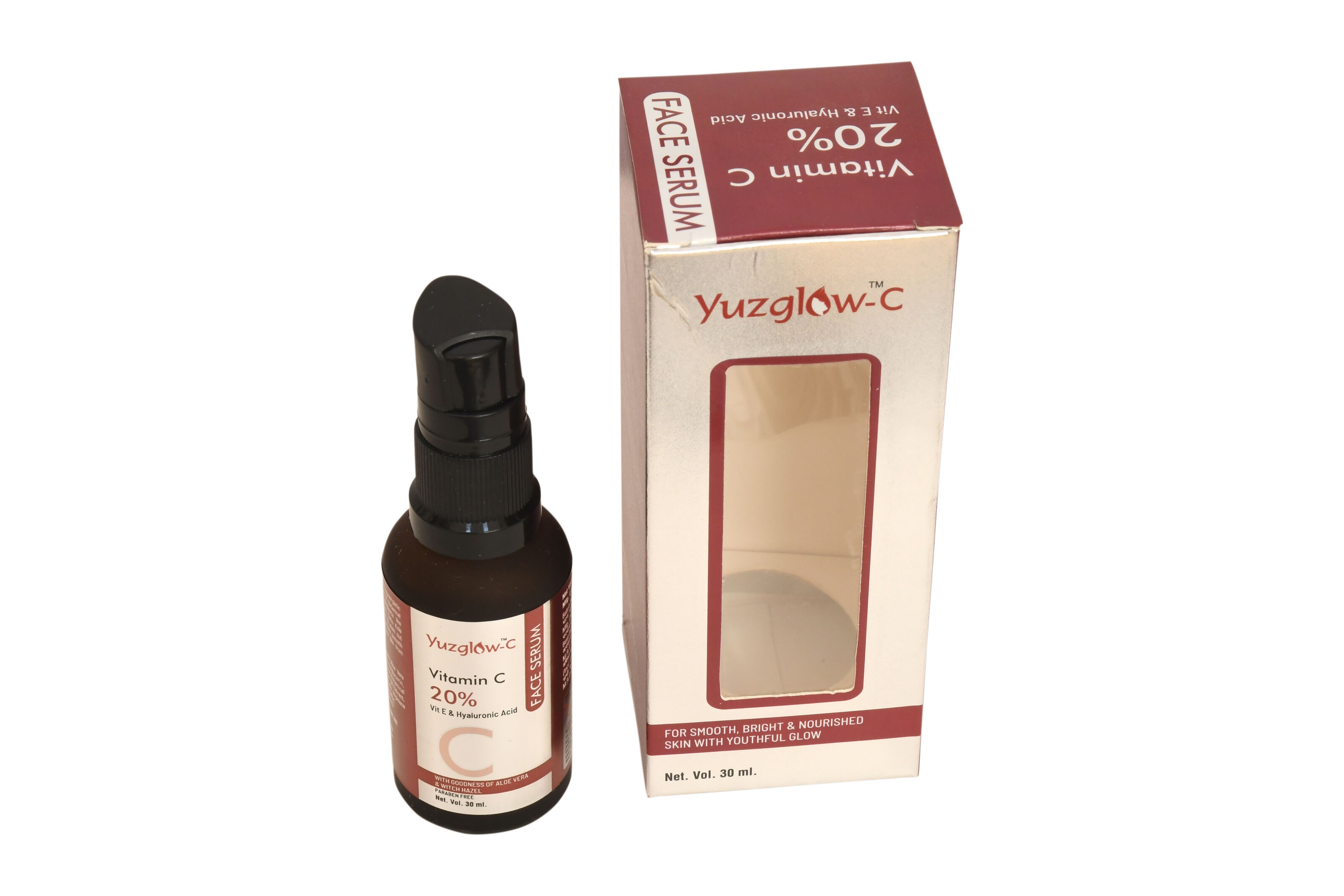 | Skin Care ₹1330 Vitamin C (20%): A high concentration used for brightening the complexion, reducing hyperpigmentation, and stimulating collagen production. View product → |
How should you apply vitamin C serum in a daily routine?
Apply vitamin C serum after cleansing and letting your skin dry completely. Use a small amount across the face, avoiding the eyelids and any broken skin. For vitamin C serum before or after moisturiser, apply it before moisturiser; in the morning, finish with broad-spectrum sunscreen.
Clean, dry skin is the safer default for low-pH L-ascorbic acid because damp skin can increase penetration and make stinging more likely. To introduce it, use the serum every other morning or two to three times weekly, then increase frequency only if your skin remains comfortable.
- Cleanse with a gentle product and pat dry.
- Apply a thin layer of serum across the face.
- Follow with moisturiser.
- Add broad-spectrum sunscreen in the morning; vitamin C and sunscreen complement each other, but the serum does not replace sunscreen.
- Avoid layering it with strong exfoliating acids, benzoyl peroxide, or a retinoid when your routine already causes dryness.
Vitamin C serum morning or night? Either can work, but morning use pairs the antioxidant with daytime sunscreen.
| Option | Advantage | Practical choice |
|---|---|---|
| Morning | Antioxidant support during daytime exposure | Use before moisturiser and sunscreen |
| Night | Works without competing morning layers | Use after cleansing and drying, before moisturiser |
Stop combining products that produce persistent burning, redness, or peeling. Simplify the routine until your skin settles, then reintroduce vitamin C less often.
How do you prevent irritation and judge whether the serum is working?
A tingle is not proof that vitamin C is working. Stop the serum if burning, swelling, or dermatitis develops; pause it when stinging, redness, dryness, or peeling persists.
| Symptom | What to do now | Restart plan |
|---|---|---|
| Vitamin C serum stinging that fades quickly | Reduce frequency and apply after skin dries | Use two or three times weekly |
| Persistent redness, dryness, or vitamin C serum peeling | Pause the serum; use a gentle cleanser and plain moisturiser | Restart less often after the barrier settles |
| Burning, swelling, or dermatitis | Discontinue the product | Seek medical advice before trying another formula |
Irritation itself can deepen post-inflammatory hyperpigmentation by triggering inflammation, especially in darker phototypes and skin affected by acne, eczema, picking, or a damaged barrier. After comfort returns, restart less often or choose a lower-strength or derivative-based formula; consistent use without inflammation beats a stronger formula you cannot tolerate.
Assess comfort and surface brightness after several weeks. Judge pigment change over roughly eight to twelve weeks using photographs taken in the same room, lighting, camera position, and skin condition.
That is a practical answer to how long vitamin C takes to work: brightness may appear earlier, while uneven pigmentation needs longer and can remain unchanged if acne, eczema, picking, or sun exposure continues.
Why does sunscreen determine the result, and when is vitamin C not enough?
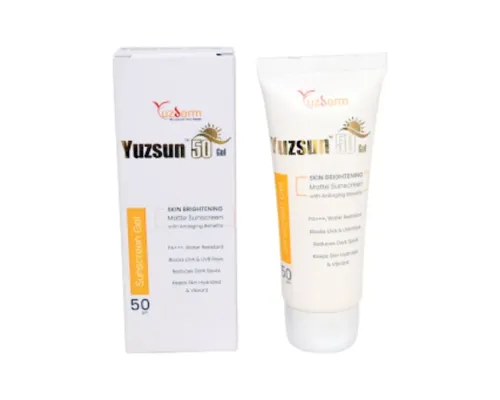
A vitamin C serum cannot outwork daily broad-spectrum sunscreen. Choose SPF 30 or higher with strong UVA protection for pigmentation, because UV exposure sustains tanning, dark spots, and uneven tone even while L-ascorbic acid reduces oxidative stress.
Apply about two finger-lengths of sunscreen to the face and neck each morning. Reapply every two hours during outdoor exposure, and after sweating, swimming, or wiping your face. Visible light can worsen melasma and facial hyperpigmentation, especially in deeply pigmented skin.
A tinted sunscreen containing iron oxides can therefore offer more useful visible-light protection than an untinted UV-only product; vitamin C does not provide that iron-oxide protection.
Vitamin C is an antioxidant and brightening adjunct, not a direct substitute for pigment-focused treatment. Compare vitamin C versus azelaic acid and retinoids with a dermatologist when marks persist:
| Option | Best fit | Important limitation |
|---|---|---|
| Vitamin C | Mild dullness and uneven tone alongside sunscreen | Does not control every pigment pathway |
| Azelaic acid or niacinamide | Post-inflammatory marks and sensitive, acne-prone skin | Results require consistent use |
| Retinoids or kojic acid | Persistent discoloration needing stronger cell-turnover or pigment control | Irritation can deepen marks |
| Hydroquinone | Short-term treatment of stubborn pigmentation under professional supervision | Requires careful duration and monitoring |
Persistent melasma or recurrent post-inflammatory marks need trigger control too. Treat acne, eczema, picking, irritating procedures, hormonal drivers, and ongoing light exposure; otherwise pigment can return despite a well-formulated serum.
Frequently asked questions
What can vitamin C actually improve in pigmentation and dull skin?
Topical vitamin C can support a brighter appearance, reduce the look of uneven tone, and help limit new melanin production. It does not scrub away existing pigment or produce instant results.
Which vitamin C form, strength, pH, and package should you choose?
L-ascorbic acid has the strongest direct evidence for topical use. Look for 10–20% concentration, an acidic formula around pH 3 to 4, and an opaque, airtight, light-resistant package.
How should you apply vitamin C serum in a daily routine?
Apply a few drops to clean, dry skin in the morning, then use moisturiser and broad-spectrum sunscreen. Keep the serum away from the eyes and follow the product label.
How do you prevent irritation and judge whether the serum is working?
Begin every other morning, patch-test first, and stop if burning or persistent redness develops. Assess photos in consistent lighting after several weeks rather than judging day-to-day changes.
Why does sunscreen determine the result, and when is vitamin C not enough?
Daily broad-spectrum SPF 30 or higher reduces ultraviolet exposure that can worsen pigmentation and undermine treatment. Seek professional assessment when pigmentation is spreading, painful, changing quickly, or unchanged after consistent care.