A shampoo choice becomes easier when you separate two problems: damage in the hair shaft and a condition affecting the scalp. By the end, you will be able to assess both, compare cleansing and conditioning ingredients, choose a washing method, and recognise when a cosmetic shampoo is not enough.
Key takeaways
- Inspect your scalp and hair lengths separately before choosing a shampoo.
- Use a scalp-matched shampoo and keep rough washing away from damaged lengths.
- Compare formulas by cleansing, conditioning, and treatment functions—not one headline ingredient.
- Choose anti-dandruff shampoo or dermatology care when flakes, itching, or redness persist.
First decide whether the problem is in your hair, your scalp, or both
A problem limited to the hair shaft points to damaged hair; itching, redness, pain, or persistent flakes point to the scalp. You can have both, so inspect the skin and lengths separately before choosing a shampoo.
- Check the lengths for split ends, rough texture and tangling, raised-feeling cuticles, increased porosity, loss of elasticity, and short broken hairs. Bleaching, colouring, straightening, frequent heat styling, and tight hairstyles strengthen the case for shaft damage.
- Check the scalp for oiliness, tight dryness, burning, tenderness, redness, greasy or powdery scale, and recurring itch. These findings suggest a scalp-care need rather than a shampoo aimed only at cosmetic smoothness.
- Compare wet and dry behaviour. Hair that stretches excessively, snaps during gentle combing, or forms knots along the lengths has a breakage problem; a scalp that becomes itchy or flaky between washes needs separate attention.
- Look for symptoms in both places. A clean-feeling scalp does not cancel damaged ends, and smooth lengths do not rule out dandruff or irritation.
| Finding | More consistent with damaged hair | More consistent with a scalp condition |
|---|---|---|
| Location | Mid-lengths and ends feel coarse or knot easily | Itch, scale, redness, or oil at the skin |
| Trigger | Chemical processing, heat, friction, or brushing | Washing pattern, product irritation, or recurring flaking |
| Shampoo goal | Reduce friction and protect the hair shaft | Clean the scalp or treat a diagnosed condition |
A shampoo can improve feel but cannot fuse split ends or restore destroyed keratin. Choose the cleanser for the scalp, then judge conditioning performance on the lengths.
Match the shampoo to your scalp and wash without adding breakage
Wash according to scalp oil and symptoms, not the condition of your lengths. An oily scalp may need daily washing, while a dry scalp can often go two or three days between washes if it remains comfortable.
| Scalp pattern | Washing frequency | Application |
|---|---|---|
| Oily scalp | Daily or every other day, when roots feel greasy | Work shampoo into scalp and roots |
| Dry scalp | Every two or three days, if comfortable | Use gentle pressure; keep lather off the ends |
| Itchy scalp | Follow the product directions; do not extend washes if symptoms worsen | Massage the scalp, not the scratched skin |
| Flaky scalp care | Follow the treatment schedule on the label | Give the active shampoo its stated contact time |
Use enough shampoo to create a thin lather across your scalp—start with a coin-sized amount for short or fine hair and add a small amount for dense hair. Divide thick hair into sections rather than pouring on a large quantity at once.
Apply shampoo mainly at the scalp and roots. Let the lather run through the lengths as you rinse; scrubbing damaged ends increases friction and breakage. Detangle with conditioner, not while shampoo is being rubbed in, and avoid pulling wet hair tight.
Rinse ordinary shampoo for about 30–60 seconds, moving your fingers through the roots until no slippery or foamy residue remains. A medicated shampoo needs its stated contact time before rinsing; washing it off immediately reduces exposure.
Compare shampoo formulas by their job, not by one headline ingredient
Choose the formula for the job: reduce friction on damaged lengths, cleanse buildup, calm sensitivity, or treat dandruff. A shampoo can improve softness and manageability, but it cannot rebuild a fractured cuticle or restore destroyed cortical keratin.
| Formula job | What to look for | Main trade-off |
|---|---|---|
| Damaged, rough lengths | Mild cleansing agents, conditioning polymers, dimethicone, and a mildly acidic pH of 4.5–5.5 | Heavy deposition can flatten fine hair and require stronger periodic cleansing |
| Moisture and frizz control | Humectants such as glycerin, plus lipids and silicones that reduce friction and moisture exchange | Excess humectant or film-formers can leave hair limp or coated in humid conditions |
| Weak, porous hair | Keratin and hydrolyzed proteins for temporary film-forming and improved feel | Frequent protein-heavy use can make some hair feel stiff or brittle |
| Buildup or oily roots | A more thorough cleanser used occasionally, rather than a heavy conditioning shampoo every wash | Over-cleansing can increase dryness, tangling, and scalp discomfort |
| Sensitive scalp | Fragrance-free, dye-free formulas with mild cleansing agents and a short ingredient list | Persistent burning or itching needs scalp assessment, not repeated product switching |
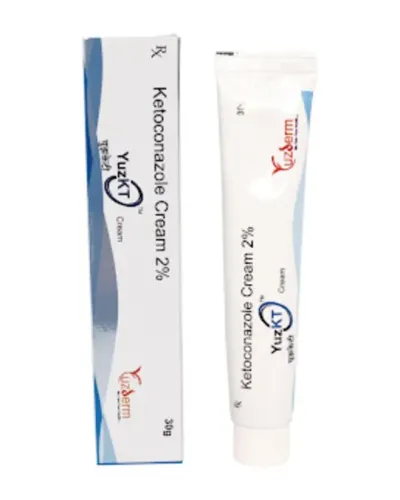
| Dandruff or seborrhoeic dermatitis | A medicated active such as ketoconazole, selenium sulfide, zinc pyrithione, ciclopirox, or salicylic acid | Permitted actives and concentrations differ by country |
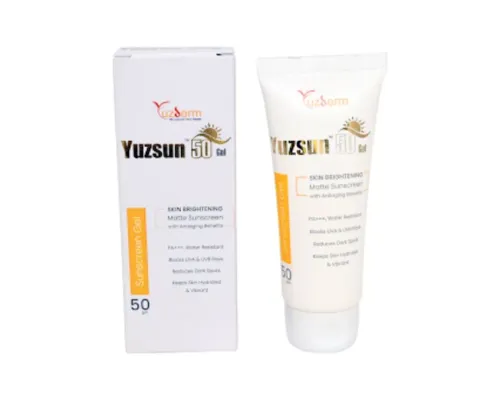
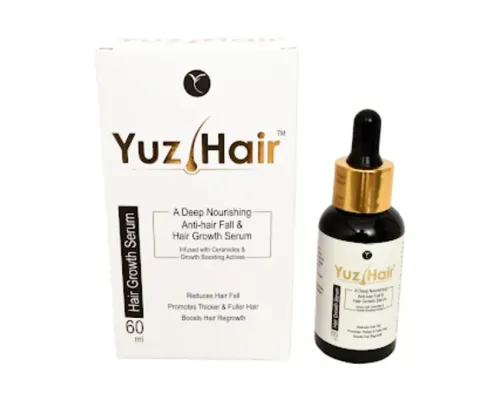
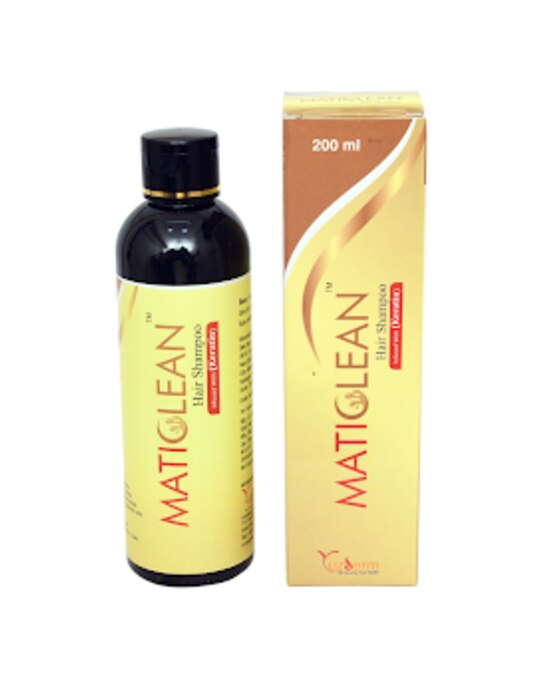
Conditioning polymers deposit mainly on negatively charged damaged fibres; dimethicone forms a hydrophobic film, so they are complementary rather than interchangeable. If assessing a keratin-led product from Yuzderm Pharmaceuticals Pvt. Ltd., compare the complete ingredient list and repeated-wash results, not keratin’s position on the label.
Related product
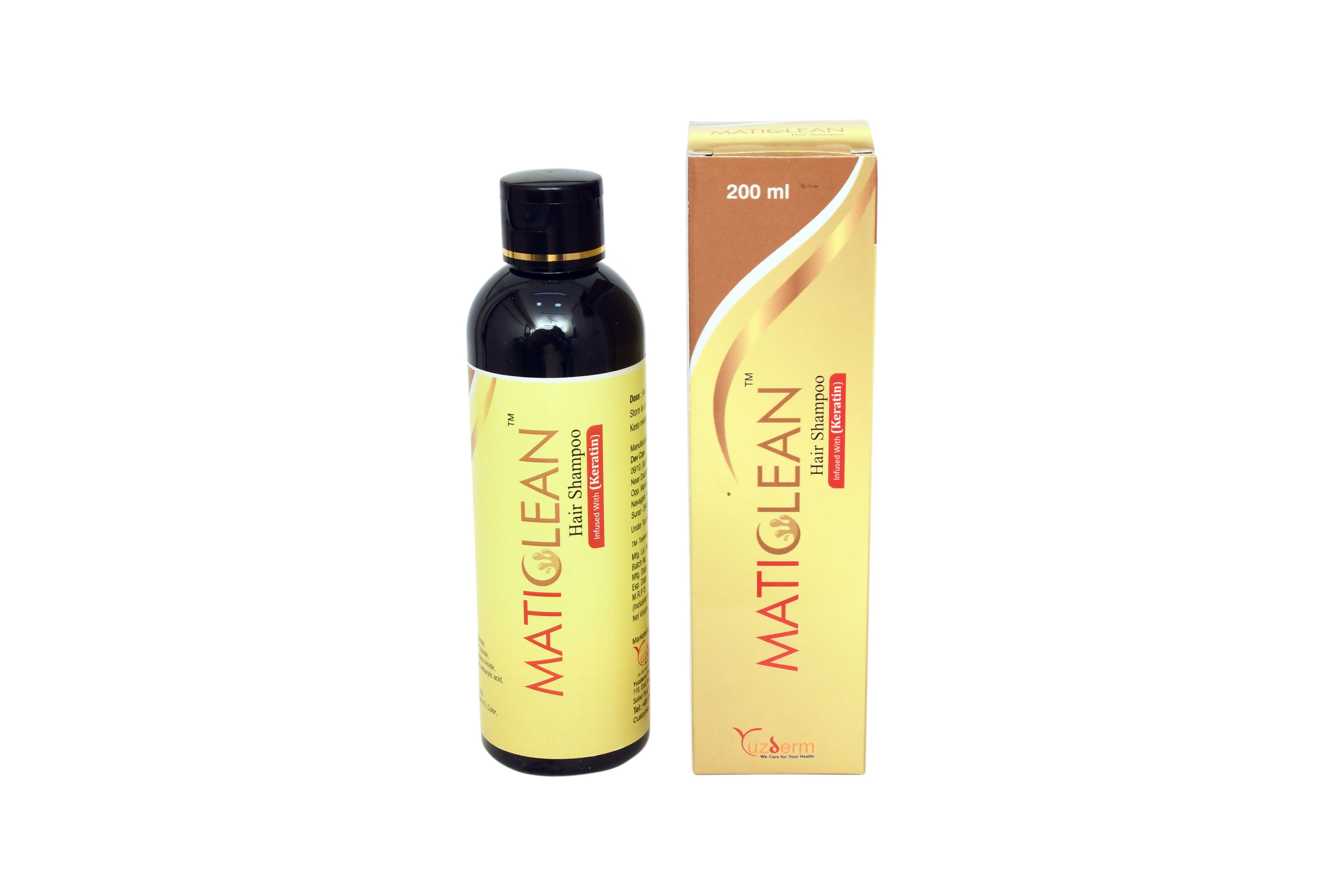 | Hair Care ₹329 Maticlean is a specialized hair care product marketed under the Yuzderm brand. View product → |
Build a routine that protects damaged lengths without overloading the scalp
Keep cleansing at the scalp and put conditioning products on the lengths. A shampoo can reduce friction and improve feel, but it cannot rebuild fractured cuticles or restore destroyed keratin.
Build the routine in this order:
- After each wash, apply a conditioner for damaged hair from mid-lengths to ends. Leave it for the label’s stated time, then rinse thoroughly; avoid the roots if your scalp becomes greasy or coated.
- Once weekly, replace regular conditioner with a deep-conditioning mask. Do not routinely layer both, because extra residue can flatten fine hair and make the scalp feel oily.
- Press water from the hair, then apply a leave-in conditioner to damp mid-lengths and ends. Detangle from the tips upward with low tension rather than pulling through knots.
- Use a small amount of oil on dry ends, or apply it before shampoo as a pre-wash treatment. Keep oil off an itchy, flaky, or acne-prone scalp unless a clinician advises it.
- Use protein intermittently when hair feels weak, overly stretchy, or breaks easily. Alternate it with moisture-focused conditioning; excessive protein can leave strands stiff and brittle.
- Apply heat protection evenly before blow-drying, straightening, or curling. Lower heat and fewer passes matter more than adding oil afterward, since oil is not a substitute for heat protection.
Stop adding products when hair feels coated, limp, or harder to rinse. That residue can encourage harsher washing and create a cycle of more breakage.
Know when an anti-dandruff shampoo or dermatologist is the better choice
Choose a medicated shampoo when flakes return with itching, redness, or greasy scale—not merely when your lengths feel rough. A moisturizing formula can improve damaged hair’s feel, but it will not control seborrhoeic dermatitis.
| Active | Main role | When to choose |
|---|---|---|
| Ketoconazole shampoo | Antifungal treatment | Recurring dandruff or suspected seborrhoeic dermatitis |
| Selenium sulfide | Reduces fungal activity and scaling | Persistent oily flakes, when permitted on the local label |
| Zinc pyrithione | Helps control dandruff | Mild to moderate recurrent flaking, where available |
| Salicylic acid | Loosens adherent scale | Thick, stuck-on flakes; it is not a substitute for an antifungal |
Follow the product directions rather than using a medicated shampoo at every wash. A common ketoconazole shampoo course is twice weekly for 2–4 weeks, followed by less frequent maintenance if needed; leave it on the scalp for the stated contact time before rinsing. Salicylic acid can increase dryness or burning when overused.
Arrange a dermatologist assessment if you have:
- Persistent inflammation, marked pain, pustules, or oozing
- Patchy hair loss or broken hairs
- Thick plaques that do not clear
- Burning after a new product
- No improvement after completing an appropriate labelled course
These signs can indicate psoriasis, tinea capitis, allergic contact dermatitis, or another condition requiring diagnosis rather than more shampoo experimentation.
Frequently asked questions
How can you tell whether the problem is damaged hair or a scalp condition?
Damaged hair affects the shaft and causes dryness, roughness, split ends, or breakage. Itching, redness, pain, and persistent flakes point to a scalp problem. Inspect both areas because you can have both.
How should you wash damaged hair without causing more breakage?
Apply shampoo mainly to the scalp, massage gently with your fingertips, and let the rinse clean the lengths. Use lukewarm water, avoid scratching, and handle wet hair carefully because it breaks more easily.
How should you compare shampoos for damaged hair?
Judge each formula by its job: scalp cleansing, dandruff treatment, moisture support, or reduced friction. Check the full ingredient list and your scalp response instead of choosing based on one headline ingredient.
When should you use an anti-dandruff shampoo or see a dermatologist?
Use an anti-dandruff shampoo when persistent flakes, itching, or scalp scaling are the main problem. See a dermatologist for pain, marked redness, sores, hair loss, or symptoms that do not improve with proper use.