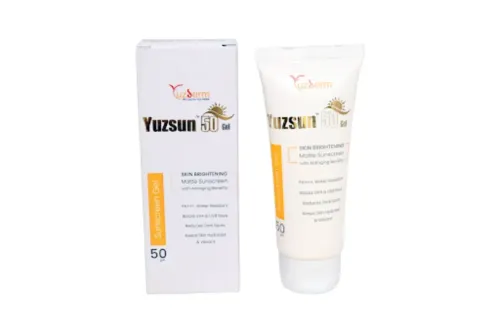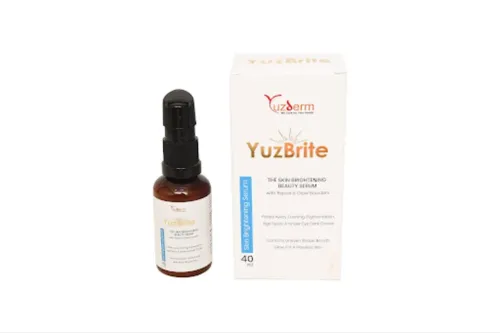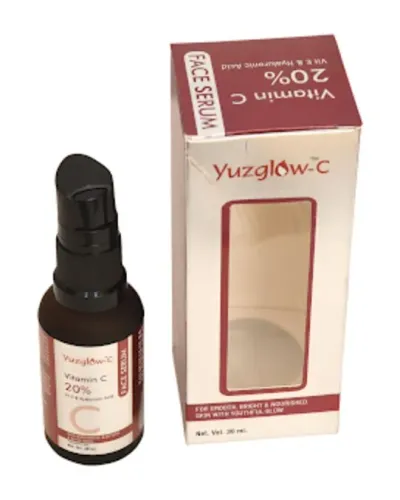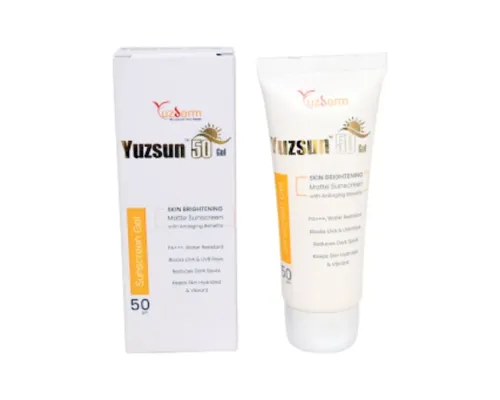
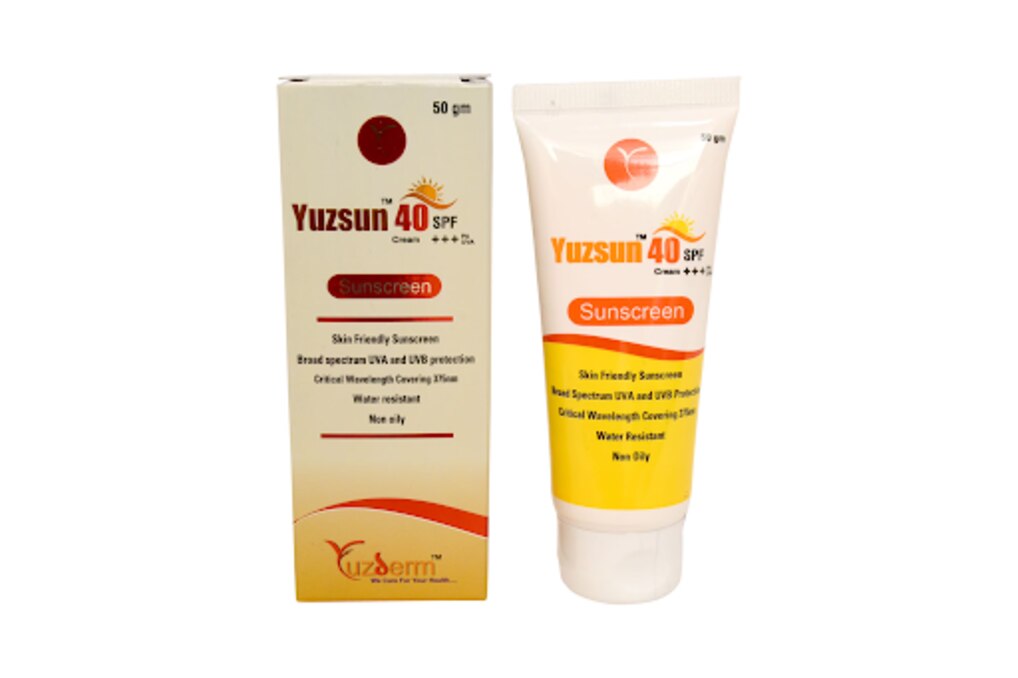
A vitamin C serum can support a more even-looking complexion by influencing pigment-related processes and helping neutralise reactive oxygen species generated by environmental stress. To use one well, you need to match the vitamin C form to your skin, introduce a high-strength formula gradually, protect the product from oxidation, and keep sunscreen in the routine.
Key takeaways
- Choose a stable vitamin C form in opaque, well-sealed packaging.
- Introduce a 20% serum gradually and stop if persistent irritation develops.
- Expect gradual brightening, not rapid bleaching or pigment removal.
- Seek medical assessment for changing, bleeding, or unexplained dark marks.
How vitamin C supports brighter-looking skin and antioxidant protection
Topical vitamin C can support a brighter-looking appearance through two related actions: it interferes with melanogenesis, including tyrosinase-related steps, and helps limit oxidative processes that contribute to uneven pigmentation. The result is gradual improvement in the appearance of dyschromia, not rapid bleaching or pigment removal.
As an antioxidant, vitamin C helps neutralise reactive oxygen species (ROS) generated by sun exposure and other sources of skin stress. This antioxidant protection can reduce the oxidative burden that worsens visible uneven tone and can complement sunscreen. It does not absorb UV like an SPF, prevent every sun-induced change, or replace broad-spectrum sunscreen.
A controlled photoprotection study found that adding ferulic acid to a vitamin C and vitamin E system improved chemical stability and approximately doubled protection against UV-induced erythema compared with the vitamins without ferulic acid. That finding supports sunscreen use; it does not turn a serum into sun protection.
L-ascorbic acid is chemically vulnerable, so degradation can reduce delivery even when the label shows a high percentage. It breaks down faster with:
- Oxygen, light, heat, alkaline pH, and trace transition metals.
Evidence for one vitamin C derivative cannot automatically be applied to another. Penetration, stability, conversion to ascorbic acid, and clinical testing differ, so expect steady use and gradual change rather than an overnight result.
Why the vitamin C form, pH, and packaging matter
A percentage on the label does not tell you whether a serum will deliver vitamin C effectively. Check the chemical form, the formula’s pH, the container, and evidence from the finished product—not just studies on a different vitamin C ingredient.
| Form | Formulation clue | What to verify |
|---|---|---|
| L-ascorbic acid | Low-pH formula, commonly near pH 3.5 or below | Ask for stability data and the stated concentration |
| Sodium ascorbyl phosphate | More stable derivative suited to a higher pH | Look for testing on this derivative, not L-ascorbic acid |
| Magnesium ascorbyl phosphate | Derivative often used in near-neutral formulas | Check the finished product’s assay and clinical support |
| 3-O-ethyl ascorbic acid | Stable derivative with activity dependent on its specific behaviour in skin | Confirm evidence for this ingredient and formula |
For L-ascorbic acid, pH 3.5 or lower produced substantially greater skin penetration than the same concentration at pH 5.5 in a classic human-skin study. Increasing the concentration beyond roughly 20% did not produce proportionally greater tissue levels, so a higher number is not automatically better. That low-pH rule does not apply universally to derivatives.
Packaging protects delivery after manufacture. Choose an opaque or dark container with a tight pump, little headspace, and minimal air exposure; repeated opening of a transparent, oxygen-permeable bottle can degrade a well-designed formula. Yellow, orange, or brown colour suggests oxidation, but appearance cannot prove potency.
Prefer brands that can document real-time and accelerated stability testing, including vitamin C assay and degradation products.
How to introduce a 20% vitamin C serum without over-irritating skin
A 20% vitamin C serum is best introduced slowly, especially if it contains low-pH L-ascorbic acid. Stinging, redness, tightness, and peeling become more likely on dry, sunburned, or already irritated skin, so build tolerance rather than forcing daily use.
1. Apply a small amount behind your ear or on your inner forearm for two days as patch testing. If you develop swelling, intense itching, or a spreading rash, do not apply it to your face.
2. Start with two or three alternate mornings each week. Use a few drops on clean, completely dry skin, avoiding your eyelids, nostril creases, and lips.
3. Wait until the serum has absorbed, then apply moisturiser and sunscreen. Choose broad-spectrum sunscreen; vitamin C supports antioxidant protection but does not replace reliable ultraviolet protection.
4. Keep the first weeks simple. Do not apply the serum in the same routine as a retinoid, exfoliating acid, or benzoyl peroxide until your skin tolerates vitamin C alone.
5. Increase to every morning only after several applications cause no persistent burning, redness, or peeling. If irritation appears, stop until your skin settles, then restart less often or use a lower-strength formula.
A brief, mild tingle can occur with an acidic serum, but pain or lasting redness is a warning to reduce frequency. Store the bottle tightly closed and away from heat and direct light; an oxidised formula can irritate skin and lose effectiveness.
When to expect results—and when a dark mark needs medical assessment
Expect a vitamin C results timeline of about 4 to 8 weeks for a modest brighter-looking tone. Uneven pigmentation needs repeated use because epidermal turnover and pigment clearance take time; assess the result after 8 to 12 weeks, not after a few applications.
Continued broad-spectrum sunscreen matters, because ultraviolet exposure can darken the same areas again.
| Concern | What to expect | When to seek assessment |
|---|---|---|
| Uneven tone | Gradual improvement over 4–12 weeks; short-term glow can reflect hydration or light reflection rather than pigment change | Ask a dermatologist if there is no improvement after about 12 weeks of consistent use |
| Post-inflammatory pigmentation | Marks left by acne, eczema, burns, or irritation often fade over several months once the trigger is controlled | Seek advice if new spots keep appearing, the underlying inflammation persists, or marks continue darkening |
| Melasma | Patchy facial pigmentation can relapse and often needs a treatment plan beyond a serum | See a dermatologist for diagnosis and a tailored regimen, especially when patches involve the cheeks, forehead, upper lip, or jaw |
| A changing or unusual dark mark | A vitamin C serum is not a diagnostic treatment | Arrange prompt assessment if it changes in size, shape, or colour, or bleeds, crusts, itches, or fails to heal |
Stop the serum if burning, swelling, or a persistent rash develops. Do not increase application to chase faster results; irritation can prolong post-inflammatory pigmentation and make uneven tone harder to judge.
What to check before choosing a vitamin C serum
Start with the vitamin C serum label, not the percentage alone. Check the exact form, concentration, ingredient order, pH, and whether the product names supporting antioxidants such as vitamin E or ferulic acid. A 20% claim means little if the form, testing, and container are unclear.
| Form | Label clue | What it means for comparison |
|---|---|---|
| L-ascorbic acid | “L-ascorbic acid” or “ascorbic acid” | Directly active, but usually more sensitive to oxygen, light, and low-pH irritation |
| Sodium ascorbyl phosphate | “Sodium ascorbyl phosphate” | A derivative that can be easier to formulate near a skin-friendly pH; evidence is specific to this form |
| Magnesium ascorbyl phosphate | “Magnesium ascorbyl phosphate” | A derivative whose performance cannot be assumed from L-ascorbic-acid studies |
| 3-O-ethyl ascorbic acid | “3-O-ethyl ascorbic acid” | A derivative requiring product-specific evidence for release, conversion, and results |
Look for finished-product stability data based on vitamin C assay and degradation products under real-time and accelerated conditions. Yellow, orange, or brown color can signal oxidation in an L-ascorbic-acid serum, but appearance alone cannot confirm potency. Airless packaging, limited headspace, opaque material, and clear storage instructions add protection.
- The tested pH and vitamin C assay over the stated shelf life
- Storage temperature and the period after opening
- Clinical or instrumental data on the finished formula, not another vitamin C form
For a serum from Yuzderm Pharmaceuticals Pvt. Ltd., these details help you judge the formula rather than relying on its strength claim. Use the product alongside, never instead of, broad-spectrum sunscreen.
Related product
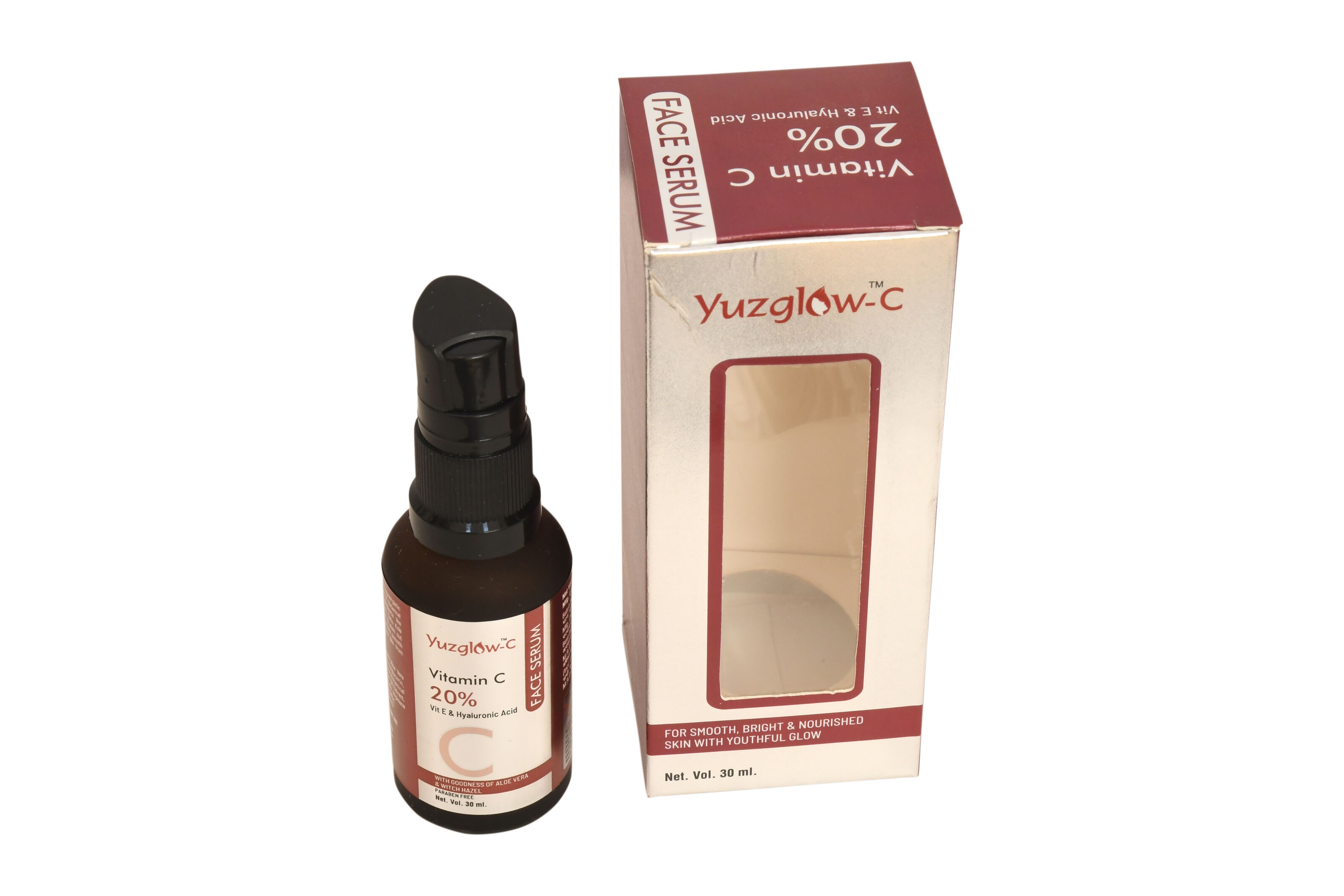 | Skin Care ₹1330 Vitamin C (20%): A high concentration used for brightening the complexion, reducing hyperpigmentation, and stimulating collagen production. View product → |
Frequently asked questions
How does vitamin C support brighter-looking skin?
Topical vitamin C can interfere with melanogenesis, including tyrosinase-related steps, while helping limit oxidative processes linked to uneven pigmentation.
Why do vitamin C form, pH, and packaging matter?
The vitamin C form affects stability and skin delivery, while pH influences tolerability and packaging helps limit exposure to light, air, and moisture.
How should you introduce a 20% vitamin C serum?
Apply it gradually to clean, dry skin, use a small amount, moisturise afterward, and reduce or stop use if burning, redness, or persistent irritation occurs.
When should a dark mark receive medical assessment?
Seek assessment for a mark that changes, bleeds, becomes painful, develops uneven borders, or persists without a clear explanation.