A cosmeceutical sits between everyday personal care and medically oriented treatment, but the label alone does not prove that a product works or is regulated as a medicine. By the end, you will know how to classify a product, assess its ingredients and evidence, choose a suitable routine for skin or hair concerns, and recognise when professional care is more appropriate.
Key takeaways
- The word cosmeceutical does not prove approval, safety, or clinical effectiveness.
- Match each active ingredient to the concern and the product’s route of use.
- Check the formula, packaging, evidence, batch details, and directions before buying.
- Treat hair-fibre conditioning separately from scalp and follicle care.
What “cosmeceutical” means—and what it does not mean
A cosmeceutical is a topical product positioned between beauty care and medicine: it contains biologically active ingredients and promises a measurable skin or hair benefit. That cosmeceutical definition has no single legal status in the United States, so the word itself does not prove clinical effectiveness, safety, or regulatory approval.
Cosmetics versus cosmeceuticals is mainly a positioning distinction, not a universal legal one.
| Category | Main purpose | What determines its status |
|---|---|---|
| Cosmetic | Cleanse, beautify, moisturise, or alter appearance | Claims focus on appearance, cleansing, conditioning, or manageability |
| Cosmeceutical | Offer a cosmetic benefit through active ingredients | The formula, claims, labelling, and local law determine whether it remains a cosmetic or becomes a drug |
| Over-the-counter drugs | Treat, prevent, or affect a recognised condition without an individual prescription | An authorised monograph or another regulator-approved pathway; US sunscreen SPF claims fall here |
| Prescription medicines | Treat disease or alter body function under professional direction | Prescription-only classification and approved indications; topical tretinoin is an example |
| Nutraceutical | Deliver an oral nutritional or wellness ingredient | Route and intended use; it is not automatically a topical cosmeceutical |
Read the claim, not the front-label nickname. “Regrows hair,” “treats acne,” or “prevents disease” can trigger drug requirements, while retinol, retinaldehyde, moisturisers, and conditioning agents are commonly sold in cosmetic products. Oral capsules or tablets marketed for skin or hair wellness are nutraceuticals, not cosmeceuticals, unless a jurisdiction defines them otherwise.
Match the product to the concern and the route of use
Choose the route by asking where the problem starts. Topical cosmeceuticals act on skin or the hair fibre; oral wellness products act through digestion and systemic exposure. Do not use an oral product to replace a proven topical or medical treatment without identifying the cause first.
| Concern | Usually start with | Route decision |
|---|---|---|
| Acne | A simple acne skincare routine with cleanser, non-comedogenic moisturiser, sunscreen, and an appropriate active | Use topical care for local lesions; seek medical advice for painful, widespread, or scarring acne before adding oral treatment. |
| Pigmentation | Daily broad-spectrum sunscreen and a targeted topical formula | Topicals fit uneven colour; investigate new or changing patches rather than treating them blindly. |
| Dryness | A fragrance-free moisturiser with humectants, emollients, and barrier-supporting ingredients | Topical care is the direct route; oral nutraceuticals do not replace water loss control at the skin surface. |
| Photoageing | Sunscreen, moisturiser, and a well-tolerated topical retinoid alternative such as retinol | Choose topical care for lines, texture, and sun damage; persistent or severe changes need a clinician. |
| Hair shedding | Cause assessment before selecting a supplement or scalp product | Oral nutraceuticals fit a confirmed deficiency or clinician-recommended need; minoxidil is a drug, not a conditioner. |
| Breakage | Conditioner, silicone, oil, or polymer-based fibre protection | Topical hair products reduce friction and combing damage, but do not regrow follicles. |
| Scalp disease | A scalp-specific treatment and professional diagnosis | Facial formulas can trigger buildup or dermatitis on the scalp; oral products are not a substitute for disease treatment. |
Treat hair-fibre conditioning and follicle treatment as separate goals. Choose oral wellness products or nutraceuticals only when the ingredient, dose, and reason for use match an identified need.
Read the formula, packaging, and evidence before you buy
A strong claim must survive three checks: the formula, the pack, and the evidence file. The ingredient list should show the active ingredient concentration, while the vehicle and preservatives reveal how the product is delivered and protected. Check fragrance allergens if you have eczema, sensitivity, or a history of contact allergy.
| Evidence or pack detail | What to look for | What it tells you |
|---|---|---|
| Packaging | Opaque, air-limiting container; stable colour and texture | Vitamin C degrades with oxygen, light, heat, and metal ions; browning or separation is a warning |
| Study design | Human participants, defined endpoint, vehicle control, standardised photographs or instruments | A before-and-after image alone does not prove comparative effectiveness |
| Product file | Responsible person, safety assessment, manufacturing records, and claim substantiation | For EU cosmetics, these documents support legal sale and truthful claims, not guaranteed results |
Check the batch number and expiry date before purchase, and keep the pack so a complaint can be traced. Match the test to the promise: transepidermal water loss or corneometry for barrier claims, colorimetry for pigmentation, and controlled combing or tensile tests for hair-fibre damage.
Treat “clinically tested” as incomplete unless the study details are available. A facial formula is not automatically suitable for the scalp; hair, sebum, occlusion, and repeated exposure can increase buildup, folliculitis, or dermatitis. For acids, assess pH, free-acid content, contact time, and frequency—not concentration alone.
Higher niacinamide is not automatically better; published support commonly involves 2% to 5%.
Use vitamin C, pigmentation, moisturiser, and acne products safely
Add one active at a time, not several in the same week. Start with a gentle cleanser, moisturiser, and broad-spectrum sunscreen; this baseline reveals whether a new product helps or causes irritation.
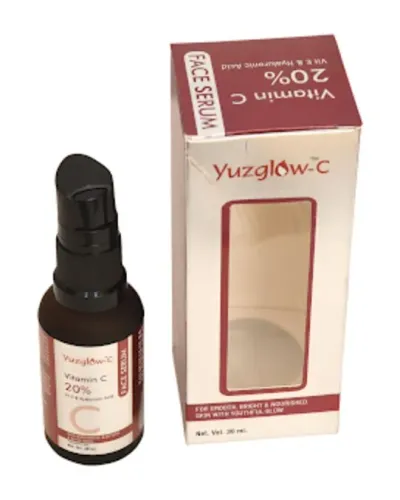
- Use vitamin C in the morning, followed by moisturiser and sunscreen. A 20% vitamin C serum is not a beginner requirement; start with a lower-strength formula if you sting easily, and stop if burning or persistent redness develops.
- Treat pigmentation at night with one targeted active, such as niacinamide or a retinoid, rather than layering multiple lightening products. Daily sunscreen matters more than adding another serum.
- Apply acne treatment to clean, dry skin as directed, then use a moisturiser with acne treatment if the formula combines treatment and hydration. If dryness appears, apply moisturiser before the treatment or reduce use to every other night.
- Support a dry or damaged barrier with a fragrance-free moisturiser. A ceramide label alone proves little; the complete vehicle and lipid system affect hydration and transepidermal water loss.
- Perform patch testing on a small area before applying a new product widely. Introduce only one change at a time, then wait long enough to observe peeling, itching, swelling, or worsening acne.
Tightness, stinging, cracking, or persistent redness means the routine is too aggressive. Stop the newest active, keep cleansing gentle, moisturise regularly, and restart only after the skin settles; seek medical advice for swelling, painful acne, or a rash that persists.
Separate hair-fibre conditioning from scalp and follicle treatment
A snapped strand points to hair-fibre damage; hairs released from the root point to hair shedding. Hair shaft conditioning with cationic polymers, silicones, or oils can reduce friction, static, tangling, and combing force, but it does not prove follicle growth or treat alopecia.
| Concern | What to evaluate | What the product can and cannot claim |
|---|---|---|
| Hair breakage | Combing-force, tensile-strength, friction, or breakage testing on treated hair tresses | Improves manageability and reduces visible breakage; does not regrow hair |
| Hair shedding | Root-directed active, dose, treatment duration, and human study measuring shed hairs or density | Requires evidence beyond a smoother, fuller-looking fibre |
| Scalp problems | Irritation, allergy, folliculitis, buildup, rinse-off exposure, and compatibility with dyes or headwear | Must suit scalp skin; a facial formula is not automatically safe for repeated scalp use |
Keep minoxidil versus cosmetic hair products separate. Minoxidil follows a drug pathway for androgenetic alopecia; a cosmetic product should stay with claims about cleansing, conditioning, appearance, or reduced breakage unless it has the required drug evidence and compliance.
Ask a formulation manufacturer for:
- The target site: fibre surface, scalp skin, or follicle
- Human data, test method, sample size, comparator, and treatment period
- Preservative, fragrance, allergen, and microbial-control details for scalp product safety
- Stability data, packaging compatibility, and instructions for leave-on use
- The intended claim wording and its regulatory basis
Yuzderm Pharmaceuticals Pvt. Ltd. should be asked these questions before you compare a hair oil or scalp formula with a conditioning product.
Related products
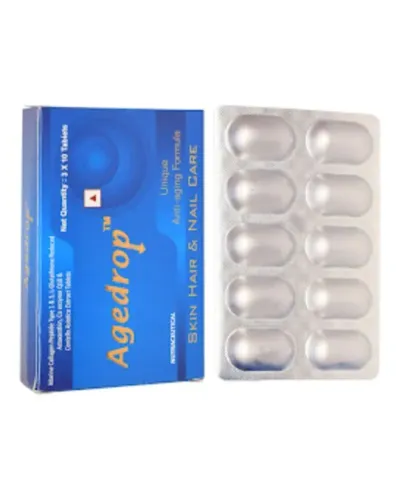
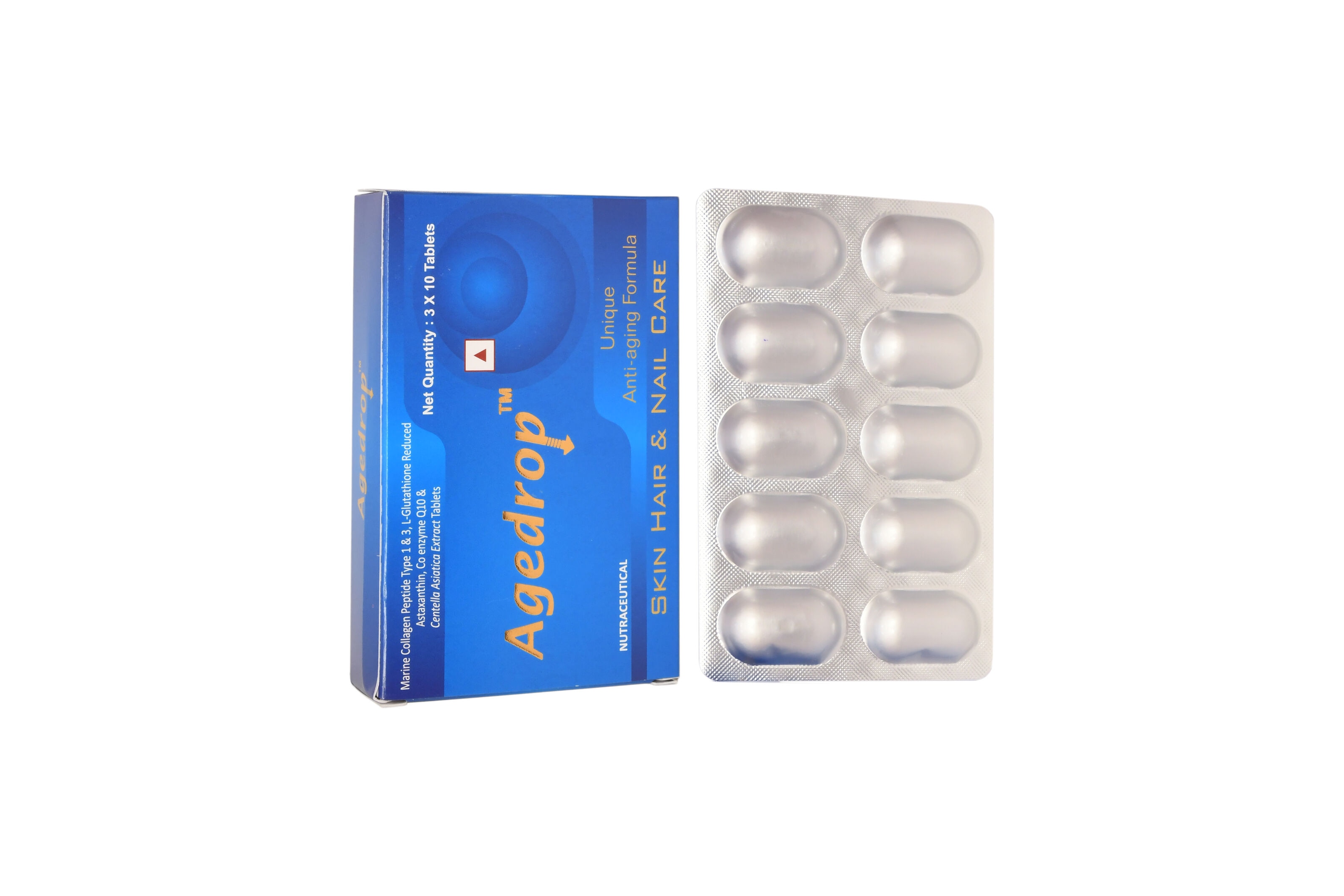 | Tablet ₹618 Marine Collagen Peptide (Type 1 & 3): These are proteins sourced from fish. View product → |
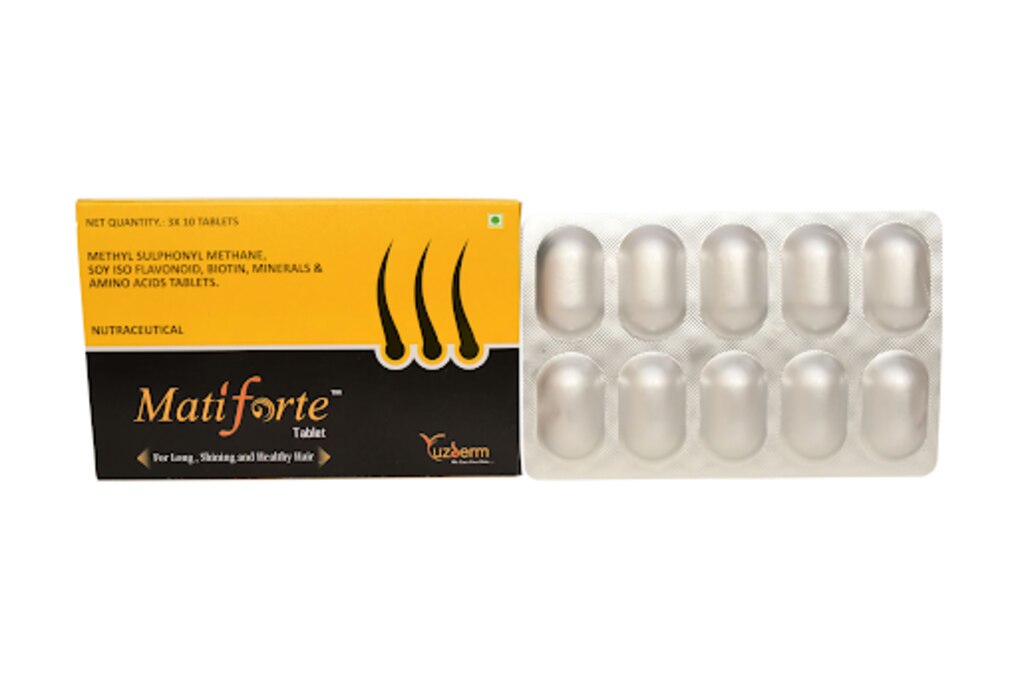
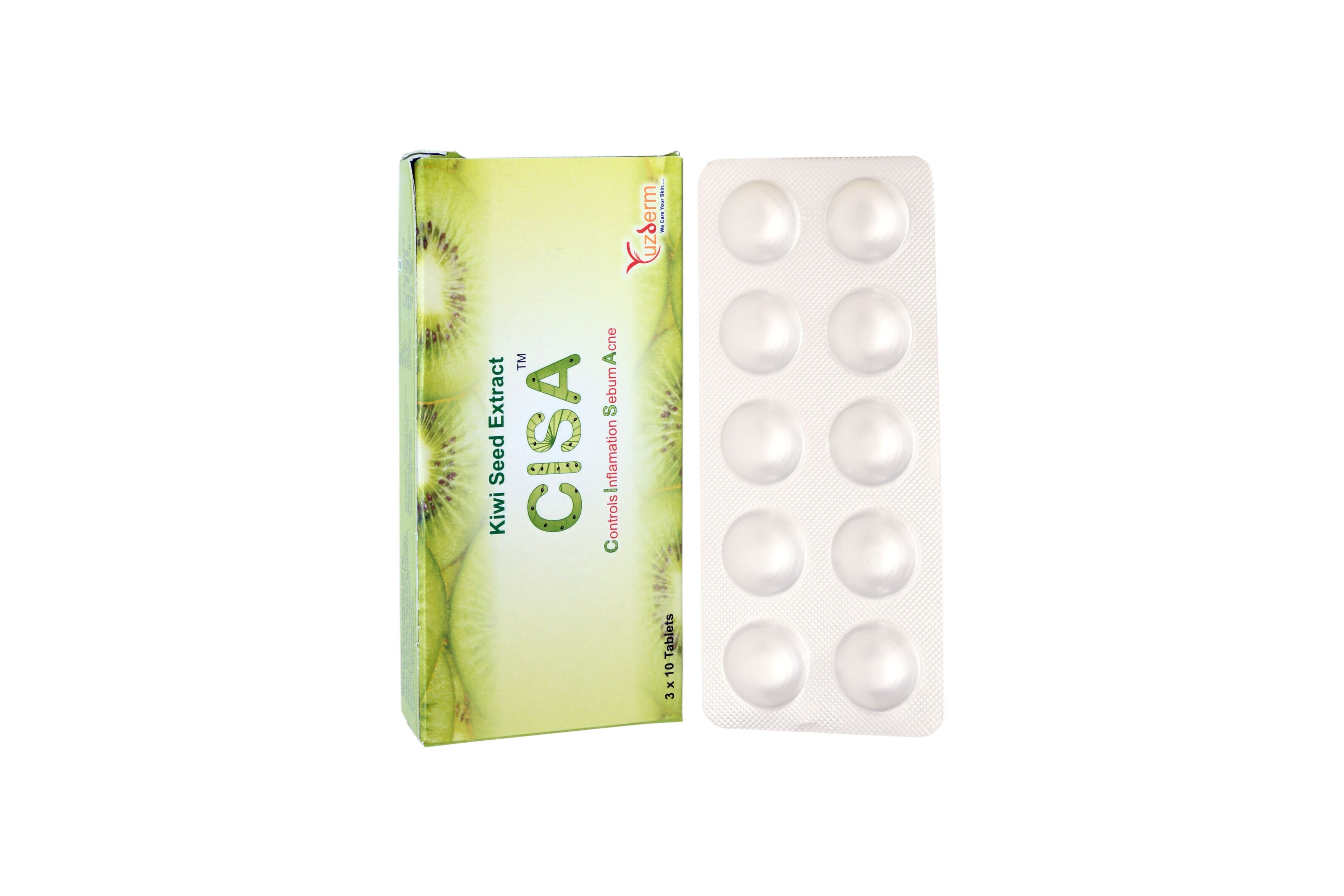 | Tablet ₹252 This is a nutraceutical supplement (oral treatment) designed to improve skin health from the inside out, specifically targeting inflammatory... View product → |
Frequently asked questions
What does “cosmeceutical” mean?
It describes a topical product positioned between beauty care and medicine, with biologically active ingredients and a promised skin or hair benefit. The term has no single legal status in the United States and does not prove approval or effectiveness.
How should you choose a cosmeceutical for a skin or hair concern?
Match the ingredient and product form to the concern and route of use. A product for the hair fibre is not automatically suitable for the scalp, follicles, or skin.
What should you check before buying a cosmeceutical?
Read the active ingredients, directions, packaging, evidence, batch details, and storage information. Do not treat the cosmeceutical label alone as proof of safety or clinical benefit.
How do hair-fibre products differ from scalp and follicle treatments?
Hair-fibre products condition the existing shaft, while scalp and follicle treatments target the skin or structures that support hair growth. Choose according to where the concern occurs.
Related products
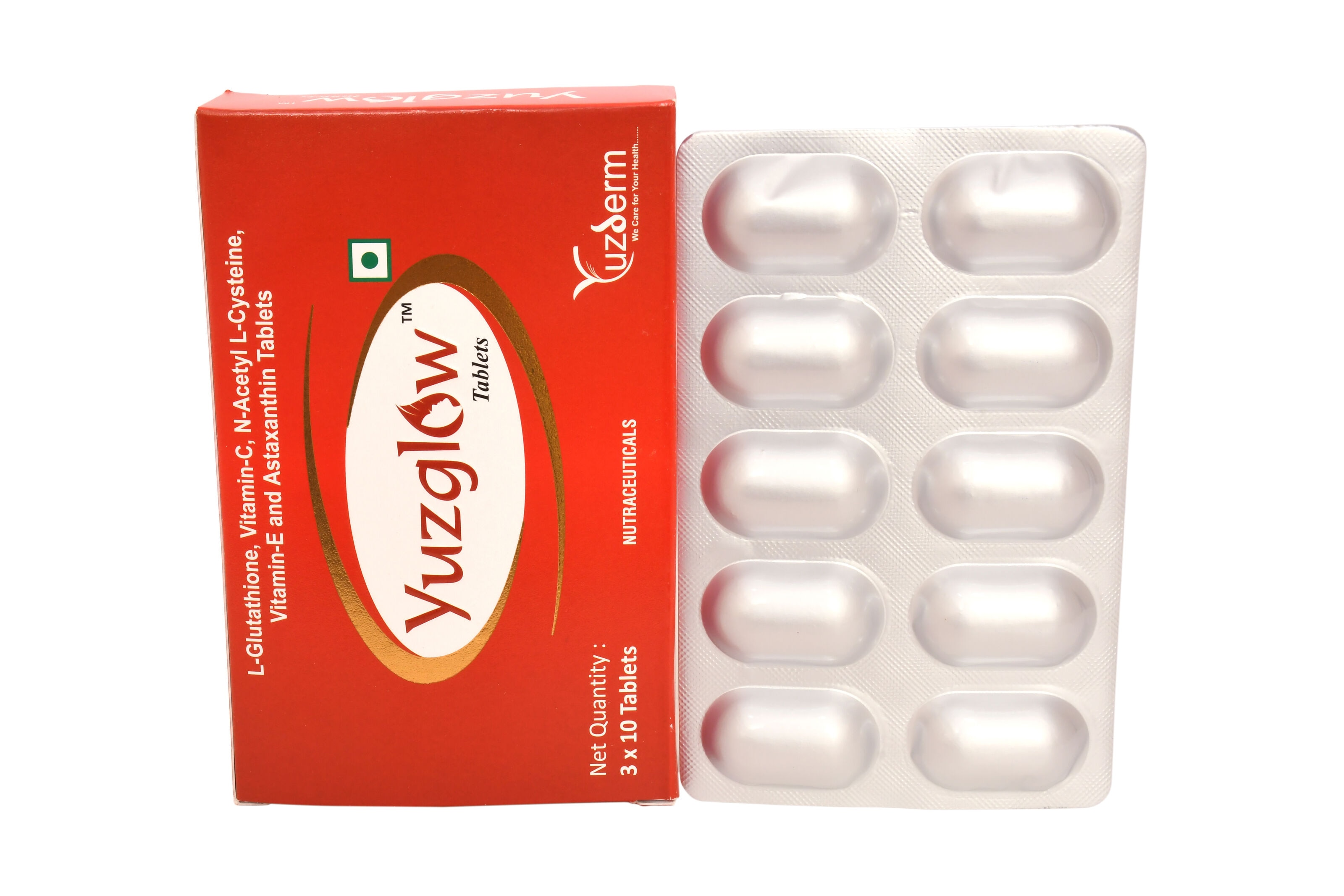 | Tablet ₹823 The box lists five primary active ingredients. These are often used together to boost the body's natural antioxidant levels: L-Glutathione: Often... View product → |
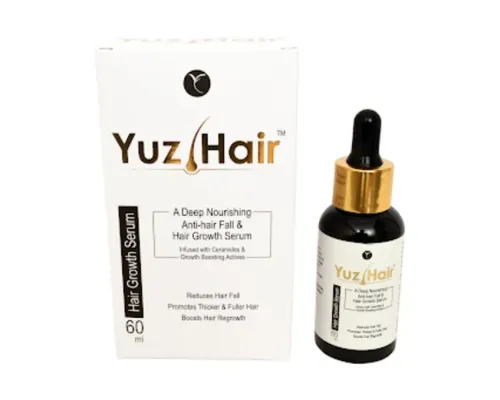
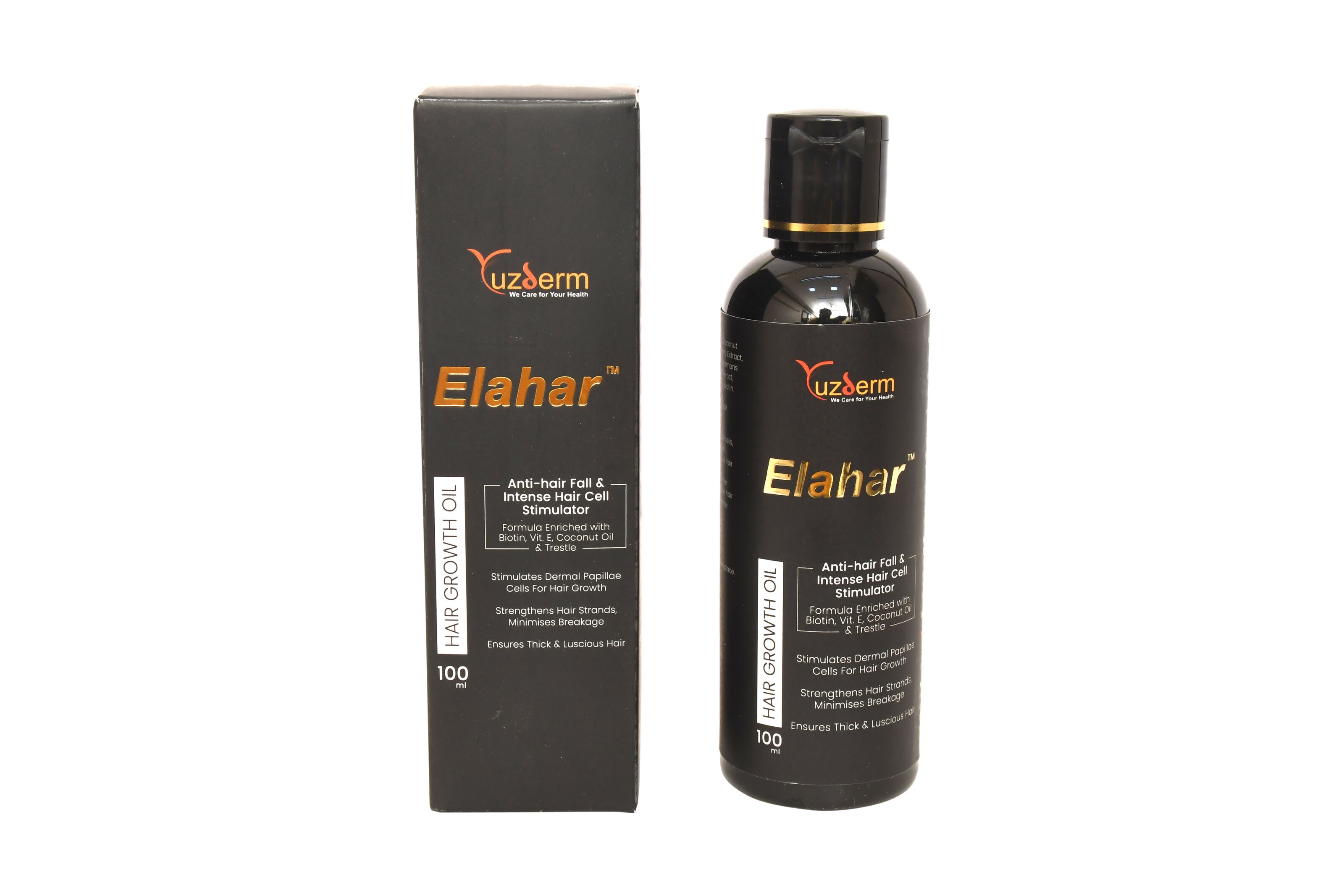 | Hair Oil ₹328 1. Stimulates Dermal Papilla Cells What it means: Dermal papilla cells are located at the base of hair follicles and control hair growth. View product → |
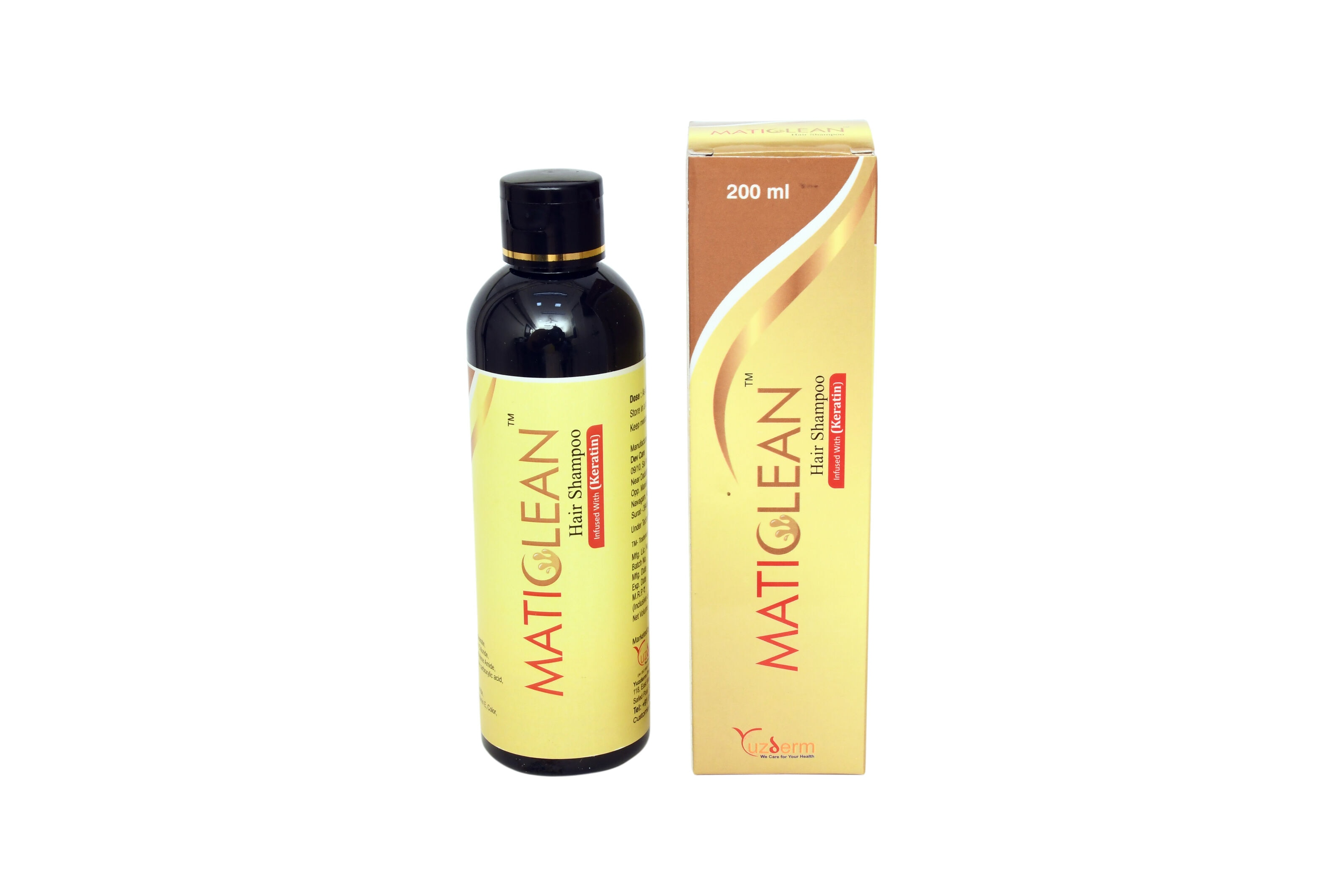 | Hair Care ₹329 Maticlean is a specialized hair care product marketed under the Yuzderm brand. View product → |
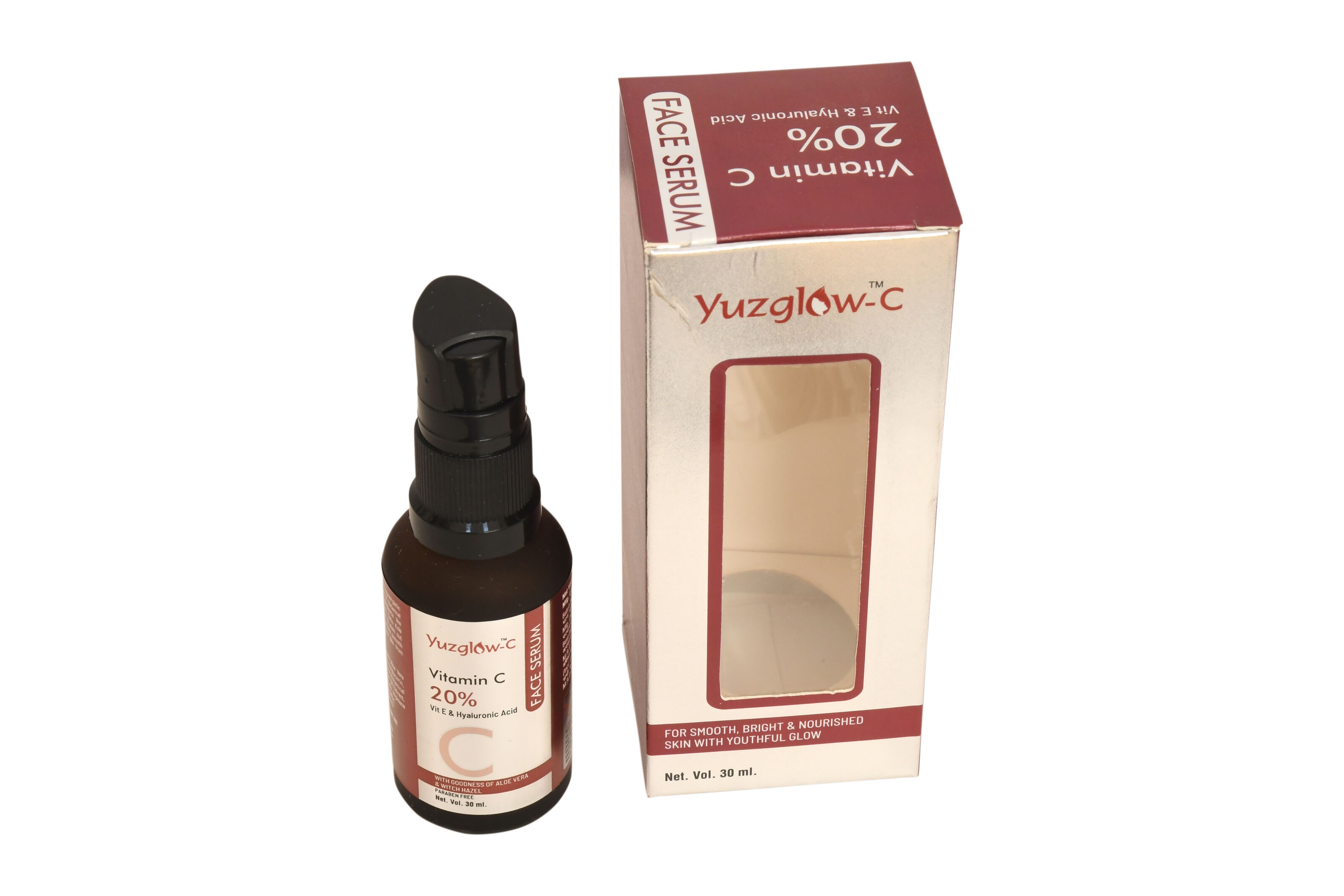 | Skin Care ₹1330 Vitamin C (20%): A high concentration used for brightening the complexion, reducing hyperpigmentation, and stimulating collagen production. View product → |